Hook More Fish Now: How Effective Fishing Techniques Turn Frustration into Action — A Practical Playbook You Can Use This Weekend
Attention: Du want more bites and fewer blank days on the water. Interest: Imagine finding fish faster, presenting lures that trigger strikes, and landing more keeper fish without guessing. Desire: That’s exactly what Effective Fishing Techniques deliver — a blend of method, gear, and reading the environment. Action: Read on, try the drills, and log what works so the next trip becomes the one Du brag about at the dock.
Effective Fishing Techniques for ISSU Wildfish Readers
Effective Fishing Techniques are less about magic and more about systems: preparation, presentation, and pattern recognition. If Du bring structure to your fishing — a simple routine you repeat and refine — your catch rate will improve significantly. Below are practical principles that apply to shore anglers, kayak fishers and boat captains alike.
If Du wonder how bottom-oriented species fit into the “Effective Fishing Techniques” toolbox, don’t overlook focused approaches that work near the substrate. Studying Bottom Fishing Techniques can add a reliable option when fish aren’t active higher in the column; targeted bottom methods pair well with slow presentations and heavier jigs, especially when the thermocline or cover concentrates baitfish. Incorporate a bottom-focus into your routine and Du will cover scenarios that many anglers miss.
Want to sharpen your casting so Du hit tight pockets more often? Regular practice with structured drills is a game-changer. Try the exercises in Casting Accuracy Drills to develop pinpoint placement under pressure; these drills are practical, quick to run between catches, and help Du consistently land lures exactly where fish are hiding. The drills also build muscle memory so casts stay steady even when the wind picks up.
Drift fishing is one of those techniques that looks simple but is all about nuance: angle, speed, and bait presentation. If Du haven’t dialed in drift tactics, check solid strategies like those in Drift Fishing Strategies to understand how to use wind and current as allies. Drift setups let Du present baits naturally across seams and troughs, and they’re especially effective where bottom and current interact to concentrate prey.
For ongoing tips, gear recommendations, and community insight that reinforce Effective Fishing Techniques, make the ISSU Wildfish site a regular stop. The main hub at issu-wildfish.org gathers seasonal updates, how-to guides, and user-contributed reports so Du can compare notes with other anglers and refine your approach efficiently. Bookmark it and check before each trip for recent posts and quick reminders.
When the bite calls for natural presentations, dead-on rigging can turn an indifferent day into a productive one. If Du plan to use live bait, learning proper setup is crucial — fouled rigs or poor hook presentation cost bites. Use guides like Live Bait Rigging Tips to master hook selection, leader sizing and bait placement so live offerings look irresistible and swim naturally in both current and slack water.
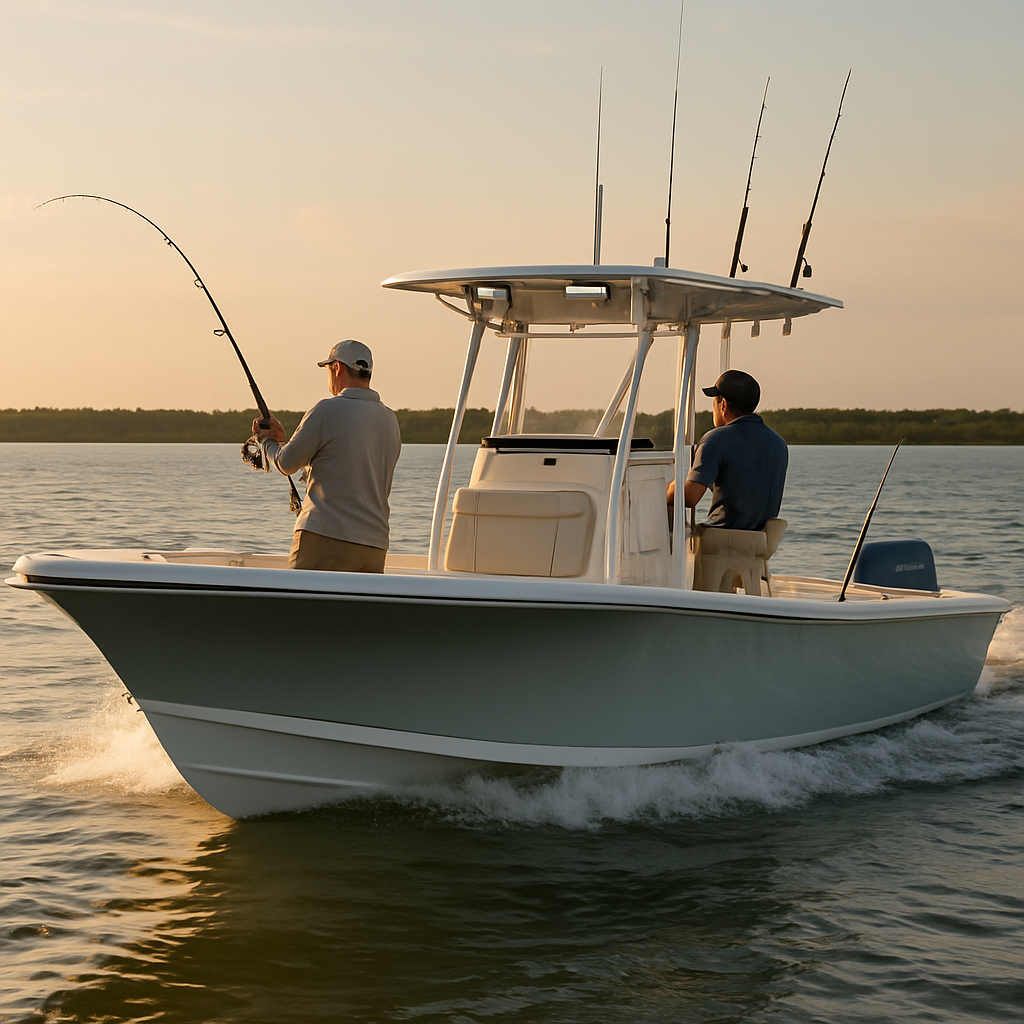
Trolling from a boat is about more than running lures and hoping for the best; it’s a technical discipline that rewards careful speed control, depth management and lure selection. For step-by-step approaches to boat-based presentations, the Trolling Techniques for Boats reference breaks down how to set lines, use downriggers or planer boards, and match speed to lure action so trolling becomes a reliable search-and-catch system within your Effective Fishing Techniques playbook.
Build a Repeatable Routine
Start every trip the same way: check weather and tides, pack a small kit of go-to lures, tune electronics, and pick two priority presentations to focus on (for example, casting and jigging). When Du repeat the routine, Du gather consistent data and start seeing patterns instead of coincidences.
Focus on Three Core Goals
- Find fish — use sounders, bird activity, and structure recognition.
- Match the presentation — size, color, vibration, and depth.
- Execute the retrieve — speed, pauses, and angle of approach.
These pillars form the backbone of Effective Fishing Techniques: locate, present correctly, and finish the job by landing fish with appropriate tackle and handling.
Seasonal and Water-Condition Techniques for Saltwater and Freshwater Fishing
Fish follow food and suitable temperatures. Each season and water condition changes where fish hold and how they feed. If Du adapt your approach to these cycles, Du will be fishing smarter, not harder.
Spring: Push Toward the Shallows
As water warms, bait moves toward shallows and structure. Use this to your advantage by targeting transition zones where cold and warm water meet.
- Freshwater: focus on points, spawning flats, and creek mouths; use suspending jerkbaits and shallow crankbaits.
- Saltwater: chase bait into estuaries, tidal creeks, and weed flats; soft plastics and popping cork rigs work well.
- Tip: early morning topwater action can be electric—don’t miss dawn.
Summer: Think Thermoclines and Time-of-Day
Warm water pushes fish deeper during the heat of day. Fish mornings, evenings and nights on flats, and use deeper presentations midday.
- Dial into thermoclines with down-imaging or side-scan and present jigs or deep-diving crankbaits at the thermocline edge.
- In clear summer water, use finesse with natural hues; in stained water, upsize and increase contrast.
Fall: Feed-up Season — Be Aggressive
Fish bulk for winter and will often eat aggressively. This is the time to throw larger profiles, run parallel to bait lanes and exploit mid-depth ambush points.
- Work ledges, gulley edges and bait concentrations with swimbaits, spoons and jerkbaits.
- Use trolling to find schools, then switch quickly to casting for precise hookups.
Winter: Slow and Subtle Wins
Cold fish conserve energy — slow down presentations and favor precise, vertical offerings.
- Use slow-pitch jigs, small suspending jerkbaits and live bait on light lines.
- Search deep structure and fish midday when the sun warms shallower banks slightly.
Adjusting for Water Clarity
Water clarity changes everything. In clear water, subtlety rules. In stained or muddy water, contrast, noise and vibration become your best allies.
- Clear water: small profiles, realistic paint schemes, light line and natural retrieves.
- Stained water: brighter colors, chrome finishes, rattling lures, and slower but chunkier presentations.
- Muddy water: upsize the profile, use strong vibration (blades, big spoons), and slow the presentation to give fish time to locate the bait.
Trolling, Casting, and Jigging: Core Techniques to Master
Mastering three core techniques—trolling, casting, and jigging—gives Du the flexibility to work any situation. Learn when each technique shines and practice small, repeatable variations until Du can feel what works instinctively.
Trolling: Cover Water Efficiently
Trolling is great for locating fish and working large areas. It’s not just for offshore anglers—smart trolling can find schools in lakes and bays quickly.
Essentials for Effective Trolling
- Vary speed methodically. Many fish have a narrow speed preference; change .5–1.0 knot increments until Du find it.
- Control depth with divers, downriggers or line weight. If fish are shallow, bring lures up with planer boards.
- Mark and repeat: when Du get a strike, note GPS, water temp and lure choice; make multiple passes.
Casting: Precision and Presentation
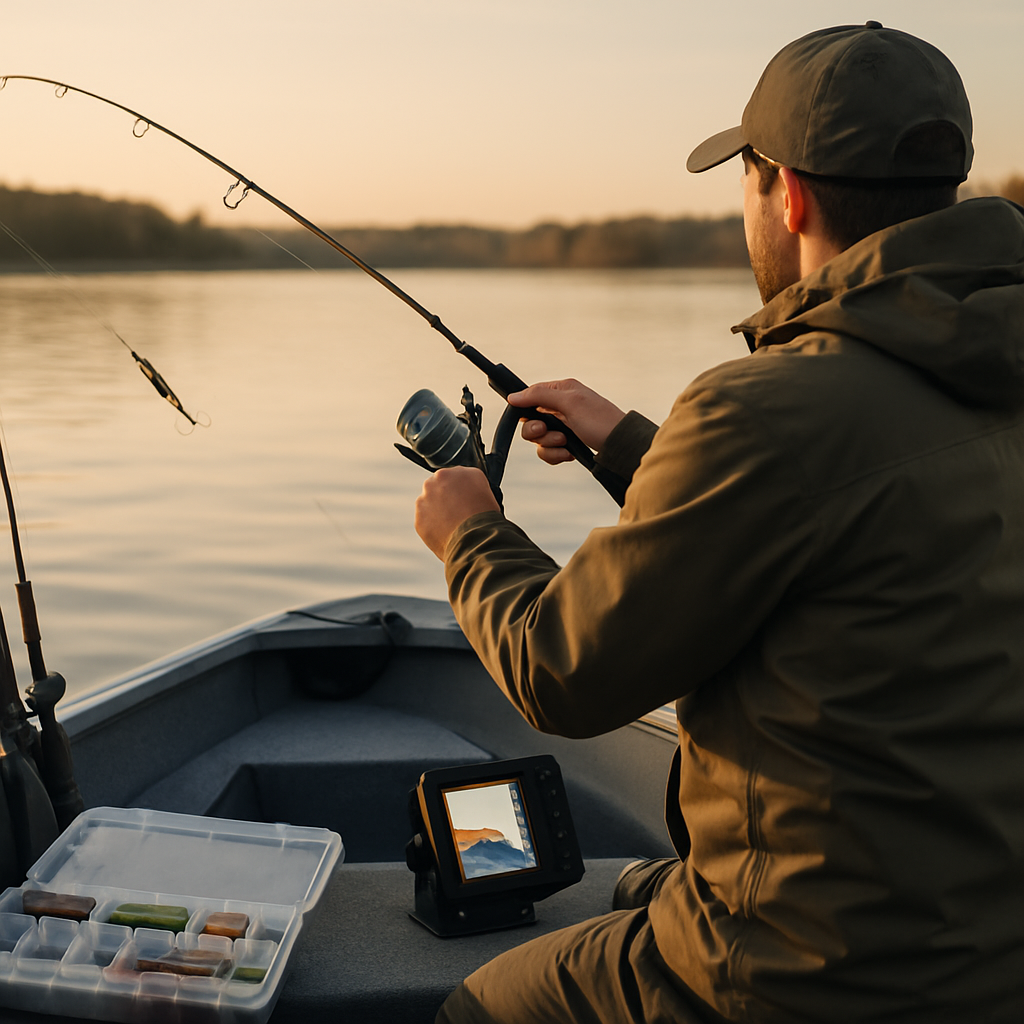
Casting is your best bet around cover and structure. It gives Du control of placement and retrieve cadence, which matters when fish are finicky.
Make Your Casts Count
- Place the lure at a 45-degree angle into pockets, edges, and laydowns to imitate natural prey movement.
- Experiment with retrieves: slow-rolling, twitch-pause, and burn-stop can each trigger different responses in the same population.
- Use weedless rigs when flipping heavy cover; avoid spooking fish with unnecessary boat movement.
Jigging: Depth Control and Reaction Strikes
Jigging is the go-to for depth-specific fish and suspended schools. It excels when fish are keyed to a narrow layer in the water column.
Jigging Tips That Catch Fish
- Feel the fall. Many strikes happen on the fall of the jig—use light tension to detect subtle bites.
- Mix action: lift fast, drop slow or vice versa; different cadences produce different reactions.
- Use sharp single hooks or assist hooks on metal jigs for quick release and better hookups on big fish.
Lure, Bait, and Retrieval Techniques to Maximize Bites
Choosing the right lure and nailing the retrieve beat sales pitches and snap judgments. It’s about matching forage, water, and fish mood.
Picking the Right Lure
Ask: what does the local forage look like? Is it schooling, or are fish feeding on solitary prey? Match length, profile and action.
- Smaller profiles in clear or pressured fisheries; larger profiles when visibility is low or predators are feeding heavily.
- Use flashy, high-contrast finishes for open-water feeders; natural finishes for pressured or sight-feeding fish.
- Live bait wins when fish are lethargic or picky—don’t be too proud to use a shiner or live shrimp when the bite is tough.
Retrieval Patterns That Work
How Du retrieve a lure tells a fish whether it’s dinner. Small tweaks can produce big results.
- Steady retrieves emulate cruising baitfish and are great for spoons and many crankbaits.
- Stop-and-go adds vulnerability—very effective with jerkbaits and swimbaits.
- Twitch-retrieve gives life to soft plastics and suspending baits; pair with light leaders in clear water.
- Fast-then-slow bursts (burn-and-stop) trigger reaction strikes from active predators chasing fast prey.
Boat Setup Techniques: Equipment and Tactics for ISSU Wildfish
On the water, an organized boat is a productive boat. Gear placement, electronics, and quiet approaches all influence how many fish Du catch.
Electronics That Matter
Your fishfinder and GPS are your eyes. Spend time learning to read them and Du will save time locating productive water.
- CHIRP sonar for detailed arches and bait signatures; down imaging for structure directly under the boat; side imaging for locating edges and isolated cover.
- Use GPS to create waypoint clusters, run parallel transects, and return to hot spots with confidence.
- Integrate temperature sensors — even a degree or two can help predict where fish will hold.
Practical Layout and Rod Management
Minimize downtime by organizing rods and tackle by presentation. A quick swap saves precious minutes when fish are active.
- Keep rods rigged and labeled for common scenarios: topwater, jigging, deep-crank, and live-bait setup.
- Use a dedicated box for terminal tackle with quick-access compartments for hooks, weights, and leaders.
- Trolling motor foot pedal and quick-release anchors help with precise positioning on flats and structure.
Stealth and Noise Reduction
Noisy hulls and motors spook fish in shallow clear water. Learn quiet approaches: cut the gas engine early and engage the trolling motor for final positioning. Reduce movement and keep lines quiet when casting to sighted fish.
Reading Water, Weather, and Fish Behavior: Practical Techniques
Effective Fishing Techniques rely heavily on reading the environment. Notice small cues—birds diving, bait moving, or a subtle color change on sonar—and act on them.
Interpreting Structure and Cover
Fish congregate where environments change. Edges, drop-offs, humps, and weedlines concentrate bait and predators. When Du find one, make methodical passes targeting different depths and angles.
Sonar Signals That Mean Action
Learn the difference between a bait ball and structure arches. Bait tends to show as fuzzy clouds; fish may show as thicker arches with distinct shapes. Mark both and experiment with vertical and horizontal presentations to see which the fish prefer that day.
Weather, Wind, and Tides
These forces change fish behavior quickly. A fresh breeze can push bait into edges and create feeding lanes. Falling barometric pressure often spikes activity, while prolonged high pressure can make fish lethargic.
- In saltwater, target flood and ebb peaks; many predators time feeding around tidal pushes.
- Wind pushes surface water and bait, making windblown shores and points prime locations.
Actionable Checklist and Quick Strategies
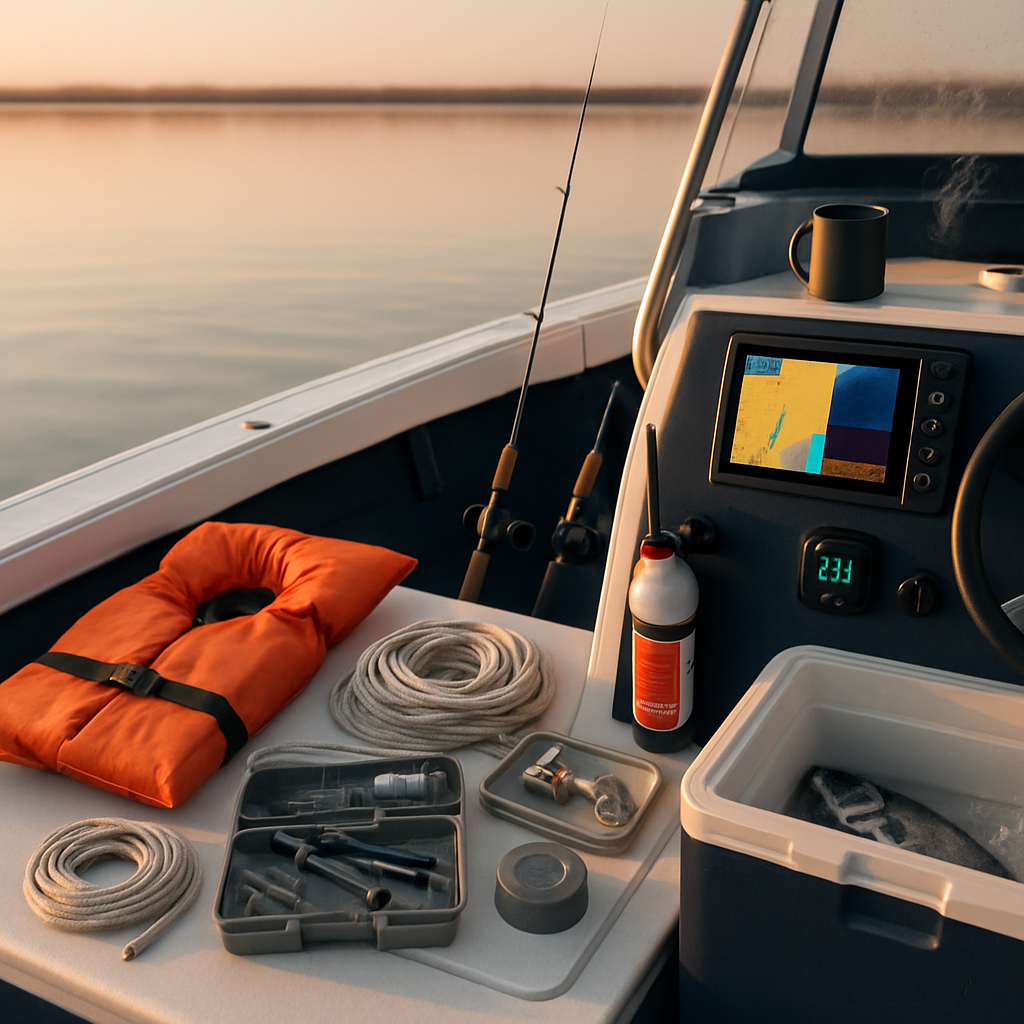
- Pre-trip: check electronics, pack a three-lure combo (topwater, medium-diving, jig), test livewell, and bring spare line and leaders.
- First 30 minutes: run transects and mark any bait or structure contacts; don’t obsess—cover water to gather data quickly.
- When Du find fish: make multiple passes and change only one variable at a time—speed, depth or color—to identify what triggers bites.
- If fish go silent: shorten your leader, change lure contrast, or switch to live bait for a reset.
- Log successes: GPS point, lure, retrieve, water temp and light—repeatable patterns are your secret weapon.
Common Mistakes and How to Avoid Them
Even experienced anglers slip into bad habits. Watch out for these common errors and correct them quickly.
- Overstaying a spot: If thoughtful, varied presentations don’t produce bites after a short period, move on — fish are mobile.
- Wrong tackle choice: Use lighter gear for finesse situations and beefier setups for structure and big fish. Don’t force a light rod into a heavy-cover fight.
- Ignoring environment cues: Change lures and retrieves based on water clarity, temperature and wind—not on habit.
- Poor boat positioning: Spooking fish by noisy approaches or anchoring on top of them will ruin a bite window. Use stealth and position downwind when stalking flats.
FAQ — Frequently Asked Questions about Effective Fishing Techniques
What are the most effective fishing techniques for beginners?
Start simple: casting with a medium spinning rod, using soft plastics and a couple of topwater lures, and learning basic jigging are the fastest routes to consistent success. Focus on learning how to read structure and practice one casting retrieve until it becomes second nature. Keep a small log: time of day, lure, and results. Over time, those tiny notes build into reliable patterns Du can trust.
How do I choose the right lure for the conditions?
Match size and color to local forage and water clarity. In clear water, use smaller, natural-colored lures and lighter line. In stained water, upsize profile and choose high-contrast colors or metallic finishes. Consider action: tight wobble for lethargic fish, erratic action for aggressive fish. When in doubt, start with a medium-profile lure and vary one factor at a time until Du find what triggers strikes.
When should I use live bait instead of artificials?
Live bait often wins when fish are picky, lethargic, or pressured. Use live bait during slow periods, early spring spawn, or when sight cues (birds, surface boils) show feeding but artificials fail. Proper rigging and presentation matter—check Live Bait Rigging Tips to make sure bait swims naturally and looks irresistible to predators.
How can I improve my casting accuracy?
Practice short, focused drills that mimic on-water scenarios—place lures into small targets at different distances and angles. Work on a smooth rod load and controlled release. The drills in Casting Accuracy Drills help build muscle memory quickly: start slow, aim for consistency, and gradually add wind or simulated pressure to mimic real trips.
How do I read sonar to find fish effectively?
Learn to distinguish arches for individuals from cloud-like returns for bait. Use down-imaging for structure beneath the boat and side-imaging for edges and isolated cover. Mark contacts and experiment: when Du see a bait cloud, try vertical presentations; when Du see arches near structure, cast or jig around edges. Over time, correlating sonar marks with actual catches will sharpen your interpretation skills.
What boat setup gives the best advantage for inshore and offshore fishing?
Keep rods organized by presentation, invest in a quality CHIRP sonar and GPS, and use a trolling motor for stealthy approaches. For trolling, add planer boards or downriggers as needed. Ensure a reliable livewell and quick-access terminal tackle. Small layout details—rod racks, labeled boxes, and a quiet approach—translate into more time fishing and fewer lost opportunities.
How does weather affect the bite and what should I watch for?
Barometric pressure, wind direction and cloud cover can all change fish behavior. Falling pressure often increases activity, while prolonged high pressure can make fish sluggish. Wind creates structure—fish the windward edges and seams. In tidal waters, time presentations around flood and ebb peaks for maximum success. Learn to plan trips around these cues and adjust retrieves to match mood and movement.
Which technique should I use to target suspended fish?
Vertical jigging and small suspending baits are your best bets. Use sonar to pinpoint the depth and present a jig or suspending lure at that precise level. Work slight lifts and let the lure fall naturally—many bites occur on the drop. If fish are scattered, cover water with a slow troll then stop and vertical-jig promising marks.
How do I stop spooking fish in shallow, clear water?
Approach quietly: cut the gas motor early and use the trolling motor for final positioning. Reduce movement and avoid leaning over the bow or creating unnecessary shadows. Keep casts smooth and minimize splashes; when sight-fishing, present lures beyond the fish and retrieve toward them rather than spooking from above. Stealth equals more hookups in pressured, clear-water fisheries.
Conclusion
Effective Fishing Techniques are a practical package: preparation, adaptable presentations, and environmental reading. Take the time to practice trolling, casting and jigging in a variety of conditions. Tune your boat, organize your tackle, and learn to read your electronics. Most importantly, log what works and keep experimenting — success on the water favors the curious and persistent. Tight lines — and remember, the best technique is the one Du can execute consistently under pressure. Now get out there, try one new tweak each trip, and watch your results improve.