Want More Hits on Every Cast? How Casting Accuracy Drills from ISSU Wildfish Turn Your Aim into Fish-Catching Precision
Casting Accuracy Drills: An ISSU Wildfish Method for Precision Casting
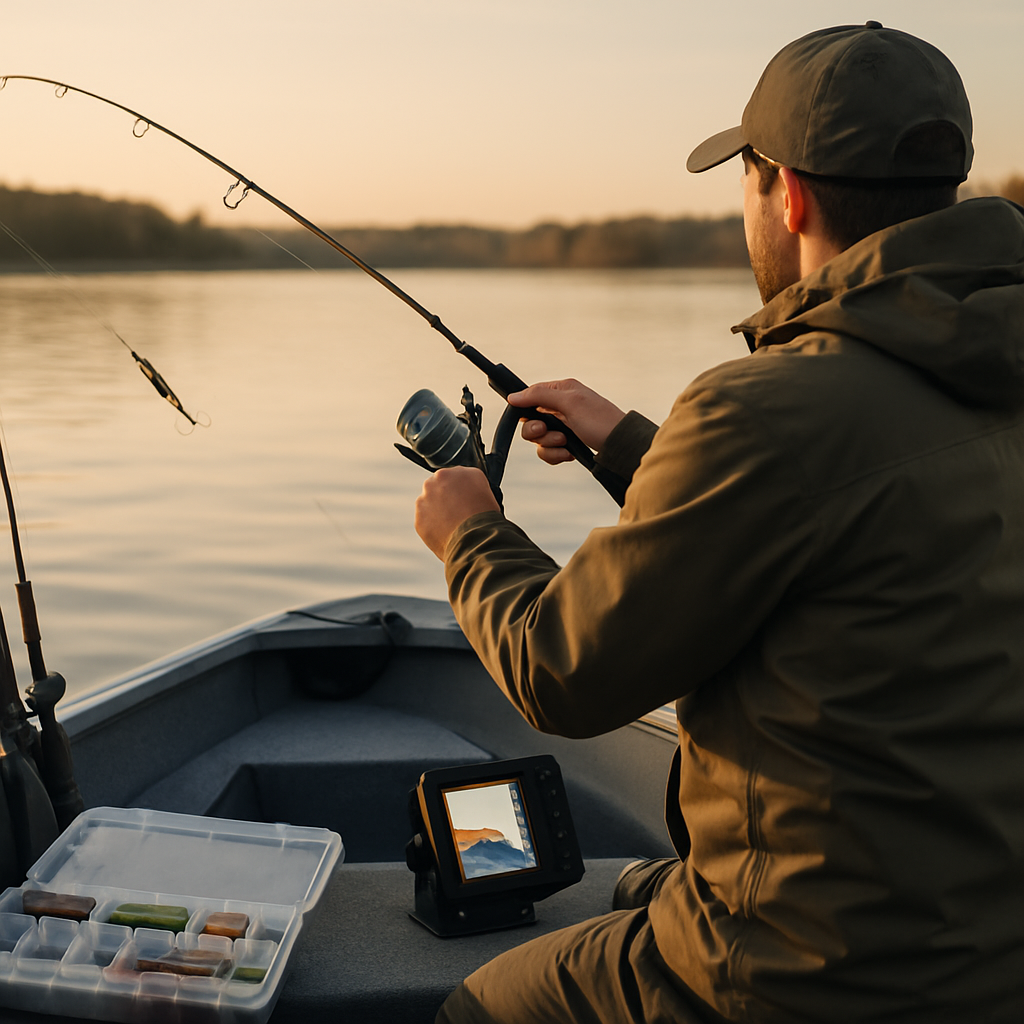
If Du are tired of watching lures splash inches from the sweet spot, it’s time to get deliberate. Casting Accuracy Drills are not some magic trick — they’re a mix of repetition, feedback, and small technical tweaks that build muscle memory. At ISSU Wildfish we focus on drills that are short, measurable, and transferable to real fishing situations. Du’ll practice the same motion until the body remembers the release timing, line angle, and power needed to put the lure where it belongs.
As Du practice, don’t forget to broaden your toolkit: reviewing ISSU Wildfish’s Bottom Fishing Techniques can sharpen your sense of bait presentation and lead to smarter shallow-to-deep transitions that affect where you aim. Likewise, exploring our collection on Effective Fishing Techniques helps Du choose the right cast for each situation, and studying Live Bait Rigging Tips improves hookups when Du switch to bait — all complement accuracy training and help Du make smarter decisions on the water.
Why do these drills work? Because accuracy is mostly a skill of timing and consistency, not raw power. Think of it like free-throw practice but with wind, water, and the odd gull stealing your snack. Get the release consistent at short range, and distance becomes a simple scaling problem. The ISSU Wildfish method breaks practice down into core drills — bullseye, progressive distance, crosswind control, moving targets, and blind-feel reps — each designed to isolate a single variable so mistakes are easier to fix and progress is measurable.
Principles Behind the Drills
- Short, focused sessions (20–40 minutes) beat marathon practice. Form degrades when Du tire.
- Progressive difficulty: start close, then increase distance or environmental challenge.
- Consistent setup: use one “practice rod” and a marked stance so improvements are meaningful.
- Immediate feedback: visible targets and a simple scoring system help Du track progress.
Core Casting Drills to Practice Daily
Bullseye Drill
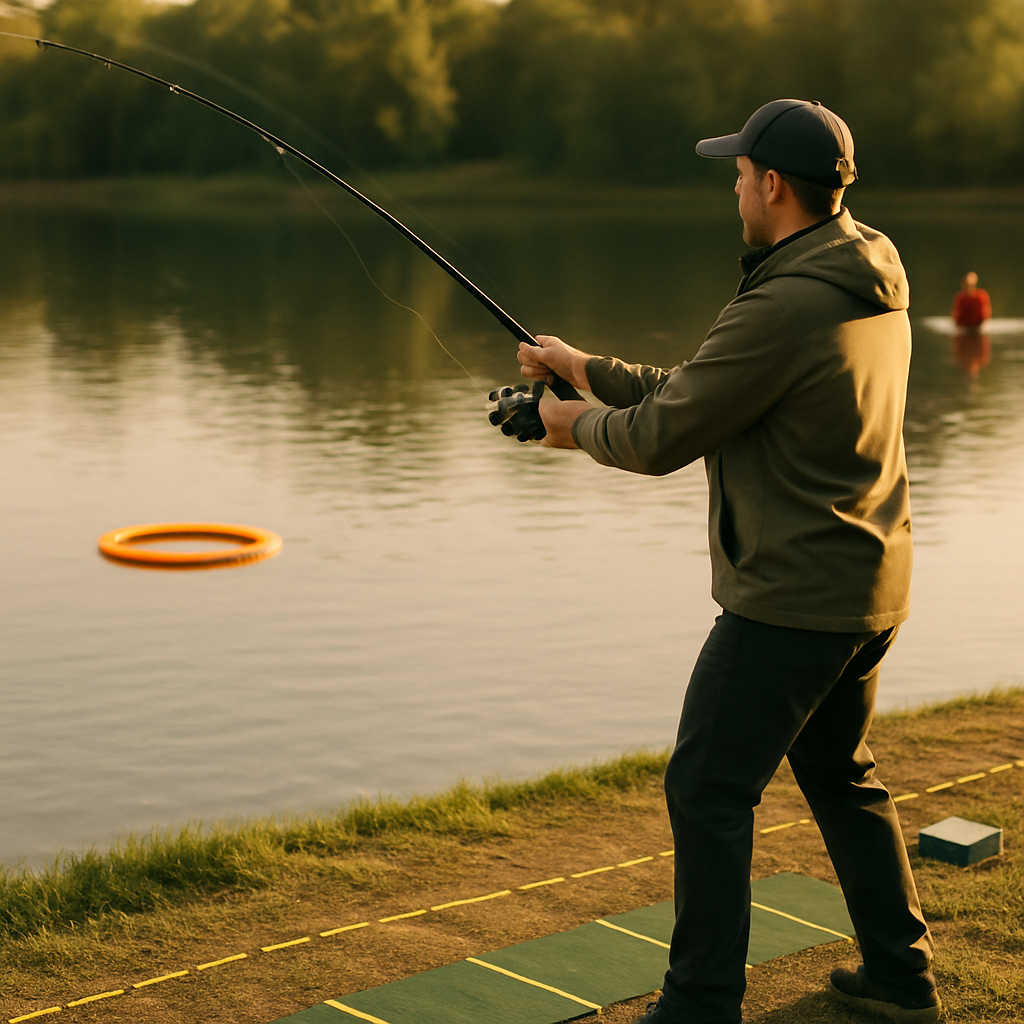
Place a hoop or mat as your target at 10–15 ft. Make 30 casts, counting hits inside the circle. Aim for an 80% hit rate after two weeks. This drill forces Du to tune release timing and line control without worrying about distance.
Progressive Distance Drill
Start at 10 ft and add 10 ft increments after every successful 7/10 hits. This builds the same mechanics out to the range Du need, so Du don’t suddenly stray when trying to reach a far-off bait school.
Crosswind Control
Place targets to windward and leeward and make repeated casts. Practice adjusting angle and power to compensate. The key here is learning to anticipate wind drift rather than react to it.
Moving Target Drill
Have someone tow a buoy or walk with a target laterally. Cast ahead of its path to practice leading the target — essential for surface plugs and moving schools.
Blind-Felt Reps
Close your eyes during release (or partially obscure the target) and rely on feel for timing. It’s a bit strange at first, but it builds the proprioception that separates good casters from great ones.
Equipment Setup for Casting Drills: Gear Recommendations from ISSU Wildfish
Consistency matters. If Du practice with wildly different setups every time, improvements won’t stick. Choose a single rod-and-reel combo as your practice standard — one that closely matches what Du fish with most often.
Rod and Reel
Go for a 6’6″–7’0″ medium-fast to fast action rod for all-around practice. That sweet spot gives enough backbone for longer casts but retains feel for precise releases. Pair it with a smooth-spooling spinning reel in the 2500–4000 range depending on line class. The reel should have a responsive drag and a clean spool tension knob for fine adjustments.
Line and Leader
Use the same line Du fish with: braid for sensitivity and low stretch, or monofilament if that’s your usual. A 10–20 lb braid with a matching fluorocarbon leader is a reliable all-purpose setup. Why? Low stretch means consistent feedback on release timing — essential when Du are dialing accuracy.
Lures, Weights and Targets
Practice with the actual lures and weights Du use on the water. If Du mostly cast 1/2 oz jigs, don’t train with 2 oz bombs and expect the same timing. For targets, use bright cones, hoops, colored mats, or floating buoys. Make them easy to see; immediate visual feedback is everything.
Practical Setup Tips
- Mark your stance with tape or a mat so foot placement is identical between reps.
- Set distance markers at 10 ft increments for quick adjustments.
- Turn off assistive gadgets during practice sessions — train the real muscle memory.
- Label a rod with a tiny bit of colored tape at the index finger spot to remind Du of grip position during release.
Step-by-Step Warm-Up and Progression for Casting Accuracy Drills
Start smart. A quick, focused warm-up primes shoulders, wrists, and brain for accurate repetition. Skip it and Du’ll either groan later or train bad habits into your body.
5–8 Minute Warm-Up
- Shoulder mobility: arm circles and cross-body stretches for 60 seconds.
- Wrist mobility: slow wrist rolls and gentle resistance with a light band for 45 seconds.
- Shadow casting: 15–20 empty-rod reps, slow and clean, concentrating on a smooth backswing and a full follow-through.
- Short snaps: 8–10 soft casts at 8–10 ft with a light plug — feel the release without committing full power.
Session Progression (20–40 Minutes)
Follow this template for efficient improvement:
- Warm-up (5–8 min)
- Bullseye at short range (10–15 ft): 20–30 casts focusing on release timing
- Progressive Distance: 10 casts at each increment, only advancing when a threshold is met
- Environmental Drill: crosswind or moving target for 10–20 timed reps
- Cool-down: 5 relaxed casts and shoulder stretches
Set a Single Objective Each Session
Pick one measurable goal: “80% hits on 2-ft hoop at 20 ft,” or “7/10 successful crosses in crosswind.” Keep it simple. Log results — seeing progress beats guessing every time.
Common Faults and Fixes During Casting Drills: Insights from ISSU Wildfish
Mistakes happen. The difference between anglers who improve and those who plateau is whether faults are recognized quickly and fixed deliberately. Here are the common errors and targeted drills to fix them.
Late Release — Overshooting and Long Casts
Symptoms: Lure sails past the target or you get tailing loops. The fix in theory is simple: release earlier. In practice, timing is everything.
- Drill: Half-power casts with an intentional earlier release point. Mark the grip spot and rehearse the stop-and-release motion.
- Tip: Slow forward acceleration slightly; think “smooth stop” rather than “snap harder.”
Early Release — Short Pitches
Symptoms: Lures land short and lobbed. Often this comes from fear of tangles or trying to be “safe.”
- Drill: Progressive distance practice with focus on longer forward acceleration. Feel the rod load and let it unload toward the target.
- Tip: Ensure elbow and forearm extend forward before snapping the wrist — don’t jerk the rod back on release.
Left/Right Variance — Inconsistent Grouping
Symptoms: Tight group shifts left or right consistently.
- Stance fix: Align toes and shoulders with the target; small foot adjustments correct lateral errors more than changing the cast.
- Wrist fix: Keep a neutral wrist. Excessive flicking adds unwanted side spin.
- Drill: Aim at a vertical pole to force a single plane of motion and correct lateral deviation.
Tailwalking or Line Twist
Symptoms: Lure spins, knots form, casting distance drops.
- Check rigging: Ensure hooks and split rings aren’t binding or causing the lure to spin.
- Line maintenance: If twists persist, respool and add a swivel where appropriate. Keep line fresh.
Overgripping and Tensioned Wrist
Symptoms: Jerky releases and early fatigue.
- Fix: Relax the grip; hold the handle firmly but not tight. Shadow-cast with a loose grip to train the hand.
- Tip: Shorter sessions with focused reps beat long sessions with sloppy form.
Drill Variations for Different Waters: Saltwater vs Freshwater Casting Accuracy
Water types demand different priorities. A small pond and an inshore reef are different animals — in target, gear, and conditions. Below are practical drill adaptations so casting accuracy pays off whether Du stalk bass among lilies or fire plugs toward a breaking school.
Freshwater Focus (Lakes, Rivers, Ponds)
Freshwater usually requires pinpoint placement: under docks, between reeds, or near structure. Drills should match that precision.
- Short-to-medium ranges (8–30 ft): focus on quiet, accurate landings.
- Practice specific scenarios: casts under overhangs, between posts, or across rip-lines.
- Use lighter lures in practice to match typical conditions and sharpen release timing.
- For rivers: practice angled casts upstream/downstream and roll casts for tight banks.
Saltwater Focus (Surf, Inshore, Offshore)
Saltwater often demands distance, battling wind, and dealing with boat motion. Drills should add those variables gradually.
- Longer distances: train power casts and timing for 30–80+ ft depending on fishery.
- Wind drills: practice full crosswind, onshore, and offshore conditions.
- Heavier gear: practice with heavier lures and leaders to simulate real conditions; timing feels different with 40–80 lb braid than with 10 lb mono.
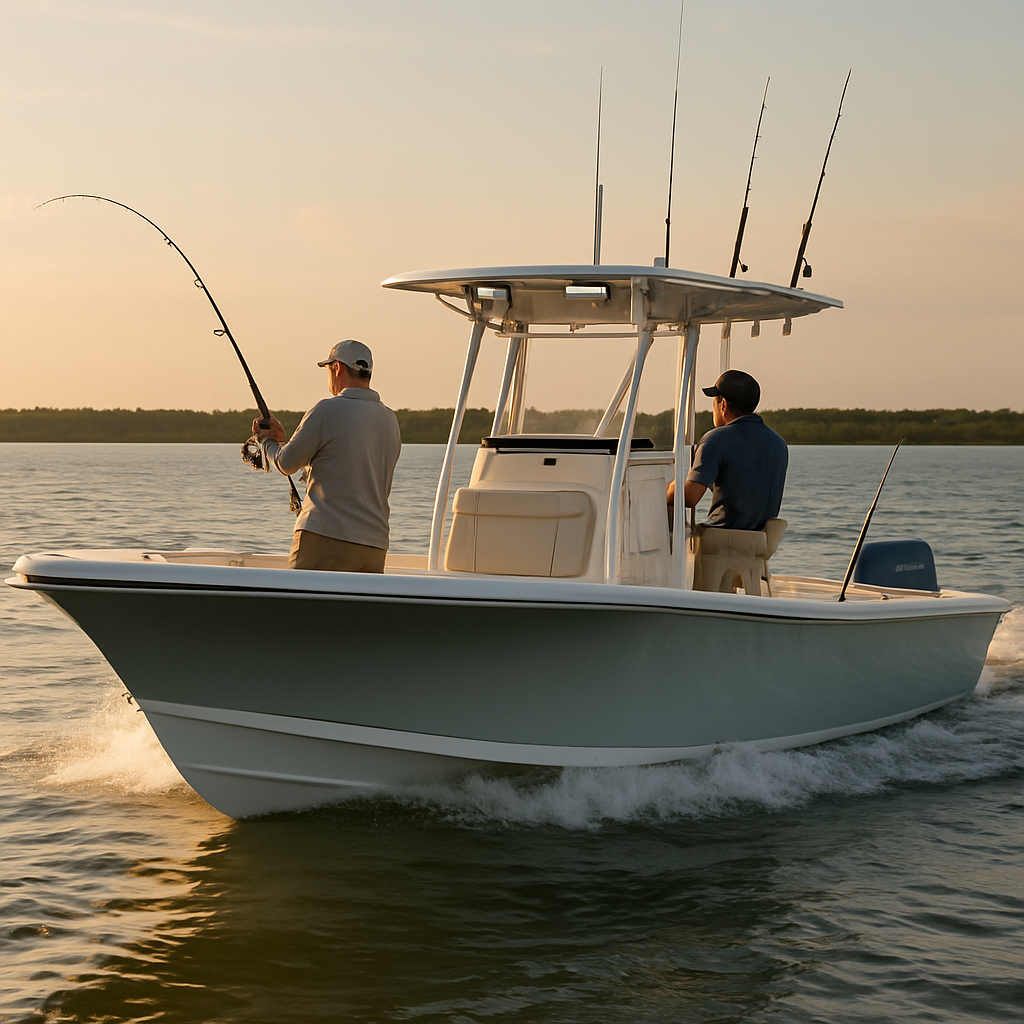
- Boat-casting: rehearse quick, controlled casts from the side of a boat, and practice communication with a mate to avoid tangles.
How to Adapt the Same Drill for Both Environments
Keep the core drill, but adjust target size, distance, and lure weight. For saltwater shift to larger targets and heavier lures; for freshwater tighten targets and lighten lures. That way motor patterns stay consistent while equipment and conditions vary.
Tracking Progress and Practice Plan
Without tracking, Du are guessing. A simple log will do wonders: date, weather, rod/reel, line, target size, distance, number of casts, hits/misses, and one fix you tried. Add a short note on how Du felt physically — tired arms give sloppy results.
Try this sample weekly routine: three sessions per week of 25–35 minutes. Session 1: technique and bullseye focus. Session 2: distance and wind compensation. Session 3: scenario practice — moving targets, blind casts, and quick-clip boat-side reps. After four weeks, test at your max practical distance and compare grouping stats. With consistent effort, measurable improvement almost always shows up.
FAQ — Common Questions About Casting Accuracy Drills
How often should Du practice Casting Accuracy Drills to see real improvement?
Aim for two to three short sessions per week lasting 20–40 minutes each. The trick is consistency: shorter, focused sessions build technique without burning you out. Track a simple stat like percent hits in a bullseye each session — Du will notice steady progress in 2–4 weeks if Du stick with it.
How long will it take until Du notice better grouping and fewer missed casts?
Expect noticeable improvement within 2–4 weeks with regular practice, but serious refinement takes longer. Muscle memory builds fast for basic timing; fine-tuning under wind and boat motion may take months. Keep a log and video occasional sessions — reviewing footage speeds learning and helps identify stubborn faults.
Which rod, reel, and line should Du use for practice?
Use the equipment Du fish with most, or choose a general practice setup: 6’6″–7’0″ medium-fast rod and a 2500–4000 spinning reel spooled with 10–20 lb braid and a fluorocarbon leader. Practicing with gear that matches your actual fishing conditions ensures improvements transfer directly to the water.
Will practicing with heavier line or different lures mess up my timing?
Different line and lure weights change the feel and timing, so alternate sessions if Du fish both light and heavy setups. Make one setup your “baseline” for core drills, and dedicate occasional sessions to the heavier or lighter gear you use so each motor pattern stays sharp.
How do Du practice effectively in wind without getting frustrated?
Break wind practice into small goals. Start with larger targets at shorter distances and practice compensating for drift by aiming upwind. Use fewer reps per set to keep focus sharp. Practice various wind angles and learn how much extra lead or power is needed — the more deliberately Du practice wind, the less it will throw off real fishing days.
Are these drills useful for both spinning and baitcasting rigs?
Yes. Core mechanics — stance, timing, release, and alignment — are the same. Du should practice both reel types if Du use both on the water. For baitcasters, include spool-control drills and thumb pressure practice; for spinning setups, focus on consistent release points and rod angle.
Can Casting Accuracy Drills reduce snags and improve hook-ups?
Absolutely. Better placement means fewer casts into structure and cleaner hookups. Accuracy drills teach precise landings and better sighting of targets, which directly cuts snags. Combine accuracy practice with rig choices and presentation tips (see ISSU Wildfish’s techniques) for the biggest payoff.
How should Du track progress so it’s meaningful?
Keep a simple table or note each session: date, weather, gear, target size, distance, casts, hits, misses, and one correction you worked on. Calculate hit percentage and note the best grouping. Video a session weekly and compare — visual proof of progress is motivating and revealing.
How do Du adapt drills for boat-casting or surf work?
Practice quick, controlled casts from a boat by simulating limited space and rehearsing communication with a mate. For surf, emphasize power casts and wind handling with larger targets. Gradually add motion and environmental stressors so accuracy survives real fishing conditions.
What’s the single best tip to improve quickly?
Pick one measurable objective per session and log it. Whether that’s a hit percentage on a 2-ft hoop or 7/10 successful moving-target leads, focus beats scattershot practice. Small, targeted improvements stack up fast.
Safety, Maintenance, and Final Thoughts
Safety first: always scan the arc before casting. Practice in clear areas and mark your zone if near others. After saltwater sessions, rinse and lubricate reels to avoid corrosion. Check knots and replace frayed line — bad gear can undo hours of good practice.
Casting Accuracy Drills are simple but effective. They demand repetition, patience, and honest tracking. Do them correctly and Du will notice fewer missed shots, better hookups, and a lot less frustration. Best of all — Du’ll catch more fish. That’s the goal, right?
Ready to get started? Pick one drill, set a measurable goal, and practice it three times this week. With a little focus and these Casting Accuracy Drills from ISSU Wildfish, Du will see tighter groups, fewer blown opportunities, and — most importantly — more fish on the end of the line. Tight lines!