Catch More Fish Today: Live Bait Rigging Tips that Actually Work (Read, Rig, Reel)
If you want more hookups and fewer frustrating “what-ifs,” you’ve landed in the right place. This guide delivers practical, field-tested Live Bait Rigging Tips you can start using on your next freshwater trip. No fluff. Just clear steps, smart gear choices, and little adjustments that make hungry fish commit. Ready to level up your live-bait game? Let’s get rigging.
Live Bait Rigging Tips for Successful Freshwater Fishing
Live bait is one of the oldest and still most effective tools in the angler’s toolbox. But success isn’t just about the bait itself—it’s how you protect it, present it, and match it to the fish’s mood. These Live Bait Rigging Tips focus on three core pillars: bait health, hook placement, and natural presentation. Master those, and your catch rate will climb.
While live bait presentation is central, complementary skills and strategies amplify success: fine-tuning your cast placement and timing can be practiced with Casting Accuracy Drills, which teach you how to drop a minnow or bobber into tight spots without spooking fish. Pairing these Live Bait Rigging Tips with broader Effective Fishing Techniques—covering reading water, timing, and approach—builds a complete system. And if you operate from a boat, mastering specific Trolling Techniques for Boats helps you hold bait at the right depth and spread lines effectively, turning short sessions into consistent results on larger water bodies.
Keep your bait healthy and lively
Dead or sluggish bait rarely fools wary fish. Keep bait lively and stress-free for longer:
- Use an aerated livewell or battery-powered aerator in a bucket. Oxygen is king.
- Keep temperatures stable. Shade your livewell or add ice in very warm conditions, but don’t shock bait with cold water.
- Avoid overcrowding—less crowding equals less stress and better movement.
- Handle bait gently: soft nets, wet hands, minimal squeezing. Preserve that slime coat.
Smart hook placement for natural movement
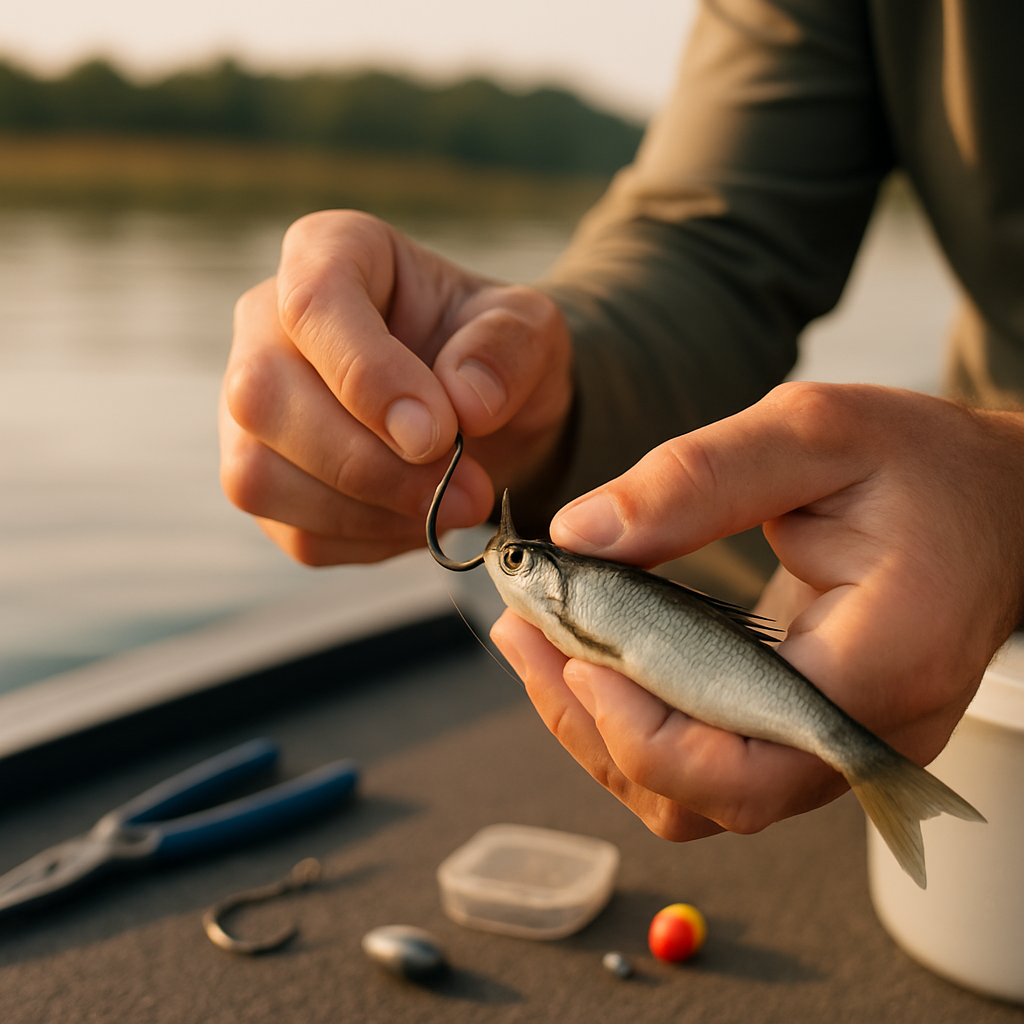
How you hook a minnow, leech, worm, or crayfish dramatically affects its action. A natural-swinging bait gets more strikes.
- Minnows/shiners: Lip hook for head-first presentation; dorsal/back hook for extra tail action. Lip hook reduces gut-hooking.
- Leeches: Thread through the sucker end so they keep swimming powerfully.
- Worms: Thread on a wide-gap hook and leave both ends to flutter. This teasing motion is irresistible to panfish.
- Crayfish: Hook through the tail to protect claws and preserve a natural kick.
ISSU Wildfish: Live Bait Rigging Tips and Techniques
ISSU Wildfish recommends keeping rigs simple and adaptable. Below are techniques that cover most freshwater species and conditions. Start with these, then tweak based on water, season, and fish behavior.
Slip Sinker (Fish-Finder) Rig
This is a go-to for bottom-oriented species like walleye and catfish. It lets the bait move naturally while the weight sits on or near the bottom.
- Thread a slip sinker onto the mainline.
- Add a bead to protect the knot.
- Tie a swivel to the mainline (use Palomar or improved clinch).
- Attach a 12–36″ leader (fluoro or mono) and a hook sized for your bait.
- Use lighter weight in clear water; heavier in current.
Tip: If fish are short-striking, shorten the leader or use a stinger hook—see below.
Float (Bobber) Rig
Best for suspending bait at a precise depth. Works wonders for crappie, bluegill, and shallow bass.
- Choose a slip bobber for deep water or variable depths; fixed bobbers for consistent shallow depths.
- Fine-tune depth so the bait sits just above cover or along a weed edge.
- Match bobber size to bait; use pencil or stick bobbers for subtle bites.
Stinger / Double Hook Setup
If fish nip at but don’t take your bait, a stinger hook can turn pecks into hookups. Tie a short 3–6″ trace with a small hook behind the main hook to catch body or tail strikes.
Live Bait Rigging Tips: Choosing the Right Rigging Setup for Your Boat
Your boat influences how you handle bait and present rigs. Whether you’re in a bass boat, a family pontoon, or a kayak, pick setups that match your platform for speed, safety, and efficiency.
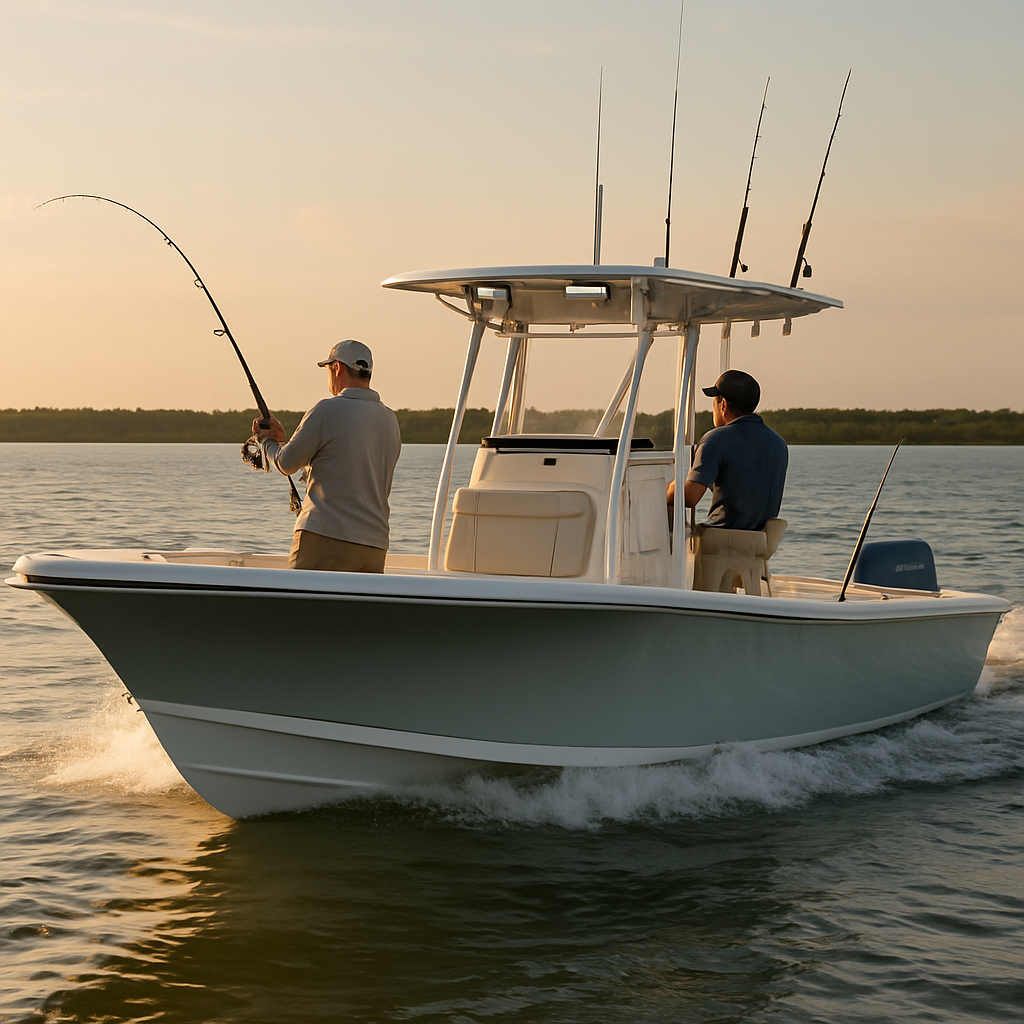
Bass boats and center consoles
These boats are built for speed and precision. Use that advantage:
- Livewells with circulation systems let you keep premium bait alive all day.
- Trolling from a bass boat? Use inline weights or planer boards to control depth and keep lines out of the prop wash.
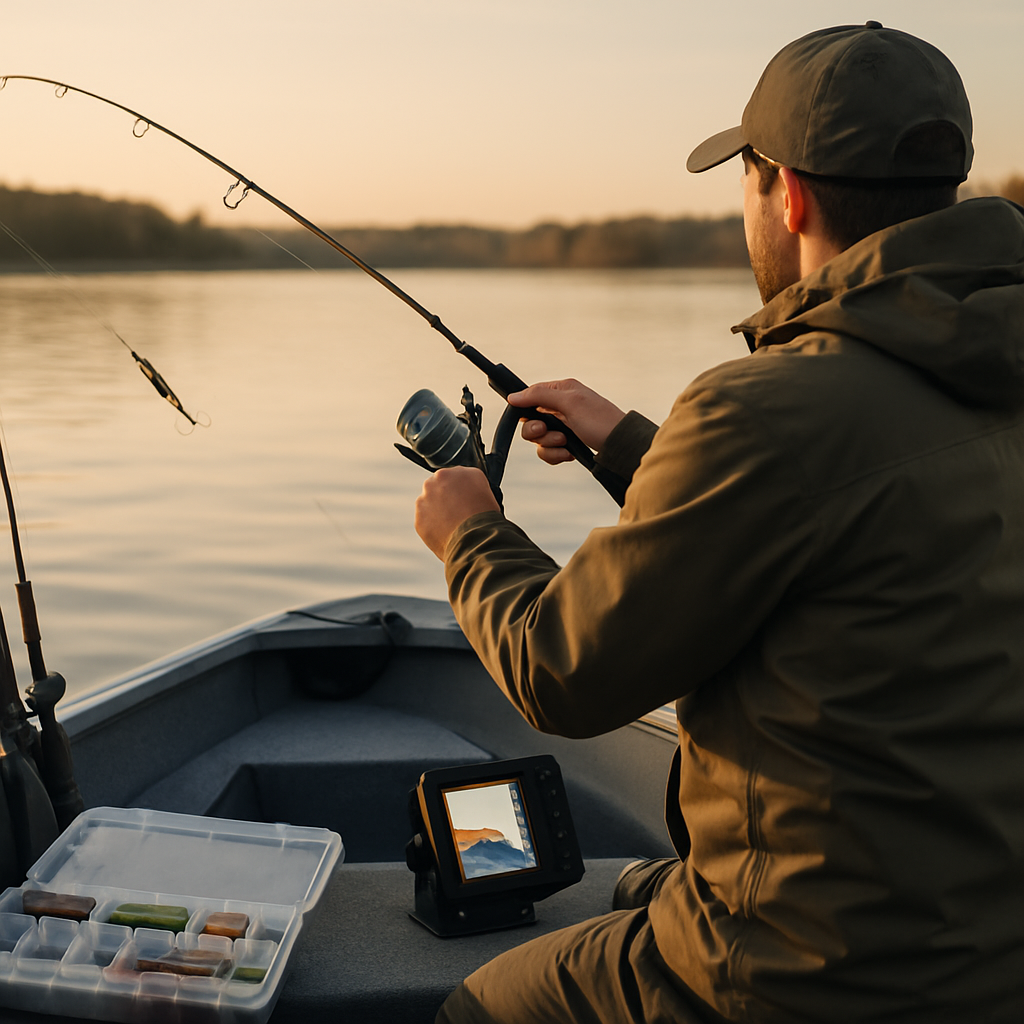
- Organize quick-change leaders in small tackle trays for rapid in-boat adjustments.
Pontoons and family boats
Big boats, more comfort, but often less stealth. Play to the platform’s strengths.
- Use aerated bait buckets and a mesh divider to prevent crowding.
- Anchor upstream and present slip-sinker rigs off the stern to sit in current lanes where big fish move.
- Rod holders are your friend—use them to manage multiple lines and watch bobbers more easily.
Kayaks and small craft
Space is tight, so simplicity wins.
- Keep a small, secured aerated bucket or soft bait bag.
- Use single-hook rigs and small float setups. You don’t need a buffet—just a focused presentation.
- Secure your bait and tools with tethers; losing a minnow bucket ends the day quickly.
Rigging Techniques Tailored to Different Water Conditions
Water clarity, current, structure, and temperature matter. Adjust your Live Bait Rigging Tips to match the environment and you’ll see more interest and more bites.
Clear water
In gin-clear water, subtlety wins. Fish can be suspicious, so make your rig invisible and natural.
- Use fluorocarbon leaders for low visibility.
- Pick lighter weights and smaller hooks—presentation trumps brute force.
- Opt for longer leaders (18–36″) to keep the bait away from the weight and mainline.
Stained or muddy water
When visibility is low, bump up the attraction—vibration and profile become more important than invisibility.
- Use heavier sinkers and stronger line to feel contact and control drift.
- Choose larger baits or baits with more movement to create disturbance.
- Loud bobbers and heavier monofilament help you detect bites faster.
Current and river fishing
Current changes everything. Keep bait in the strike zone and let it look natural as it moves.
- Slip-sinker rigs are ideal—egg sinkers slide and reduce snags.
- Shorter leaders keep bait near the bottom where ambush predators wait.
- Anchor upstream and present downstream, or drift with controlled line to simulate natural movement.
Weedbeds and structure-heavy areas
Fish feel safe in cover. Present bait so it looks like it’s trying to escape the structure, but avoid constant snagging.
- Use weedless hooks or Texas-style rigs when fishing thick cover.
- Stout leaders and heavier wire hooks if toothy fish or abrasive structure is common.
- Shorter casts and targeted placements beat blind chuck-and-hope tactics.
Seasonal changes: tweak your approach
Spring fish tend to be shallow and aggressive—lighter rigs and more active presentations win. In summer thermoclines push fish deeper; longer leaders and weight to get to depth help. Fall aggression often increases; use larger bait and slightly faster presentation. Winter? Slow everything down.
Common Live Bait Rigging Tips and Mistakes to Avoid
Here’s the short list of rookie errors that cost bites—and how to fix them. They’re simple fixes, but you’d be surprised how often I see them on the water.
Top mistakes and quick fixes
- Overhandling bait: Reduce handling. Use a wet gloved hand or soft net.
- Wrong hook size: Match hook size to bait and fish. Too big reduces strikes; too small loses fish.
- Too much weight: Heavy weights kill action. Use the minimum to hold bottom or reach depth.
- Weak knots: Learn Palomar, improved clinch, and a loop knot for bait freedom.
- Ignoring bait survival: Dead bait has uses, but live presentation often outperforms dead bait by far.
Gear and Tackle Essentials for Live Bait Rigging by ISSU Wildfish
A well-organized kit shortens downtime and keeps you focused on fishing. Here’s a practical checklist to stash in your boat before launch.
Live Bait Rigging Gear Checklist
- Livewell or aerated bait bucket with battery aerator
- Variety of hooks: octopus, wide-gap, circle, Aberdeen (sizes from tiny to 2/0)
- Sinkers: egg, split shot, pyramid, bank
- Swivels, beads, snaps
- Line options: braid for mainline, mono for shock, fluorocarbon for leaders
- Pliers, dehooker, hook file, scissors
- Landing net and measuring board
- Bait-specific tools: bait needle, minnow pump, small dip net
- Spare aerator battery and quick clamps
Rods, reels and line choices
Choose a rod and reel that match your rig and the fish. Medium-light spinning rods for panfish and light bass rigs. Medium-heavy baitcasters for big minnows, big bass, and heavy cover. Smooth drag is essential—big fish hit hard. For lines, braid for sensitivity and backbone, mono for shock absorption, and fluorocarbon for stealthy leaders.
Knots every live-bait angler should master
- Palomar: My go-to for hooks and braided mainlines.
- Improved clinch: Simple and durable with mono.
- Loop knot (Perfection or Non-Slip): Gives minnows freedom to move—use for suspending presentations.
- Uni knot: Versatile for leaders and joining lines.
Troubleshooting: Why your live-bait approach isn’t producing
When things go wrong, don’t panic. Check these common problems and quick fixes before discarding a spot.
- Bait dies quickly: Improve aeration, reduce crowding, and watch temperature.
- No strikes: Change depth, reduce weight, switch leader material, or try another bait species.
- Short strikes: Add a stinger hook or change hook placement from lip to back (or vice versa).
- Tangles while trolling: Shorten rig length, use inline weights, or spread lines with planer boards.
FAQ — Frequently Asked Questions about Live Bait Rigging Tips
Below are the most common questions anglers search for online that matter to ISSU Wildfish. Answers are practical and aimed at helping you fish smarter and faster. If something here sparks a follow-up, try it out and refine it on your next trip.
How should I rig live bait for bass to maximize hookups?
You want your bait to look natural and be hooked in a way that keeps it lively. For bass, lip-hooking a minnow gives a head-first presentation that bass often prefer, especially when cruising. If bass are short-striking, try a back or dorsal hook placement to increase tail action, or add a small stinger hook 3–6″ behind the main hook. Use a medium-action rod and a smooth drag so you can feel subtle takes and set the hook without ripping the bait from the fish’s mouth.
What’s the best way to keep minnows alive all day?
Proper aeration and temperature control are everything. Use a livewell with circulation or a battery aerator in a bait bucket. Keep water shaded and avoid sudden temperature swings—if it’s hot, add ice slowly to avoid shocking the bait. Change water in buckets periodically, avoid overcrowding, and handle minnows with wet hands or soft nets. If you’re in a remote spot, bring spare aerator batteries and a small spare bucket to rotate bait and reduce crowding.
When should I use a slip-sinker rig versus a bobber rig?
Choose slip-sinker rigs when fish are bottom-oriented—walleye, catfish, and many bass in deeper water—because the bait can move naturally while the sinker stays put. Use bobber rigs when fish are suspended or feeding higher in the water column, like crappie, bluegill, or shallow bass. If depth is variable, go with a slip bobber so you can quickly adjust without re-tieing. Think about where the fish are and match your presentation to that zone.
What leader length and material should I use with live bait?
Leader length depends on water clarity and fish wariness. In clear water use fluorocarbon leaders of 18–36″ to reduce visibility. In stained water or current use shorter leaders (12–18″) and heavier material so you keep the bait in the strike zone. Fluorocarbon is great for stealth and abrasion resistance; mono gives you some stretch which can be handy on lighter rigs. Use braid for your mainline if you need sensitivity and power, but always tie a fluorocarbon or mono leader for the bite zone.
How do I rig live bait for trolling from a boat?
Trolling with live bait works if you control speed and keep the bait at the right depth. Hook through the back for a more natural rear-facing presentation at slow troll speeds. Use heavier leaders or wire when toothy fish are present. Inline weights or downriggers control depth; planer boards help spread lines and avoid tangles. Keep your trolling speed steady and adjust sinker size to maintain the desired depth without killing bait action.
Which hook types work best for common live baits?
Hook choice is about bait type and target species. Wide-gap or octopus hooks are versatile for minnows and shiners. Circle hooks reduce deep gut-hooking and are often used for catfish and saltwater scenarios, but they can be effective in some freshwater setups too. Aberdeen hooks are useful for worms and small panfish because they’re thin and hold bait without crushing it. Match hook size to bait size and the fish’s mouth for best results.
How do I prevent short-strikes and increase hookup rates?
Short-strikes are usually about presentation: either the hook isn’t positioned to catch the fish, or the fish is pecking and not fully committing. Try a stinger hook, shorten the leader, or change hook placement from lip to back or vice versa. Also check your hook sharpness—dull hooks cause missed sets. Lighter weights and slower presentations can help in pressured waters, letting the bait behave naturally so bass and walleyes commit fully.
Are there legal or ethical considerations when using live bait?
Yes—check local regulations on live-bait use, transport, and allowed species. Many areas restrict non-native bait to prevent invasive species spread. Ethically, keep bait handling humane: minimize suffering, avoid unnecessary releases of non-native bait, and don’t dump live bait into waters where it could establish. Use sealed containers for transport and follow state or provincial rules to help protect fisheries.
How do I handle and store live bait between catches?
Keep bait in a shaded, aerated container and avoid leaving buckets in full sun. Transfer minnows to the livewell or aerated bucket and keep them loose—don’t overcrowd. If bait starts showing stress (listless behavior, fading color), refresh the water and remove injured fish. Keep a small first-aid kit for bait: spare aerator batteries, a small net, and a mesh divider help maintain bait health between catches and keep you fishing longer.
What gear upgrades give the biggest improvement for live-bait fishing?
Start with an aerated livewell or a reliable battery aerator—that’s the single most impactful upgrade. Next, get a good set of sharp hooks in varied sizes and a quality selection of swivels, sinkers, and fluorocarbon leaders. A smooth-drag reel and a rod with the right action for your bait size will also transform hookups into landed fish. Small upgrades add up: sharp hooks, spare batteries, and a compact tool kit keep downtime low and catch rates up.
Final checklist and quick-field tips to implement on your next trip
- Pre-aerate your livewell and test battery before launch.
- Pre-rig 3–4 slip-sinker and bobber rigs—saves time and keeps you fishing.
- Carry identical leader lengths and a few standard hook sizes to quickly narrow what works.
- Rotate bait frequently: swap sluggish minnows and trim injured tails.
- Make small changes: depth, weight, hook placement—one variable at a time.
Live Bait Rigging Tips are both technique and instincts. Use these tips, practice knots till they’re automatic, and be willing to make small, smart adjustments on the water. You won’t become a fish magnet overnight, but with consistent rigging, care for your bait, and attention to conditions, you’ll notice more solid strikes and cleaner hookups. Now go rig up, toss a fresh minnow, and enjoy the sound of your drag singing.