Imagine stepping onto a boat that fits your fishing style like your favorite pair of boots — comfortable, reliable, and ready to get you into the fish. That’s the promise behind choosing the Best Boat Types for Angling. Du want a platform that keeps you safe, gets you to the spots, and helps you land more fish without breaking the bank or costing you hours in frustration. Read on and by the time Du finish, Du will know which boat suits your water, wallet, and weekend plans — and how to get the best results from it.
ISSU Wildfish Picks: Top Boat Types for Successful Angling
We sort through hype, specs, and real-world use to bring you practical picks. The Best Boat Types for Angling depend on where Du fish, how Du fish, and what Du expect from your time on the water. Below are the reliable choices anglers keep coming back to — each explained with who it fits best and why.
If Du’re trying to narrow down the big-picture choices before Du dive into specific models, check our practical guides: if materials matter most to you, our comparison on Aluminum vs Fiberglass Fishing Boats breaks down durability, repairability, and cost; for a broad overview of the best platforms, have a look at Best Boats for Fishing; and if Du’re deciding between open-water runs and shallow-water stalking, our detailed piece on Offshore vs Inshore Fishing Boats will help Du match the hull to your fishery and lifestyle. These resources can save Du time and money by clarifying priorities before Du buy.
Bass Boats
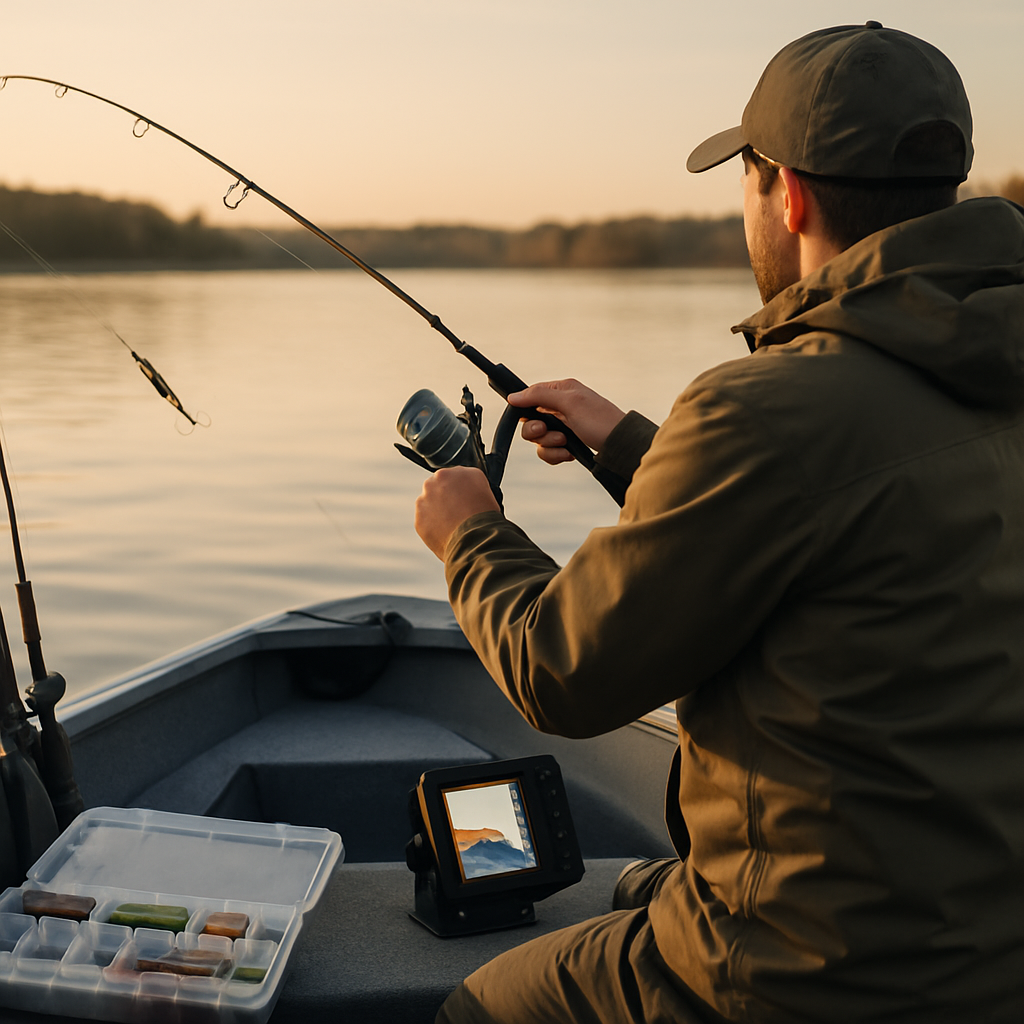
Bass boats are the classic freshwater predator platform. They’re low to the water, fast to run between points, and built with angling in mind: raised casting decks fore and aft, plentiful rod storage, and room for a powerful outboard. If Du chase bass on mid-size lakes or reservoirs, a bass boat gives you speed and a stable casting stance. Don’t expect them to be comfortable for long overnight trips; they’re designed around fishing performance first. Consider them if Du like to fish tournaments, troll with finesse, or need a dedicated platform for electronics and tackle.
Why anglers love them: quick acceleration, great casting stations, and easy customization. Watch out: shallow draft limits and lower freeboard can make rough water uncomfortable.
Center Console Boats
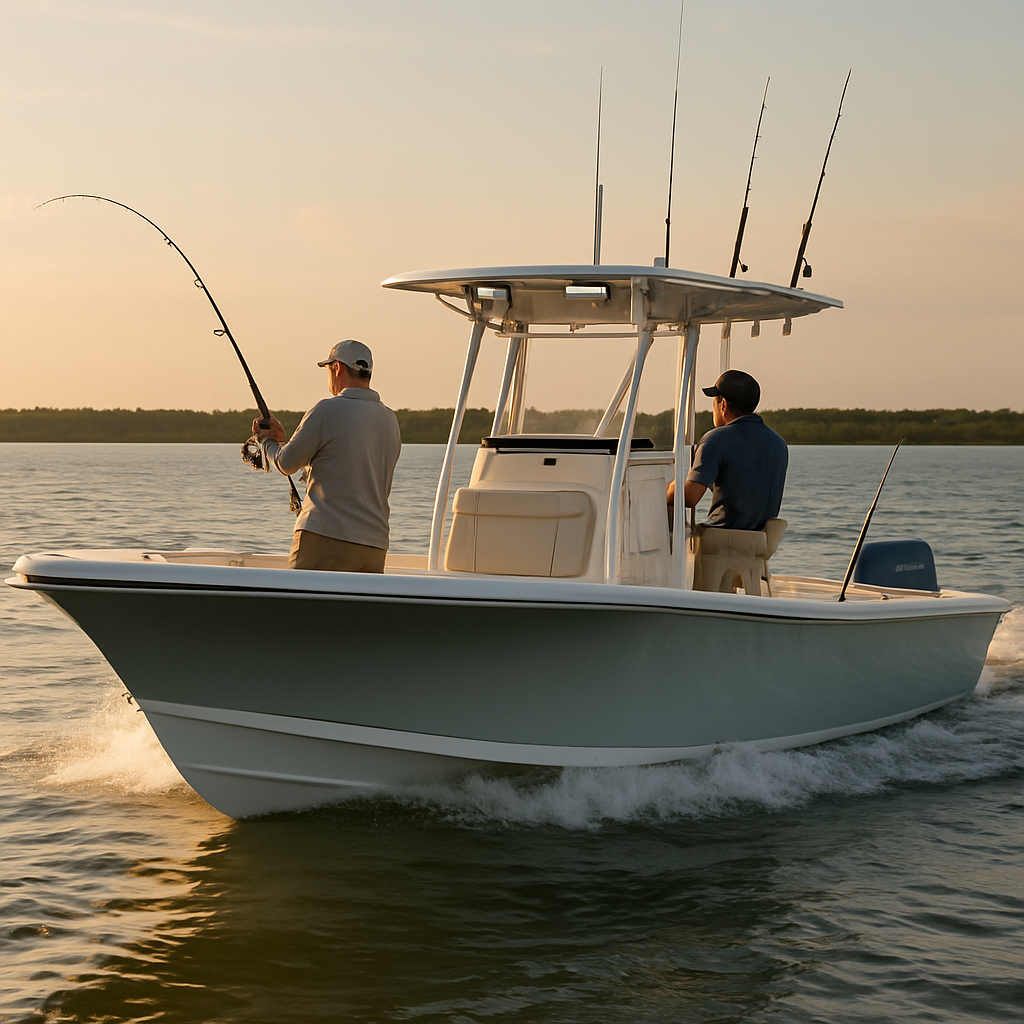
If saltwater or multi-use versatility is your game, center console boats are hard to beat. Their 360-degree decks make fighting fish, sight-casting, or pulling off live bait easy. They scale from small 18-footers for inshore work up to 30-foot-plus offshore rigs. You’ll find rod holders, insulated fish boxes, and options for multiple engines. They handle chop better than flat-bottom boats and give you more range for offshore trips.
Great for: anglers who fish nearshore, offshore, or in mixed salt/fresh-water environments and want a capable, durable boat that handles heavy use.
Bay and Flats Boats
Hunting redfish on a sunny flat or poling across shallow grass? Flats and bay boats are tailored for that. Their shallow draft and often custom poling platforms let you sneak into skinny water where predators ambush bait. Stability while standing and good sightlines are front-and-center in the design. They aren’t speed demons for open-ocean runs but excel at sight-fishing, fly-fishing, and stealthy inshore approaches.
Tip: When Du want to stalk cruising fish in inches of water, nothing beats a well-driven flats skiff.
Jon Boats
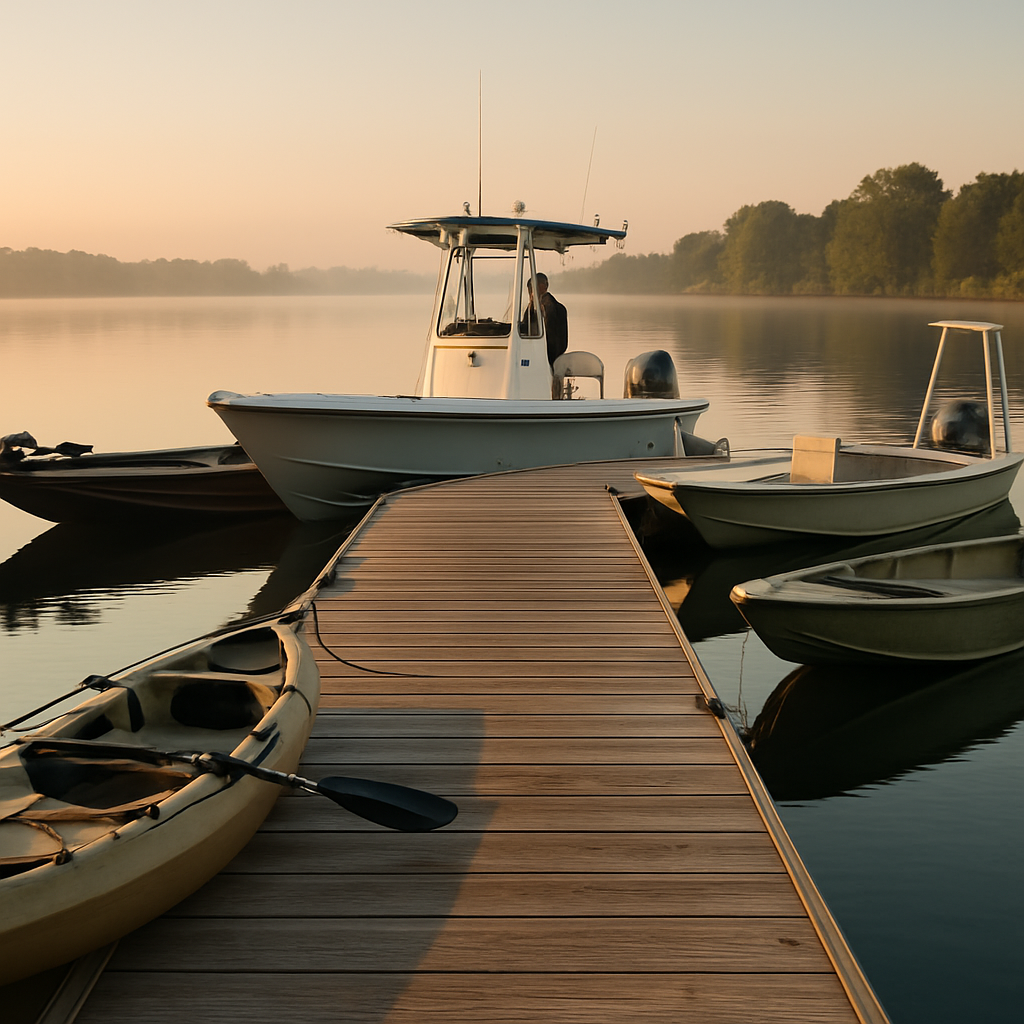
Simple, economical, and rugged — that’s the jon boat. These aluminum, flat-bottomed workhorses are ideal for calm rivers, marshes, and small lakes. They’re light and trailer-friendly, and because they’re so basic, maintenance and repair are straightforward. You’ll find anglers outfitting them with small outboards, a trolling motor, a simple casting deck, and a battery. For a new angler or someone fishing tight budgets, a jon boat delivers a lot of utility for little money.
Pontoons
Pontoons have come a long way from floating picnic platforms. Modern fishing pontoons are purpose-built with upgraded transoms, fishing-ready layouts, and higher horsepower options. They’re incredibly stable and comfortable — perfect for family trips where fishing is a close second to relaxing. If your waters are mostly calm lakes, and Du like to bring friends or kids, a fishing pontoon gives a gentle ride, space for gear, and surprisingly good fishability.
Kayaks and Inflatable Boats
For stealth, portability, and access, kayaks and high-quality inflatables shine. They put Du into pockets and backwaters that larger boats can’t touch. Sit-on-top fishing kayaks come with molded rod holders, storage hatches, and easy-to-install fish-finding electronics. Inflatable fishing boats these days can be rugged, fishable platforms with transom options for small outboards. They’re perfect if Du’re solo, short on storage, or like the idea of paddling into a sunset with a rod in hand.
How to Choose the Right Angling Boat Based on Water Conditions
Choosing the Best Boat Types for Angling isn’t just brand and bells — it’s matching hull and setup to the conditions Du’ll face most. Let’s break down the practical factors and questions Du should ask yourself before buying.
Water Depth and Draft Requirements
Ask: How shallow are the waters Du fish? If Du’re targeting backcountry creeks or coastal flats, every inch of draft matters. Flats boats, skiffs, and jon boats let Du push into skinny water. If your fishing area is deeper lakes or coastal reefs, a deeper-V hull offers better performance and stability at speed.
Wave and Sea Conditions
Calm lakes don’t require the same seaworthiness as coastal chop. Deep-V hulls and higher deadrise handle chop and swell better, giving smoother rides and safer offshore passages. If Du face wind-driven chop, choose a hull that sacrifices a bit of shallow access for better secondary stability.
Size, Launching, and Storage
Bigger boats mean more room and comfort, but also more expense and tougher launching logistics. Do Du have room to store and trailer a big boat? Smaller vessels, kayaks, or inflatables offer freedom from ramps and expensive storage fees. Think through where Du’ll launch most often — ramps, marinas, or private docks — and choose a boat that fits the infrastructure.
Freshwater vs. Saltwater Use
Saltwater eats gear if Du don’t protect it. If Du plan to fish saltwater, look for boats with corrosion-resistant hardware, sealed electrical systems, and materials that stand up to spray and salt. Freshwater use gives Du more flexibility with lighter materials and lower-spec hardware, but if Du mix environments, upgrade corrosion protection accordingly.
Target Species and Fishing Style
If Du’re chasing trophy pike in a northern lake, your needs differ hugely from someone stalking bonefish on Caribbean flats. Trollers, jiggers, and sight-fishers require different features: downriggers and large fuel tanks for trolling; shallow draft and poling platforms for sight-fishing. Think about your primary method and species before settling on a hull.
Versatile Angling Boats for Freshwater and Saltwater Adventures
Want a boat that doesn’t pigeonhole you into one water type? Here are platforms that play well in both freshwater and saltwater with sensible modifications and care.
Dual-Console Boats
Dual-console boats split the difference between comfort and performance. They provide shelter and seating for passengers while leaving room for angling setups. Add rod storage and a livewell, and many dual-console models work fine for inshore saltwater and lake use. They’re a good choice for anglers who bring non-angling friends or family along frequently.
Small Center Consoles (18–24 ft)
Small center consoles are among the most flexible platforms. They’re nimble enough for lakes and strong enough for nearshore saltwater, provided Du fit corrosion-resistant components and a suitable outboard. If Du fish both islands and inland reservoirs seasonally, this type can be your Swiss Army knife.
Multi-Species Bass Boats
Some modern bass boats have beefed-up freeboard and saltwater-grade finishes, allowing them to double as inshore rigs. With upgraded paint, sacrificial anodes, and stainless fittings, a bass boat can serve both lake tournaments and protected bay fishing seasons.
Pontoons with Fishing Packages
Fishing pontoons with reinforced transoms and fishing-specific layouts are great for calm coastal bays and lakes. They aren’t for open sea, but if your saltwater trips are in protected water, a pontoon lets Du fish in comfort with friends and family.
Versatility Checklist
- Choose marine-grade hardware and sealed electronics for saltwater exposure.
- Opt for a hull that balances shallow access and wave handling if Du fish mixed waters.
- Add a bilge pump with adequate capacity for occasional choppy conditions.
- Invest in proper trailer and launch gear rated for coastal use to avoid surprises.
Budget-Friendly Angling Boats: Quality That Won’t Break the Bank
Fishing should be about catching fish, not balancing debt. Let’s talk realistic ways to get on the water without sacrificing safety or fishability.
Used Boats: Value With Caution
Used boats are often the smartest way to start. You get a higher-spec hull or better electronics at a lower price. But be picky: check hull repairs, engine hours, and service records. A pre-purchase inspection by a marine mechanic is worth every penny. Du’ll save money long-term by avoiding hidden defects.
Aluminum Jon Boats
If Du want cheap and durable, jon boats are hard to beat. For the price of a decent kayak, Du can have a motorized jon boat that gets you into shallow, quiet water with gear and a cooler. They’re low-tech, so repairs are simple and parts are inexpensive.
Entry-Level Bass/Aluminum Fish Boats
Many manufacturers offer stripped-down versions of popular models that keep the essentials: casting deck, livewell, and space for basic electronics. Buy one of these, and add gear over time as needs change. The trick is to avoid overspending on electronics Du don’t yet know how to use.
Kayaks and Inflatables
On tight budgets, fishing kayaks or quality inflatables get Du to fish-rich spots cheaply. Du’ll trade range and speed for stealth and access, but for many anglers, that’s a perfect tradeoff.
Practical Budget Tips
- Buy plain models and upgrade only the systems Du actually use.
- Factor in insurance, trailer maintenance, fuel, and storage — these add up.
- Consider seasonal rentals before Du buy to test boat types in your local waters.
Essential Features to Look for in the Best Boat Types for Angling
No matter which hull Du pick, some features make fishing easier, safer, and more productive. Focus on the essentials and add luxuries later.
Livewell and Baitwell
For bait and tournament anglers, a reliable livewell is non-negotiable. Look for easy-to-clean tanks, decent capacity, and pumps that are simple to service. Aeration and circulation are more important than flash — fish kept alive need oxygen and clean water.
Casting Decks and Non-Slip Surfaces
A solid casting deck with non-slip material is a game-changer when Du’re working fish and moving around. A raised deck gives better visibility for sight-fishing and more room to land larger catches.
Rod Storage and Tackle Organization
Nothing kills momentum like tangled rods and missing lures. Good onboard storage for rods, tackle, and pliers keeps Du focused on fishing instead of digging through a bucket. Lockers that organize gear also protect it from weather and salt.
Trolling Motor and Mount
A quiet trolling motor lets Du finesse presentations and hold position without spooking fish. Modern units with GPS anchoring (Spot-Lock) let Du lock onto structure and work it with precision — a big advantage on pressured waters.
Fishfinder and GPS
Arguably the most impactful electronics Du can buy are fishfinder and chartplotter combos. Sonar with CHIRP, side-scan, and down-imaging reveals structure and schools; GPS helps Du mark spots, plot routes, and navigate safely. Integrated units simplify installation and use.
Bilge Pump and Drainage
Water accumulates. Make sure Du have reliable bilge pumps sized for your boat and consider a manual backup. Proper scupper placement and drainage prevent pool formation on decks and help maintain safety.
Anchor System
A practical anchor setup — appropriate anchor type, rode, and easy deployment — lets Du stay on top of a productive spot without constant motor corrections. For tidal waters, consider a heavier anchor and more rode to handle current shifts.
Hull Stability and Freeboard
Balance initial and secondary stability depending on your fishing style. If Du stand a lot to sight-cast, initial stability (how steady the boat feels at rest) matters a lot. If Du face waves, secondary stability (resistance when heeled) keeps you safer and more comfortable.
Engine Reliability and Fuel Capacity
Choose a reputable engine brand and match fuel capacity to your typical trip length plus reserves. An engine with good service records beats an untested high-output motor every time.
| Boat Type | Best For | Typical Length | Draft | Cost Range |
|---|---|---|---|---|
| Bass Boat | Freshwater predator fishing | 16–22 ft | Shallow to moderate | $15,000–$75,000+ |
| Center Console | Inshore & offshore saltwater | 18–35+ ft | Moderate to deep | $20,000–$300,000+ |
| Bay/Flats Boat | Shallow water inshore fishing | 15–22 ft | Very shallow | $10,000–$70,000 |
| Jon Boat | Shallow lakes, inland waters | 8–18 ft | Very shallow | $1,500–$10,000 |
| Pontoon | Family and casual lake fishing | 16–28 ft | Shallow to moderate | $10,000–$80,000+ |
| Kayak/Inflatable | Solo, stealth, tight water | 6–14 ft | Very shallow | $300–$2,500+ |
Buying Checklist: What to Inspect Before Purchase
Before Du hand over cash, use this checklist to avoid buyer’s remorse. It applies whether Du’re buying new or used, from a dealer or a private seller.
- Hull condition: Look for consistent gelcoat, no soft spots, and no signs of poor repairs.
- Engine: Check hours, service history, and start-up behavior. Look for corrosion and leaks.
- Electrical: Test bilge pumps, nav lights, and all electronics. Wiring can be a hidden headache.
- Trailer: Bearings, lights, frame condition, and winch. A bad trailer can be costly later.
- Safety gear: Make sure Du have life jackets, fire extinguisher, horn, and flares as required.
- Paperwork: Clear title, transferred registration, and no outstanding liens.
- Sea trial: Always test performance under real conditions — how it planes, idles, and handles turns.
Maintenance Tips to Keep Your Fishing Boat Ready
Treat your boat like a dependable fishing buddy — with routine care. A little maintenance keeps Du safe and saves money in the long run.
- Rinse thoroughly after saltwater trips and flush cooling systems.
- Follow scheduled engine services: oil, filters, lower-unit gear oil changes.
- Store batteries on a maintenance charger during off-seasons.
- Replace sacrificial anodes before they’re gone — they do a lot of quiet work saving your gear.
- Regularly inspect propellers and replace or repair bent units promptly.
- Wax and protect topsides to keep finishes resilient against sun and spray.
FAQ — Common Questions Anglers Search for About Best Boat Types for Angling
A: For most beginners, Du should consider a small bass boat or a jon boat. They’re easy to handle, inexpensive to run, and simple to maintain, giving Du a stable platform for learning casting, boat handling, and basic electronics. A kayak is another low-cost option if Du prefer solo stealth and minimal logistics.
A: Aluminum boats are typically lighter, cheaper, and easier to repair, while fiberglass offers a smoother ride, better aesthetics, and often more interior finish options. If Du fish shallow, rocky rivers or want low maintenance, aluminum can be ideal; for open-water comfort and resale value, fiberglass is often preferred.
A: Yes — but Du must prepare it. Upgrade to corrosion-resistant hardware, install sacrificial anodes, and rinse thoroughly after every saltwater trip. For frequent saltwater use, choose boats and components rated for marine environments to reduce long-term maintenance headaches.
A: Consider the typical conditions Du’ll face and how far Du’ll travel. Offshore boats are built for larger seas and longer runs, with deeper hulls and higher freeboard; inshore boats prioritize shallow access, agility, and easier trailering. If Du split time between both, read our offshore vs inshore guide to match choices to your fishery.
A: Buying used can give Du great value, but inspection is crucial. Look for service records, hull repairs, engine hours, and have a marine mechanic perform a pre-purchase check. A good used boat can cost far less than new and still serve Du well for years.
A: Expect a wide range: kayaks and inflatables can start under $1,000; entry-level bass boats and jon boats commonly fall between $5,000–$25,000 used; new center consoles and larger rigs can exceed $50,000. Include trailer, electronics, insurance, and maintenance in your total budget.
A: Du should always carry life jackets for every passenger, a fire extinguisher, visual distress signals, a working horn or whistle, and basic first-aid supplies. Add a VHF radio or reliable mobile phone, and check local legal requirements which can vary by region.
A: If Du use live bait or compete in tournaments, a livewell is essential. A trolling motor is hugely beneficial for precision fishing, especially for bass and sight-fishing; models with GPS anchoring add a big tactical edge when holding over structure.
A: Basic maintenance should be seasonal at minimum — more often if Du fish saltwater regularly. Flush engines after saltwater use, change oil and filters per manufacturer schedules, inspect anodes, and keep electronics and batteries in good condition to avoid being stranded.
A: Check local dealers, reputable boat brokers, and verified private listings. Many dealers offer financing packages, and marine lenders can structure loans similar to auto financing. Always compare rates and ask about warranties, service plans, and included trailer deals.
A: Choose a size based on typical passenger count, range, and where Du’ll launch. Small boats are easier to store and trailer; larger boats give more comfort, fuel capacity, and sea-keeping. Test-ride options during a sea trial to see what feels right in the water conditions Du fish most.
A: A modern fishfinder with CHIRP sonar and down or side imaging provides the biggest boost. Pair it with GPS/chartplotting to mark productive spots and navigate safely. For many anglers, this combination is the best investment after a trolling motor and a reliable livewell.
Final Thoughts from ISSU Wildfish
Choosing the Best Boat Types for Angling comes down to matching your waters, your fishing style, and your budget. There’s no one-size-fits-all — but there’s a right boat for Du. Start by listing where Du fish most, what species Du target, and who Du usually take with you. Then prioritize must-have features like a livewell, trolling motor, and reliable electronics. If Du’re flexible, a versatile center console or dual-console can cover many bases. If Du’re focused, a flats boat or bass boat might give Du the edge you need.
Want more tailored advice? Think regionally: in the Gulf and Southeast Du’ll favor flats, bay, and center consoles. Up north, deeper-V hulls and larger fuel tanks matter for big-lake trolling. In the Midwest, lightweight bass boats and jon boats dominate lakes and rivers. Drop us a line on ISSU Wildfish to get model-specific recommendations and seasonal tips — we love helping anglers find the right match for their next season.
Go out, fish smart, and may your next trip be the one that makes you grin on the dock. Tight lines!