Bottom Fishing Techniques can turn an average day on the water into a haul you’ll be telling stories about for weeks. If you want to catch more fish, waste less time, and enjoy calmer, smarter trips, this guide lays out practical steps, real-world tips, and gear you can trust. Read on—there’s something here whether you fish shallow flats for flattie species or drop to wrecks in deep blue water.
Bottom Fishing Techniques: A Comprehensive Guide for ISSU Wildfish Readers
Bottom fishing is deceptively simple: place bait where the fish hang out and wait for the bite. Simple, yes—but doing it well takes knowledge. The best bottom fishing techniques combine locating fish, choosing the right presentation, matching tackle to conditions, and adjusting to the day’s current and weather. If you focus on these pillars, your odds of consistently catching more fish improve dramatically.
If you want to sharpen your casting before placing baits precisely over structure, try our Casting Accuracy Drills. These practical exercises teach repeatable mechanics for landing baits exactly where you want them, controlling arc and line speed, and improving placement under pressure. Spend time on these drills and you’ll reduce snags, place baits in tighter ambush zones, and convert more bites when fishing edges and tight structure.
Drift control is a cornerstone of effective bottom presentations, and our Drift Fishing Strategies guide walks you through how to manage boat speed, sinker selection, and rod angles to keep baits in the strike zone longer. It also explains how to read wind and tide to position your drift, stagger multiple lines, and maximize coverage without anchoring—skills that directly boost your bottom fishing success when covering reefs, wrecks, and ledges.
For a broader view that ties rigs, baits, and techniques into a system, see our summary on Effective Fishing Techniques. That resource brings together presentation theory, terminal tackle choices, and electronic reading tips so you can create reliable pre-trip checklists, adapt on the water, and refine what works. Use it as a foundation to develop your own repeatable approach to bottom fishing.
Reading the Bottom and Finding Fish
Fish are creatures of habit. They gather where food is easy to find and where the terrain offers shelter or ambush points. When bottom fishing, look for structure: ledges, reefs, wrecks, boulders, and drops. Even subtle changes—where sand meets weed, or a shallow mound—can hold fish.
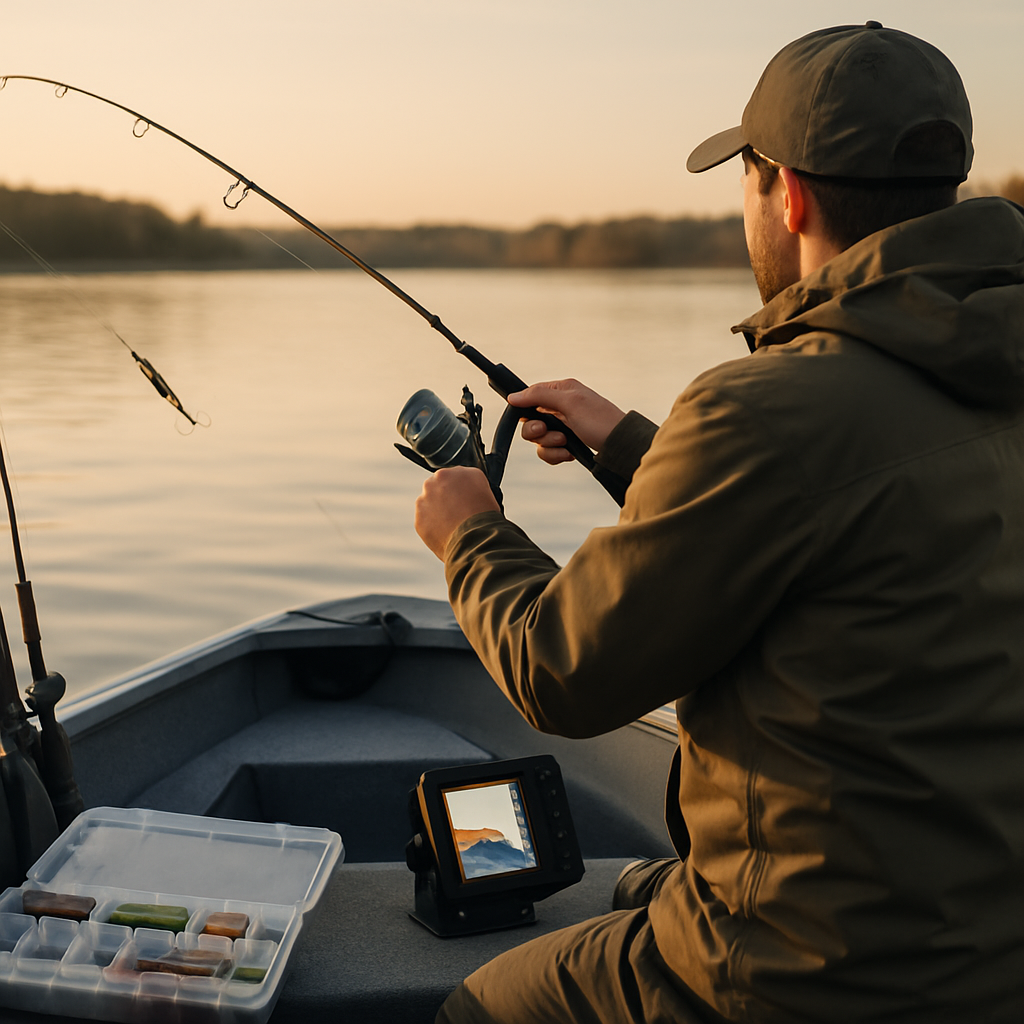
Modern electronics are a major advantage. A good sonar with down-imaging and side-imaging helps you locate schools of bait, arches, and the shape of the bottom. Mark waypoints on promising spots, note depths, and track how bait moves with different tides. When you return to a spot you marked earlier, you’ll know what to expect.
Tip: when you find baitfish on the sonar, slow down and pay attention. Predators often hover below or adjacent to bait schools. Also, current seams and tidal lines where water mixes are prime real estate; forage collects there and fish patrol those edges.
Presentation Basics
How you present your bait makes a huge difference. Presentations that are either too static or too aggressive often fail. Your goal is to keep the bait in the strike zone—close enough to tempt the fish, moving naturally, but not fouled up on the bottom.
Keep these rules of thumb in mind:
- Keep the bait just off the bottom unless you’re targeting species that lie flat and feed in the sand.
- Use subtle lifts and pauses; fish often strike on the pause.
- Match bait size to the forage and the season—larger baits in fall when fish bulk up, smaller baits in spring when they’re picky.
Finally: scent matters. In murky water or when visibility is low, fresher, oilier baits and chum can make a massive difference. In clear water, stealth and light tackle can outperform brute force.
Best Bottom Fishing Rigs and Baits for Different Species
Choosing the right rig is half the battle. Below is a practical guide to common rigs, the species they work best for, and go-to baits. Tweak these depending on local habits, water clarity, and current.
| Rig | Best For | Recommended Baits | Notes |
|---|---|---|---|
| Carolina Rig | Flounder, sea bass, snapper | Cut bait, squid, soft plastics | Keeps bait moving naturally just above the bottom; slow drifts work best. |
| Paternoster / Dropper Rig | Cod, haddock, pollock | Whole bait, strips, peeler crab | Covers several depth zones above the bottom; excellent on stronger drifts. |
| Fish Finder / Slip Sinker | Grouper, snapper, halibut | Live bait, large cut baits, squid | Very sensitive to subtle bites; ideal for cautious, structure-hugging fish. |
| High-Low (Two-Hook) Rig | Mackerel, flounder, mixed groundfish | Small fillets, squid strips, shrimp | Great for covering different strike zones; shorten droppers in current. |
| Bottom Bouncer / Bouncing Rig | Striped bass, walleye, sea trout | Soft plastics, jigs tipped with cut bait | Bounces slightly above bottom while covering ground; great for mobile fish. |
Rigging Tips and Knotwork
Good rigs start with solid knots and proper leader choices. Use quality swivels to prevent line twist, and tie either Uni-to-Uni for braid-to-braid or strong loop knots for leaders that give a little action to the bait. Always test knots under load before dropping into deep water—nothing kills a good day like a snapped connection.
Leader length matters. Too long and you get tangles; too short and the bait looks unnatural. In calm water, try 18–36 inches for Carolina-style setups. In current, shorten droppers to 6–12 inches to reduce tangle risk.
Choosing the Right Boat for Bottom Fishing: A Guide from ISSU Wildfish
Your boat choice shapes what you can fish for and how comfortably and safely you’ll do it. Consider where you’ll fish most: shallow bays, nearshore reefs, or the open ocean. Each environment favors different hulls and layouts.
Best Boat Types by Fishing Style
Here’s a quick rundown:
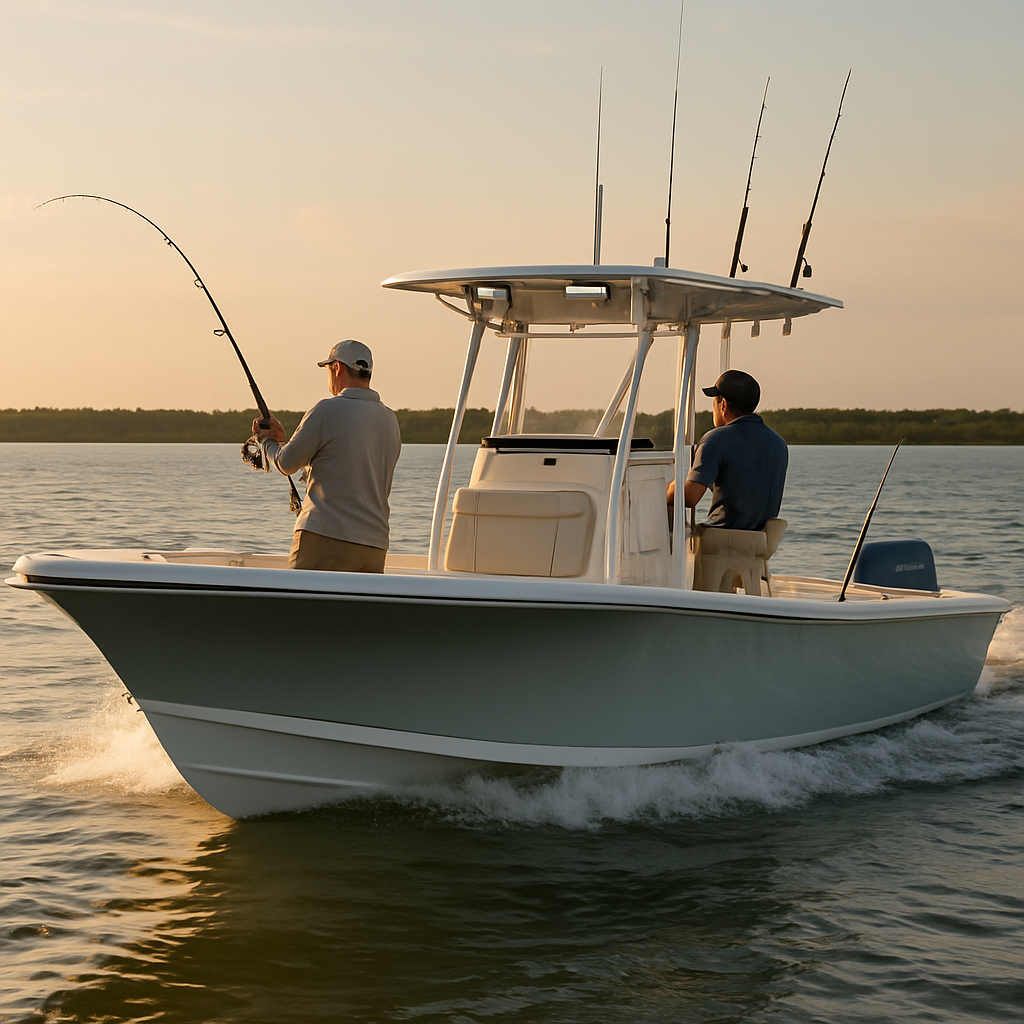
- Center console: A go-to for anglers who want versatility. You can run offshore, set up electronics, and move freely around the boat when fighting fish.
- Bay/Flats boats: Perfect for shallow-water bottom fishing where a skinny draft matters. They’re nimble and economical.
- Walkaround/Cuddy cabin: Offers shelter and storage for longer trips offshore. When the weather turns, a little cabin goes a long way.
- Skiff/John boat: Budget-friendly and great for rivers, estuaries, and very shallow water, but limited in rough conditions.
Must-Have Features
Whatever hull you choose, make sure the boat has:
- Reliable electronics—GPS, chartplotter, and a fishfinder with down/side imaging.
- Solid anchoring system—windlass for deeper water and heavy rodes for rocky bottoms.
- Ample rod storage and easy access to rod holders.
- Livewell or bait tank if you use live bait; nothing attracts fish like lively offerings.
- Stability for hauling larger fish and safe working room—an open deck is your friend.
One more practical note: if you plan to fish in rougher offshore conditions, choose a boat with a deeper-V hull and good freeboard. Comfort and safety equal more fishing time and less stress.
Deep-Water Bottom Fishing Tactics: Depth, Gear, and Retrieval
When you talk deep water—think 50 to 1,000 feet or more—the game changes. Gear gets heavier, patience matters, and electronics become indispensable. But the reward—big snapper, grouper, and other heavy hitters—is worth the extra prep.
Gear Essentials for Deep Drops
Don’t be stingy on gear here. Heavy rods with strong backbones and powerful conventional reels with high-capacity spools are the norm. Use braided mainline for minimal stretch and excellent sensitivity. Tie on a fluorocarbon leader for abrasion resistance and reduced visibility.
Line specs are situational: for structure fishing in 200–400 feet, anglers commonly run 50–100 lb braid with a 50–80 lb leader. For extreme depths or very big fish, bump those ratings as needed.
How to Work Deep Structure
- Drop to the bottom and feel the weight—then bring the bait up a foot or two. On many species, that subtle lift plus a pause will trigger a strike.
- Slow vertical jigging works when fish are tightly associated with wrecks or pinnacles—heavy jigs mimic distressed bait and can trigger aggressive bites.
- Bottom bouncing while drifting is great for covering ground and finding fish when marks are sparse. Keep weight just heavy enough to feel contact but light enough to allow some bounce.
When you hook up, keep steady pressure. On long runs to the bottom, use the pump-and-reel method: lift the rod, reel down on the lower motion, and repeat. It’s the classic way to exhaust big bottom dwellers without burning out gear or people.
Using Electronics and Interpreting Data
Sonar lets you see temperature breaks, bait balls, and fish arches. Note the depth of the thermocline—fish often hang near the edge of temperature layers. Down-scans can show whether fish are hugging structure or cruising above it. Mark everything. Waypoints let you return to productive spots, and a history of depth and temperature helps you refine your technique trip after trip.
Seasonal Bottom Fishing Techniques: Patterns by Location and Weather
Seasonality is huge. Fish move, feed patterns change, and what works in March often won’t in August. You can gain a big edge just by adjusting bait size, depth, and presentation with the seasons.
Spring
Spring sees many species moving into shallower water to feed and prepare for spawning. This is a great time for inshore bottom fishing. Fish can be picky after a lean winter; smaller, fresher baits and lighter leaders are often the ticket.
Summer
As water warms, fish may head deeper to cooler water. Focus on deeper ledges and channel edges. Early mornings and evenings typically produce more action. Inshore summer success often comes from targeting structure that holds cooler, oxygen-rich water.
Fall
Fall is arguably the best season for bottom fishing in many regions. Fish bulk up for winter and feed aggressively. Now’s the time for larger baits, more aggressive presentations, and covering ground—chumming can be particularly effective to keep fish around the boat.
Winter
Winter pushes fish deeper and slows metabolism. Slow presentations, smaller baits, and more sensitive gear will help you detect subtle bites. Stay safe: winter runs and storms are unforgiving, and your safety gear should be well maintained.
Weather, Tides, and Barometer Effects
Wind, tide, and barometric pressure all affect fish behavior. A steady barometer often encourages feeding. Sudden drops can shut fish down for a while; give them time to adjust. Tidal movement stirs bait life—many species feed most actively on incoming or outgoing tides. Use wind to your advantage to position for better drifts and to push bait into predictable channels.
Practical Tips, Gear Checklist, and Small Tricks That Make a Big Difference
Here are practical, field-tested tips that will save time and get you more bites.
- Always carry spare leaders, hooks, and sinkers. Snags will happen; be ready to change rigs quickly.
- Use circle hooks with live bait where legal—they improve landing rates and aid conservation by reducing gut-hooking.
- Keep a weather log and a trip log—record depth, bait, tide state, and bite times. You’ll be surprised how helpful this is six months later.
- Learn to feel the bottom on braided line—braid transfers bottom contact very well and helps you detect subtle changes.
- Keep bait fresh: a lively or fresh-smelling bait catches more fish. If you use cut bait, keep it in iced storage or use salted strips to extend life.
- Practice knot strength and inspection routinely. Knots fail more often than gear on the rod or in the reel.
Common Mistakes to Avoid
Even experienced anglers slip up. Watch for these repeating problems:
- Too much weight: heavy rigging can bury your bait or destroy its natural action.
- Poorly matched tackle: small reels on heavy rods, or vice versa, cause frustration and gear failure.
- Ignoring electronics: marks and waypoints serve no purpose unless you revisit them and learn from them.
- Not adjusting to changing tides: fish often change depth with incoming versus outgoing tides—don’t stay stubbornly anchored in the wrong zone.
FAQ — Frequently Asked Questions about Bottom Fishing Techniques
What is bottom fishing and why should I use these techniques?
Bottom fishing is the practice of presenting bait near or on the seafloor where bottom-dwelling species live and feed. Use these techniques because they put your bait in the fish’s zone—where food is abundant and predators ambush. When you read structure, match bait and rig to conditions, and manage your drift or anchor properly, you’ll catch more consistently than with random casts.
Which rigs are best for different bottom species?
There’s no one-size-fits-all, but a few rigs cover most situations: Carolina rigs for keeping bait just above the bottom; paternoster/dropper rigs for multiple hooks and column feeders; fish-finder/slip-sinker rigs for sensitive live-bait presentations; and high-low rigs to cover different depths. Match hook size and leader strength to species—lighter leaders and smaller hooks for picky spring fish, heavier setups for fall and big bottom dwellers.
How do I avoid snags when fishing structure or wrecks?
To avoid snags, use the minimum weight that still keeps contact with bottom and allow your rig to bounce or lift off on strikes. Use a sliding sinker setup (slip sinker) so the fish can pick up bait without feeling heavy weight. Watch your sonar and fishing line for changes in bottom contour, and don’t pitch directly into the thickest brush unless you’re ready to pull fish out of cover.
What baits work best for bottom fishing?
Live bait often wins—shrimp, small fish (pinfish, pogies), crabs depending on region. Fresh cut bait and squid are excellent alternatives and are easy to store. Match bait type and size to local forage: small bait for picky fish, larger offerings when fish are aggressively feeding, especially in fall. When visibility is low, use oilier, scent-rich baits or chum to draw fish in.
What gear do I need for deep-water bottom fishing?
For deep drops, you’ll want heavy rods with a good backbone, conventional reels with strong drags and lots of line capacity, braided mainline for sensitivity, and fluorocarbon or heavy monofilament leaders for abrasion resistance. Also bring heavy sinkers or specialized deep-water weights, and consider a downrigger or electric reel for very deep or slow vertical work. Electronics—good sonar and down-imaging—are essential for finding structure and bait.
How heavy should my sinker be?
Sinker weight depends on depth, current, and boat movement. In light inshore current you might use 2–6 oz; in stronger current or deeper water you’ll need much heavier—16 oz and up, or specialty deep-water bank or pyramid sinkers. Choose a weight that lets you feel bottom contact but still allows a natural bounce; if you need to plumb to the bottom quickly, increase weight temporarily, then reduce for presentation.
When is the best time or season to bottom fish?
It depends on species and location. Spring often brings fish into shallows to feed and spawn, so lighter baits and shallow structure work. Summer can push fish deeper into cooler water; early mornings and evenings are best. Fall is generally prime—fish feed heavily for winter and respond to larger baits. Winter fishing moves deeper and requires slower presentations and sensitive gear. Always check local patterns for your area.
How can I use my fishfinder to improve bottom fishing?
Your fishfinder shows bottom structure, bait schools, and thermoclines. Use down- and side-imaging to pinpoint ledges, wrecks, and boulder fields. Mark waypoints where bait or fish arches show up, and note the depth and temperature when fish bite. Adjust sensitivity to see both small bait and larger arches without clutter. Learning to interpret sonar will save you hours of guesswork.
Do I need a special boat to be successful at bottom fishing?
You don’t need the biggest boat—what matters is matching the boat to where you fish. For inshore flats and bays, a shallow-draft skiff or bay boat works great. For nearshore reefs and wrecks, a center console or walkaround with good electronics and anchoring is ideal. For deep-water trips, choose a seaworthy hull with good fuel range, stability, and room to handle heavy gear safely. Safety gear and electronics are non-negotiable regardless of boat size.
Are circle hooks better than J-hooks for bottom fishing?
Circle hooks often produce better mouth-hooking rates with live bait and make catch-and-release easier by reducing gut-hooking. They can change how you set the hook—most bites require a steady steady pressure and a sweep rather than an aggressive hook-set. For some targeting and tournament situations, anglers still prefer J-hooks for instant hookups, but circle hooks are recommended where conservation and higher landing rates matter.
Conclusion
Bottom Fishing Techniques are about observation, adaptation, and a little patience. Read the bottom, choose the right rig for the fish and conditions, use electronics to confirm what your eyes and hands suspect, and refine your approach with every trip. Whether you’re chasing flounder on a sunny estuary or grouper in deep, choppy water, the same principles apply: present a natural bait, be ready for the pull, and learn from the day. Go out informed, be prepared, and most importantly—enjoy the process. Tight lines from ISSU Wildfish, and may your next drop bring the bite you’ve been dreaming of.