Drift Fishing Strategies are more than a set of tricks; they’re a way of thinking on the water. If Du want to consistently put your bait in front of fish, save fuel, and enjoy calmer, more productive days afloat, this guide lays out the practical techniques, boat setups, lure choices, and safety habits that separate casual drifters from anglers who score day after day. Read on—by the time you finish, Du’ll have a clear plan for your next drift trip.
Essentials for Successful Drifts
When Du talk about Drift Fishing Strategies, Du’re talking about controlled presentation. That means using wind and current to move your boat while keeping your bait or lure in the strike zone as naturally as possible. It sounds simple, but doing it well requires planning, the right rigs, and the patience to adapt mid-drift.
When Du refine your Drift Fishing Strategies, it helps to cross-reference other proven methods. Study Bottom Fishing Techniques to master how to keep baits on the bottom without snagging, and visit the Effective Fishing Techniques hub to pick up tips that translate directly to drift scenarios. If Du need to cover water or add a parallel approach, check out Trolling Techniques for Boats, since blending drifting with short trolling bursts can help Du locate and stay on productive fish schools during a long day on the water.
Pre-drift planning
Good drifts start before Du ever push off. Take time to scout the water visually and on your electronics. Where are the seams between fast and slow water? Where do the contours change? Which tide or river stage is running right now? The answers shape the entire drift.
- Mark potential lines on your GPS: points, drop-offs, and the mouths of feeder creeks.
- Check wind direction and strength—wind commonly dictates the drift path, especially on open water.
- Note the tide or river stage timing. Fish feed differently on incoming vs. outgoing flows.
- Pick realistic start and pickup points so Du minimize unproductive motors and maximize fishing time.
Drift mindset and technique
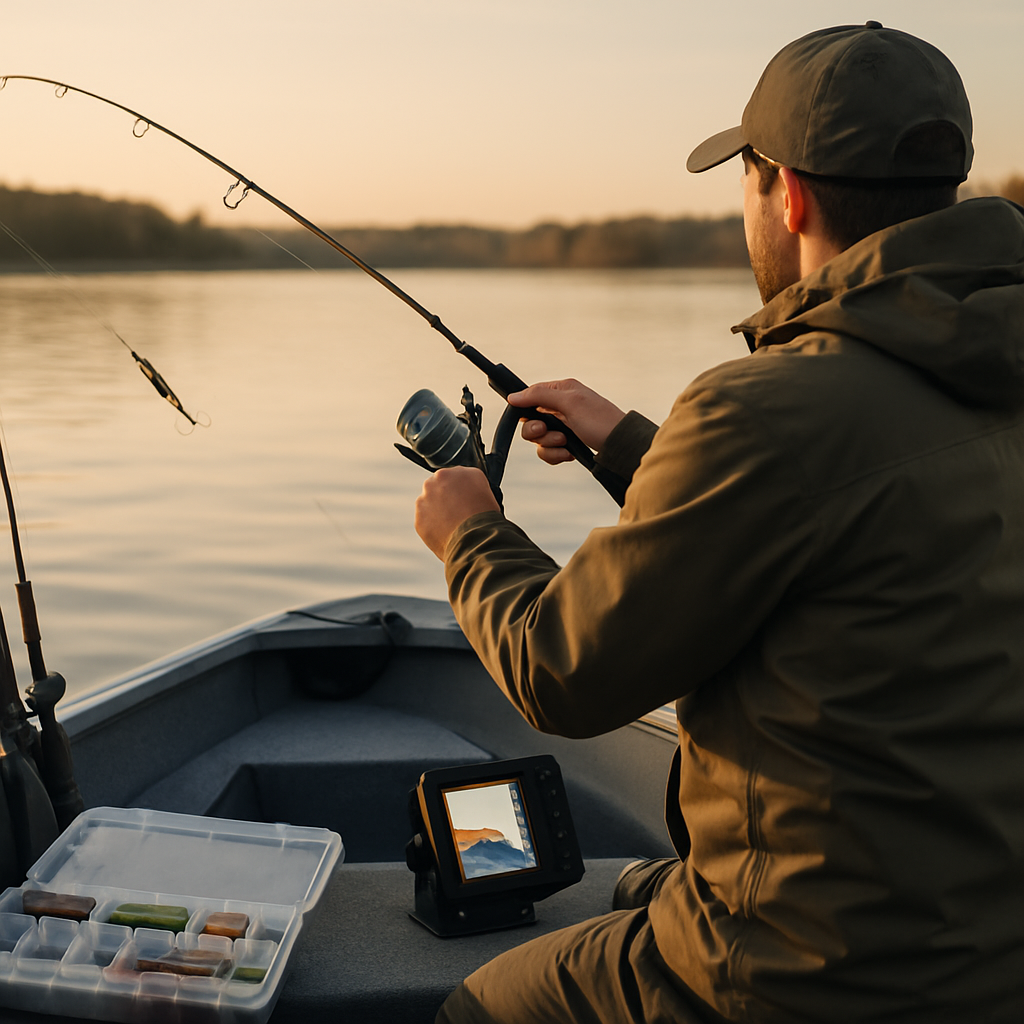
Patience and observation are your two best tools. Keep rods in the water, and watch both line and water for subtle signs of interest: a slight tap on your line, a swirl, or a sudden change in how your lure moves. Don’t overreact—often the fish takes and holds for a beat before committing. Let the presentation do the work.
Core rigs and presentations
Your rig choices should help your bait stay in the strike zone, look natural, and resist getting snagged. Here are core setups used across many Drift Fishing Strategies:
- Slip-sinker/Running Sinker: Lets fish take freely while giving you weight to hold bottom in current.
- Carolina Rig: Keeps soft plastics off bottom with a natural swing—good on points and drop-offs.
- Bottom Bouncer with Dropper: Classic for walleye and other bottom-oriented feeders; maintains depth and avoids snags.
- Float rigs and split-shot: Suspend live bait at precise depths in current seams.
- Jigs and soft plastics: Versatile for vertical or cast-and-drift presentations—vary the cadence to match current flow.
Choosing the Right Drift Boat Setup for Effective Drift Fishing
Your boat is not just transport—it’s your platform for executing Drift Fishing Strategies. The right layout and tools let Du control drift speed, cover water efficiently, and stay comfortable through long sessions.
Boat types and when to use them
Different waters call for different vessels. Pick one that matches where Du fish most often.
- Drift boat / river dory: Built for rivers—easy to control in current and great for drifting seams and runs.
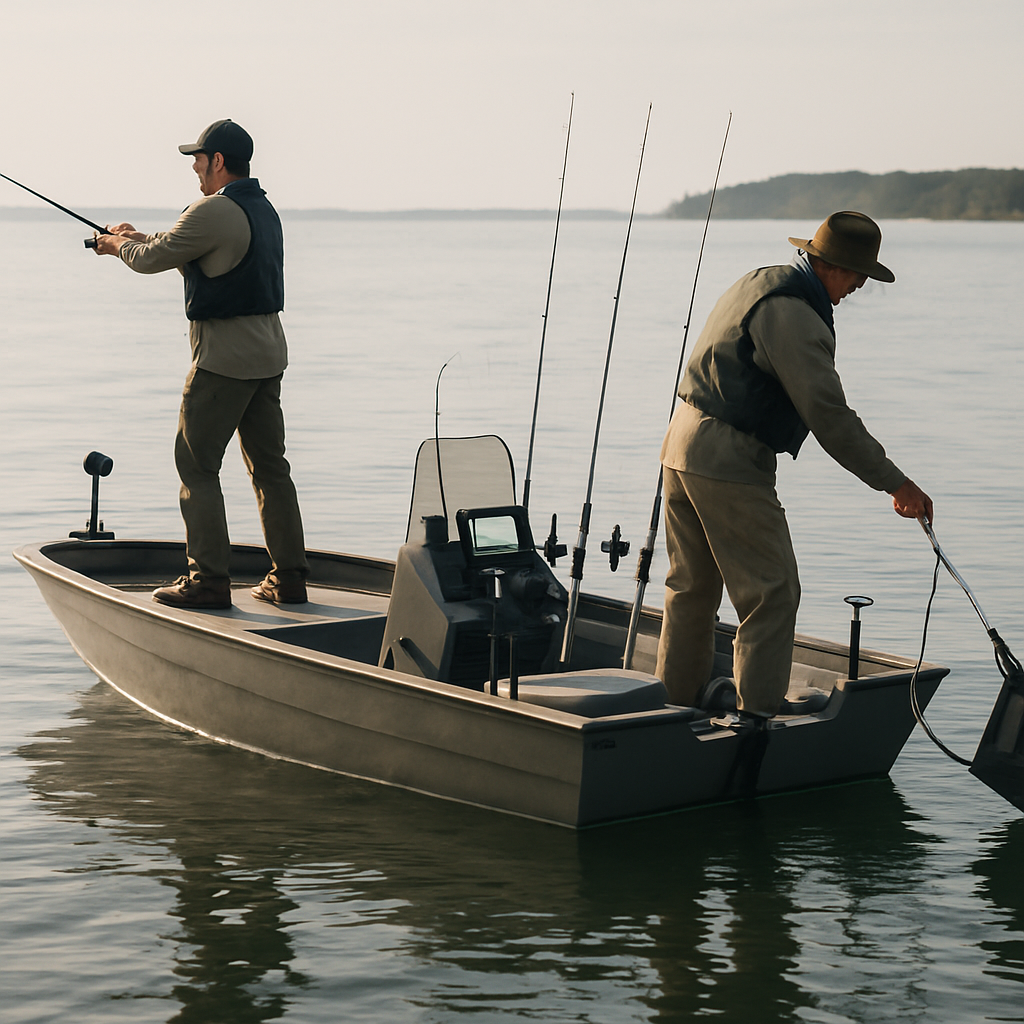
- Jon boat: Stable, roomy, and perfect for lakes or calm bays where Du’ll fish multiple rods or cast frequently.
- Skiff / bay boat: Shallow draft and quiet operation make these ideal for inshore tidal drifts.
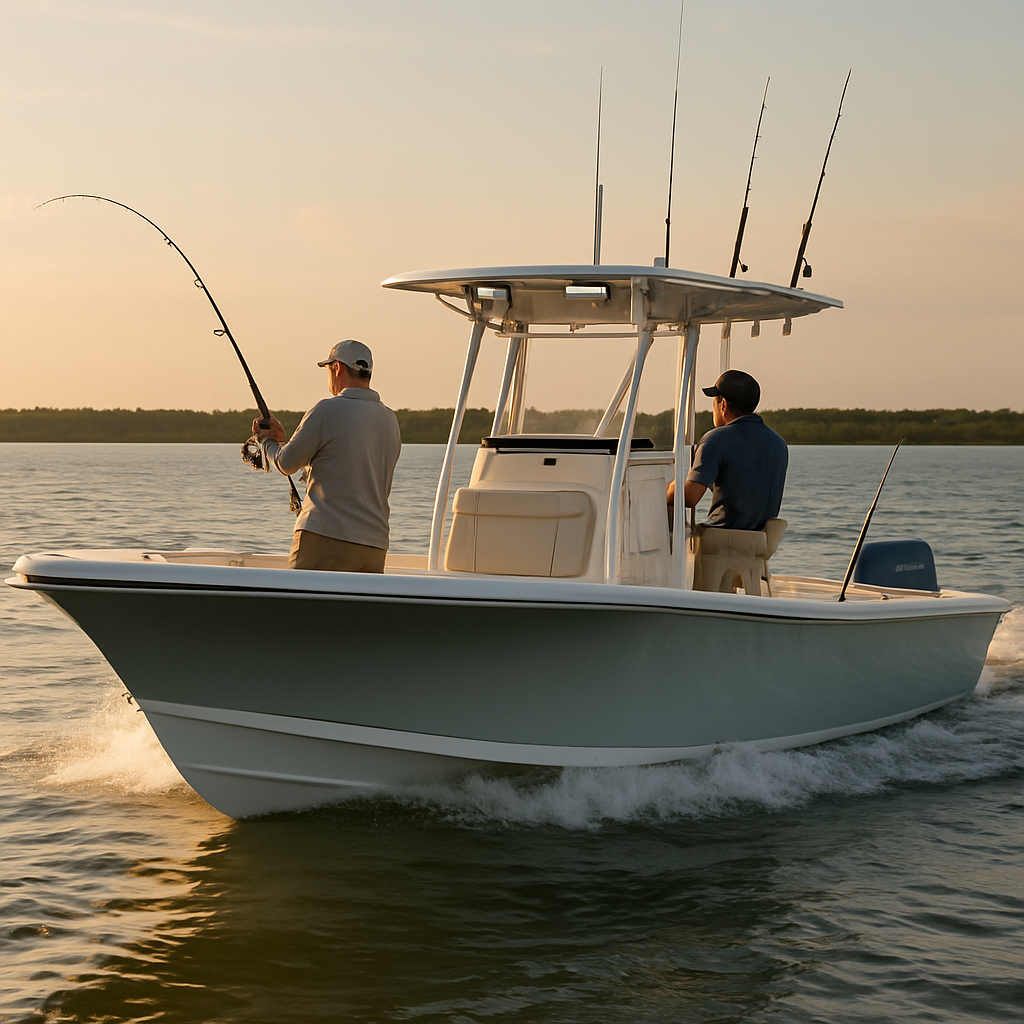
- Center console / walkaround: Better for larger water and offshore inshore drift where electronics and casting space matter.
Essential equipment and layout
Small additions make a big difference in how well Du execute Drift Fishing Strategies.
- Reliable outboard: For positioning and quick repositioning between drifts; trim matters for idle drift speed.
- Trolling motor or oars: For quiet, precise corrections without revving the main motor.
- Drift sock / sea anchor: Slows drift and increases control—especially useful on windy days.
- Rod holders and casting stations: Keep the deck organized and let Du run multiple presentations at once.
- Electronics: GPS to mark productive drifts; fishfinder to identify depth and structure.
- Livewell and bait storage: Keep live bait vigorous with aeration and temp control.
Practical setup tips
Balance is underrated. Weight placement changes how your boat rides and how predictable the drift becomes. Keep heavier items centralized and be mindful of where anglers stand—motion affects drift behavior.
- Create a clear casting lane up front by using a pedestal seat or removing obstructions.
- Space rod holders to avoid line tangles; stagger them by height or position.
- Store gear in compartments to keep the deck tidy and safe—less clutter equals fewer snags and quicker reaction times.
Lure Selection and Baiting Techniques for Drift Fishing
Perhaps the most tactical piece of any set of Drift Fishing Strategies: what Du put on the end of your line. The right bait or lure, presented convincingly, can transform an otherwise slow drift into a steady stringer of bites.
Live bait vs. artificial lures
Both have places in Drift Fishing Strategies. Use live bait where scent and natural movement matter most. Use artificials when Du need to cover ground, imitate local forage, or avoid the hassle of live wells.
- Live bait: Minnows, shrimp, leeches—hard to beat in pressured waters or when fish are keyed to a specific forage.
- Cut bait: Great for catfish and certain saltwater species because it releases scent and oils.
- Artificial lures: Spoons, jigs, plastics, small plugs—excellent when Du need to adapt presentation color, weight, or action quickly.
Lure choices by species and presentation
Match the lure to the species and the way Du’re drifting.
- Trout and salmon: Small spoons, drift plugs, or floats with egg/scent—keep it light and natural in clear water.
- Walleye: Bottom bouncers with a jig or crawler harness in deeper runs; slow, measured presentation is key.
- Bass: Soft plastics on Carolina rigs or weightless rigs near structure; cast across seams and let current move the bait.
- Catfish: Heavy sinkers and robust hooks with cut or stink baits on the bottom.
- Inshore saltwater: Soft plastics on jig heads, live shrimp on popping corks, or unweighted swimbaits for natural drift action.
Baiting and hook techniques
How Du hook live bait matters. Hook too tightly and it dies; too loose and it falls off. Consider these quick tips:
- Hook minnows through the back near the dorsal fin for a natural swimming action; through the lips when Du need them to face forward.
- Use circle hooks when catch-and-release or boat regulations favor them—let the fish take the bait and steadily pull to set.
- Match hook size to bait: too large ruins presentation, too small means fewer solid hookups.
Reading Water: Weather, Currents, and Drift Speed for Better Results
Understanding water dynamics is at the heart of great Drift Fishing Strategies. Fish use currents to feed; seams, eddies, and transition zones concentrate bait and create ambush points. Learn to spot those features and your success rate will climb.
How wind affects the drift
Wind can be friend or foe. A steady crosswind often creates excellent drifts along drop-offs and shorelines by pushing Du parallel to structure. Too much wind? Deploy a drift sock to slow your boat and keep baits in the zone longer.
Interpreting current and structure
- Seams where fast water meets slow water are feeding highways—drift those lines repeatedly.
- Depth breaks, points, and bars funnel baitfish—run parallel drifts across these features at varying depths.
- In rivers, target inside bends, eddies, and the tailouts of pools—fish live there to conserve energy and ambush prey.
- On tidal waters, fish incoming tide edges and look for staging areas near structure on the outgoing tide.
Drift speed and line control
Drift speed is not one-size-fits-all. A general guideline helps, but always be ready to adapt:
- Slow drifts (0.3–0.6 mph): Best for delicate, natural presentations—ideal for trout and picky salmon.
- Moderate drifts (0.6–1.2 mph): Great for jigs, spoons, and many walleye tactics.
- Faster drifts (>1.2 mph): Require heavier rigs; may be suitable with bouncers or trolling-style lures.
Use drift socks, motor trim, or brief motor bursts to tune your speed. Electronic line counters, downriggers, or marked rods help keep bait at the depth that produces bites.
Safety, Gear, and Boat Equipment for Drift Fishing Adventures
Drift fishing puts Du in moving water and sometimes in remote spots, so safety and preparedness are part of any solid set of Drift Fishing Strategies. Don’t cut corners.
Essential safety kit (minimum)
- Coast Guard–approved life jackets for everyone aboard—wear them in rough conditions or cold water.
- Throwable flotation device.
- VHF radio or reliable mobile phone in a waterproof case.
- Fire extinguisher, signaling horn/whistle, flares, and a bright flashlight.
- First aid kit with supplies for cuts, hook extraction, and hypothermia treatment.
- Kill switch lanyard for the motor and basic engine tools.
Gear checklist for drift fishing
| Item | Why it matters |
| Drift sock / sea anchor | Slows and stabilizes drift, keeping baits in play longer. |
| Trolling motor / oars | Quiet, precise adjustments without using main motor. |
| Fishfinder / GPS | Find structure, mark productive drifts, navigate safely. |
| Rod holders & tackle organization | Prevents tangles and allows multiple tactics at once. |
| Livewell / aerator | Keeps bait healthy and effective for longer drifts. |
On-water communication and procedures
Set roles before Du launch and keep language simple and direct when a fish hits. Short cues—“Set,” “Hold,” “Net”—save time and reduce mistakes. Have an emergency plan: who calls for help, how to secure a fallen angler, and where the first aid kit is located.
Weather and hypothermia risks
Cold water kills fast. Dress in layers, bring waterproof clothing, and keep spare dry clothes in a sealed bag. If someone goes overboard, get them out of the water, remove wet clothing, and insulate with blankets while Du seek help.
Practical Drift Fishing Workflow: Step-by-Step
Turn these Drift Fishing Strategies into a repeatable routine so Du can focus on fishing instead of improvising.
- Plan your drift route using charts, tide tables, and sonar marks.
- Launch and position upwind/up-current of your intended start point.
- Deploy drift sock if needed, or prepare to fine-tune with the trolling motor.
- Deploy bait or cast lures; maintain line in water and monitor depth and drift speed.
- Watch for signs—line taps, swirls, or fish following—and respond with practiced hook sets and netting techniques.
- End drift at your pickup point, note what worked, and reposition for another pass. Repeat and refine.
FAQ — Common Questions About Drift Fishing Strategies
What exactly is drift fishing and how does it differ from trolling?
Drift fishing is letting the boat move naturally with wind or current while presenting bait or lures passively or with minimal action, aiming for natural presentation in feeding lanes. Trolling, by contrast, deliberately moves the boat at a set speed to pull lures through water to cover ground. Often Du’ll blend the two—drift to stay quiet over structure, then use short trolling bursts to relocate or cover more water.
What drift speed should I use for different species?
Drift speed depends on bait type and species. As a rough guide: slow drifts (0.3–0.6 mph) for trout and picky salmon; moderate drifts (0.6–1.2 mph) for walleye and general jigging; faster drifts (>1.2 mph) need heavier rigs or bouncers. Start slow, watch bite frequency, and tweak speed—often a little change makes a big difference.
How do I set up my boat for the best drift control?
Balance weight fore and aft, set up a clear casting station up front, and carry a drift sock or sea anchor for wind control. A trolling motor or oars let Du make silent corrections. Use GPS to mark lines and a fishfinder to find depth changes and structure that consistently hold fish.
What are the best rigs for bottom-oriented species like walleye and catfish?
For walleye, a bottom bouncer with a dropper and jig tipped with a minnow or leech is a proven setup. For catfish, heavier slip-sinker rigs with cut bait and stout hooks work well. In both cases, match sinker weight to current so bait stays in the zone without being dragged unnaturally.
Should I use live bait or artificials when drift fishing?
Both are effective. Live bait often wins in pressured or scent-driven scenarios; artificials let Du cover water and mimic local forage with little maintenance. Try both—if bites are few on lures, switch to live bait and vice versa. Mixing presentations on different rods is a great way to test quickly.
Do I need a drift sock, and how do I use it?
A drift sock is one of the most useful tools for drift control. It slows and stabilizes the boat, making presentation more natural and reducing the need for constant motor trimming. Deploy off the stern in windy conditions and trim line until Du hit the desired speed—think of it as cruise control for your drift.
How do I read seams, eddies, and current breaks effectively?
Seams where fast water meets slow water concentrate bait and are prime ambush spots. Look for surface differences, floating debris lines, or changes in ripple patterns. Drift along these seams at different depths—fish will often sit just behind the fast water where prey is funneled.
How can Du keep live bait healthy on long drifts?
Use an aerated livewell or insulated bucket with continuous aeration. Shade livewells if possible, monitor water temperature, and swap water if it gets warm. Healthy, lively bait swims more naturally and produces more hookups.
Is it safe to drift fish alone?
Solo drifting can be done, but it increases risk. Always tell someone your plan, carry a VHF radio or reliable phone in a waterproof case, and wear a PFD. If conditions get rough, it’s smarter to head for shore. Safety gear and a practiced emergency plan matter more than a single extra rod.
How do currents and tides change which tactics work best?
Incoming tides often push bait into shallows and along structure—great for ambush predators—while outgoing tides can pull fish into deeper holding areas. In strong currents, heavier rigs are needed to maintain presentation; in slack water, lighter, subtler baits often win. Time your drifts to the tide stage and target the edges where currents change.
Drift Fishing Strategies reward anglers who think ahead, adapt fast, and respect the water. By combining sound planning, proper boat setup, the right rigs, and a focus on safety, Du can turn ordinary days into productive outings. Try one new tweak each trip—change your drift speed, swap live bait for an artificial, or reposition slightly off the seam—and keep a short log of what works. Over a season, those small improvements compound into consistently better fishing.
Ready to test these strategies? Grab your gear, mark a few likely drift lines on your GPS, and see how just one smarter drift can change your day. If Du want, tell me where you fish and what species you’re after—Du’ll get a tailored drift plan that fits your waters and your style.