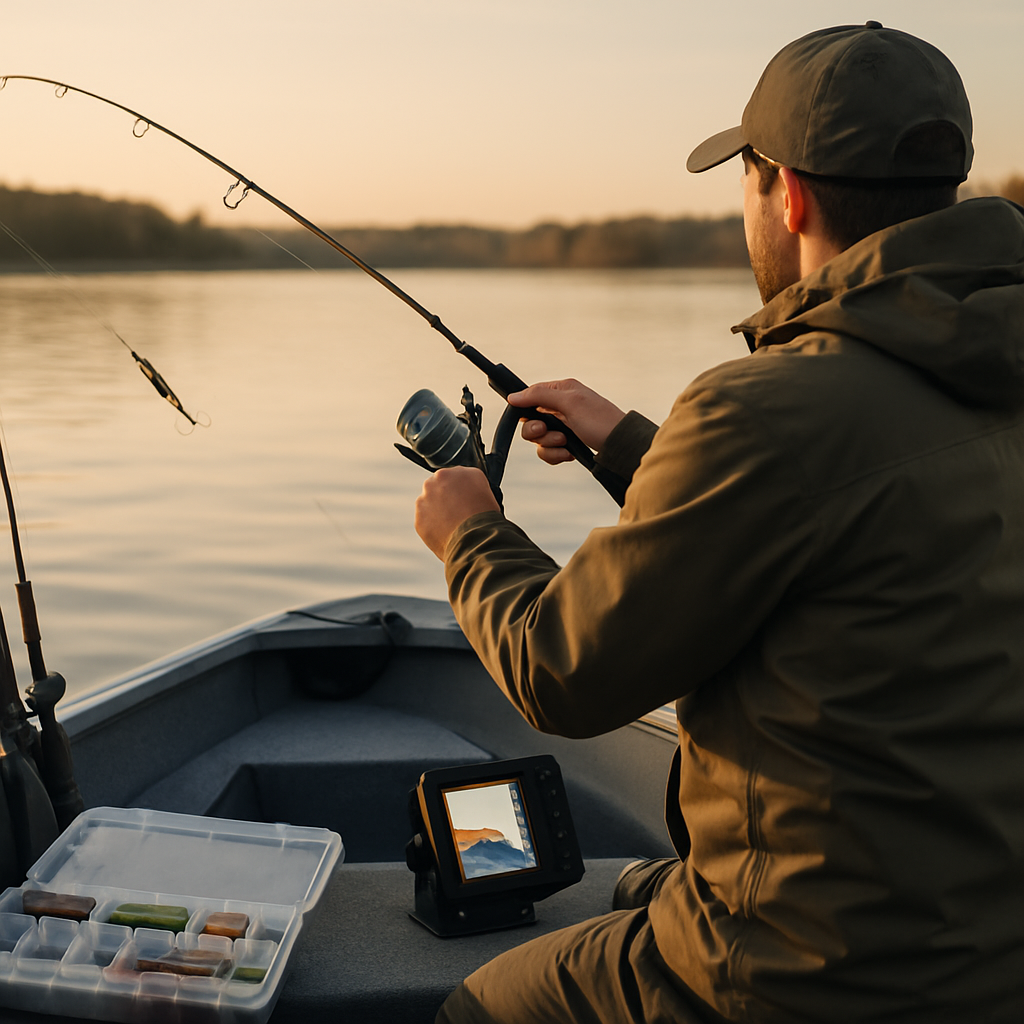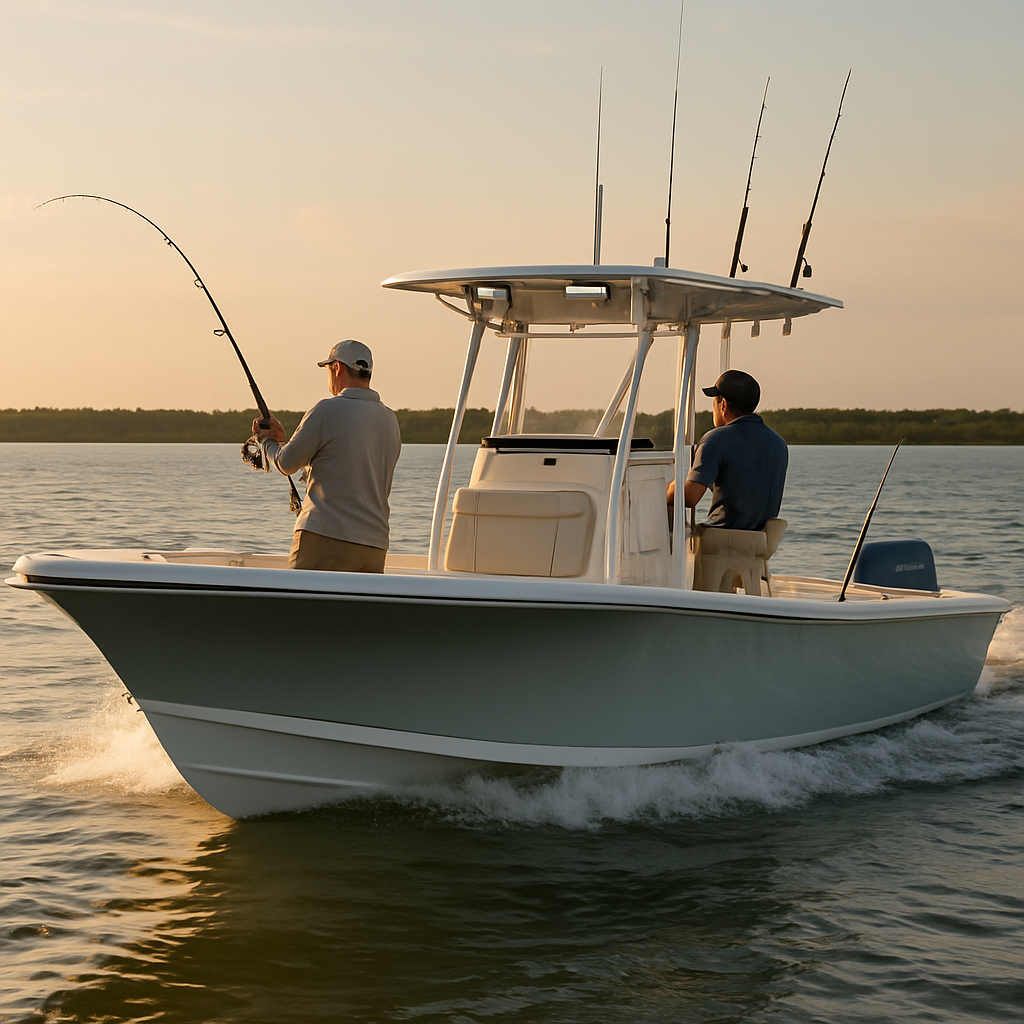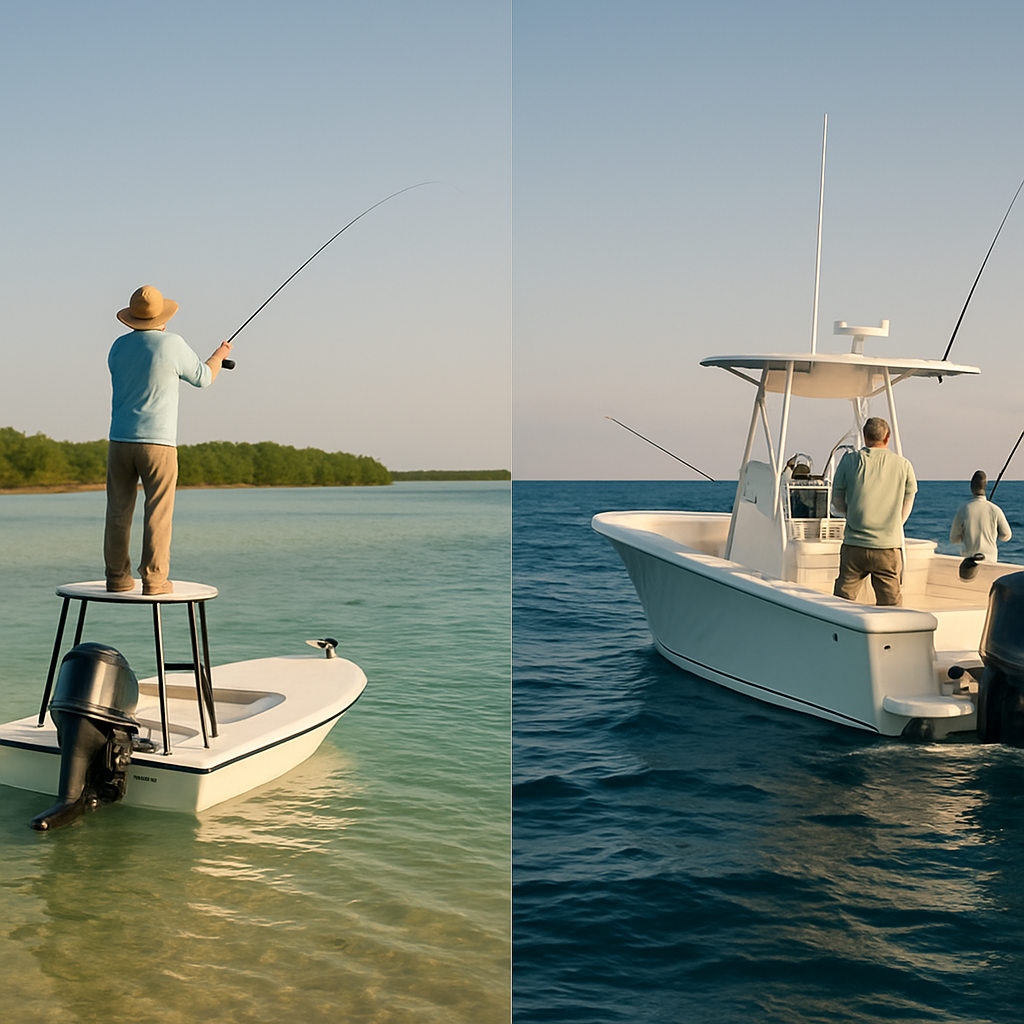
Imagine stepping onto a boat that feels like it was built just for the kind of fishing you do: the right hull for the seas you brave, the gear lined up exactly where your hands expect it, and the confidence that you’ve made the best choice for your time and money. That’s what this guide is about. If you’re weighing Offshore vs Inshore Fishing Boats, you’re in the right place—ISSU Wildfish helps you cut through the noise so you can pick a boat that keeps you fishing more and worrying less.
Offshore vs Inshore Fishing Boats: How ISSU Wildfish Helps You Decide
When you want concrete model recommendations rather than vague advice, our hands-on roundups make it easy to compare realistic options. For a curated look at proven platforms across sizes and budgets, take a close look at our Best Boats for Fishing guide, which lays out pros and cons, real-world performance notes, and who each boat is best suited for. That overview helps you avoid buyer’s remorse and match capability to need.
Picking the right hull and layout often starts with understanding the basic boat types anglers use most. If you’re trying to match style of fishing to boat platform, our piece on the Best Boat Types for Angling explains practical differences—skiff, bay boat, center console, and sportfisher—so you can quickly see which categories align with your fisheries, crew size, and maintenance appetite before you dive into model-level research.
Not every angler needs a deep-V or center console; some prefer roomy, stable decks and a relaxed ride for family days and freshwater trips. If that sounds like you, consider the merits and limitations of pontoons through our dedicated review, Pontoon Boats for Fishing, which covers outfitting, fishing convenience, and the kinds of waters where pontoons shine. That helps you decide if a pontoon is a serious candidate or just a fun alternative.
Ask Yourself the Right Questions
- Where do you fish most often—estuaries, flats, nearshore shelf, or bluewater?
- Which species are your priority—flats species, coastal reef fish, or pelagics like tuna and marlin?
- How many people normally come with you? Gear and passengers change layout needs.
- Will you trailer the boat, or is a slip/marina more realistic?
- How much can you realistically spend on purchase and ongoing costs (fuel, maintenance, moorage)?
Answer honestly. If you fish shallow flats most weekends, an offshore-ready sportfisher isn’t just overkill—it’s a long-term regret waiting to happen. Conversely, if your dream is to reach productive offshore grounds 30+ miles out, a small skiff won’t cut it.
Design Essentials for Offshore and Inshore Boats: Hulls, Range, and Stability
Boat design is where trade-offs live. Hull shape, draft, freeboard, and systems determine performance, safety, and comfort. Let’s break down the essentials so you know what to look for when you shop or spec a boat.
Hull Types and Deadrise
In simple terms, deadrise is the angle of the hull’s bottom at the transom. It’s a big deal.
- Deep-V hulls: High deadrise slices through waves for a smoother ride offshore. Expect a stiffer ride at rest and more draft.
- Modified V / Semi-V: Good middle ground—better ride than a flat-bottom, with more stability at rest than a deep-V.
- Flat-bottom / shallow V: Ideal for skinny water. They plane easily and are efficient at low speeds but pound in choppy seas.
Freeboard, Bow Height, and Protection
Offshore boats usually have higher bows and more freeboard to keep you drier and safer in green water. Inshore craft keep a lower profile to make sightcasting and boarding easier—very handy when you’re poling through skinny water or hopping from a dock.
Range, Fuel Capacity, and Redundancy
Range isn’t just miles—it’s peace of mind. Offshore outfits typically include larger fuel tanks and sometimes twin engines for redundancy. If you plan multi-hour runs to reefs or wrecks, factor in reserve fuel and the benefits of dual propulsion. For inshore boats, smaller tanks and single outboards are more efficient and cheaper to run.
Stability and Weight Distribution
Whether you’re standing up to sight-cast or fighting a big fish, stability matters. Offshore designs emphasize reserve buoyancy and self-bailing cockpits. Inshore boats focus on lateral stability at low speeds and features that support poling and casting platforms.
Must-Have Equipment for Offshore Fishing Boats: Tips from ISSU Wildfish
Out on the blue, you get one chance to fix things before they become problems. Equip your offshore rig with redundancy, safety, and fishing tools that are built to last.
Navigation and Communications
- Chartplotter with updated charts (paper backups never hurt).
- VHF radio with DSC for quick distress calls.
- AIS to help see and be seen in busy lanes.
- Consider satellite communication devices (PLB, satellite phone, or messaging terminal) when you go beyond VHF range.
Redundancy: Engines, Batteries, and Electronics
Dual engines are common offshore because they reduce the risk of being stranded. Multiple battery banks with an automatic charging system and spare batteries for critical gear are must-haves.
Safety Systems and Gear
- EPIRB or PLB for true offshore security.
- Well-maintained life jackets and appropriate flotation.
- Life raft for trips that keep you far from land for long stretches.
- Flares, signaling mirrors, and a comprehensive first-aid kit (include trauma supplies).
- Fire extinguishers and an accessible emergency bilge pump.
Fishing-Specific Equipment
- High-quality outriggers, rod holders, and tuna tubes if you target pelagics.
- Robust livewell systems and reliable macerators for big baitfish.
- Top-tier sonar—CHIRP, down-imaging, and side-scan help you find and stay on structure.
- Deck hardware: reinforced cleats, strong anchors, and secure tackle storage.
Practical tip: build your offshore kit in layers—start with communication and safety, then add redundancy, then fishing luxuries. You’ll sleep easier knowing the crucial gear is in place.
Inshore Fishing Boats: Versatility, Maneuverability, and Comfort
Inshore boats are the workhorses for anglers who love backcountry bays, flats, and nearshore reefs. They’re nimble, efficient, and often cheaper to own. But they come in many flavors—skiffs, bay boats, small center consoles—each with a particular strength.
Shallow Draft and Lightweight Builds
Aluminum skiffs and composite flats boats let you get into water that scares larger boats away. A shallow draft means more access, whether you’re poling or sneaking through a mangrove tunnel.
Maneuverability and Fishing Layout
Features that matter for inshore fishing: elevated poling platforms, quiet running (so you don’t spook fish), comfortable casting decks, and easy access to bow and stern. If sight-fishing is your jam, prioritize a layout that lets you stand and cast without tripping over gear.
Comfort Without Complexity
You don’t need a head or massive electronics to have a great inshore boat. Shade (T-tops or Bimini), simple sonar, a VHF, plug-in livewell, freshwater washdown, and decent seating usually get the job done—and keep the maintenance low.
When Inshore Wins
If your fishery is redfish, speckled trout, snapper inshore, or bonefish and tarpon on flats, an inshore boat gives you better access, lower running costs, and more days on the water for the same budget.
Cost, Maintenance, and Longevity: Offshore vs Inshore Boat Ownership
Let’s be blunt—boats cost more than the sticker price. Fuel, insurance, maintenance, storage, and upgrades add up. Here’s a practical breakdown so you can budget like a pro.
| Category | Offshore Boats | Inshore Boats |
|---|---|---|
| Purchase Price | Higher: larger hulls, multi-engine setups, heavy electronics | Lower: smaller hulls, single outboard, simpler systems |
| Fuel Costs | Significantly higher: longer runs and bigger engines | Lower: short trips and efficient engines |
| Maintenance Complexity | Higher due to corrosion control, electronics, and multiple engines | Simpler: single engine upkeep, easier winterizing |
| Storage & Mooring | Costlier slips or larger haul-out facilities | Often trailerable—more storage and launch flexibility |
| Longevity | Long-lived when well-maintained; heavy builds can last decades | Also durable; aluminum skiffs can be nearly indestructible |
Money tips: calculate yearly operating cost, not just the purchase price. For offshore boats, fuel and systems maintenance can double or triple your annual outlay compared to a small inshore skiff. But if your fishing requires range and comfort, those costs are just the price of doing the work safely and efficiently.
Safety and Best Practices for Offshore and Inshore Adventures
No flashy gear or trophy picture is worth risking a bad outcome. Safety starts before you untie the dock line and continues until you’re unloading the catch at the pier. Here’s how to cover your bases.
Pre-Departure Routine
- Check the weather and marine forecasts—then check again.
- Leave a float plan with someone ashore: route, ETA, occupants, and contact info.
- Run a systems check: engines, fuel, batteries, bilge pumps, navigation, and communications.
Essential Safety Gear
- Life jackets for everyone—wear them in rough conditions.
- EPIRB/PLB for offshore trips beyond reliable VHF range.
- Current flares, signaling devices, and a robust first-aid kit.
- Fire extinguishers by the engine and galley areas.
Onboard Practices That Save Trips
- Practice man-overboard drills with your crew regularly.
- Keep a proper lookout and manage fatigue on longer runs.
- Maintain balanced stowage—avoid shifting loads that compromise stability.
- Plan fuel with margin—return with at least 20% in offshore runs.
Inshore-Specific Notes
Shallow water can be unforgiving. Know local channels and tides, carry a shallow-water chartplotter, and keep a shallow-draft anchor and paddles or a poling setup for emergencies.
Offshore-Specific Notes
Redundancy is king offshore: backup comms, spare parts, and crew trained in emergency procedures can make the difference between a safe return and a disaster. Carry a survival kit with water, food, thermal protection, and signalling tools.
How to Decide: A Practical Checklist from ISSU Wildfish
- List the fisheries you’ll visit most—score them by frequency.
- Estimate how many passengers and how much gear you carry on a typical trip.
- Match hull type to sea conditions and draft needs.
- Set a realistic total budget including fuel, insurance, maintenance, and storage.
- Prioritize safety equipment according to your maximum range from shore.
- Inspect used boats carefully: check engines, corrosion, transom integrity, and electronics.
- If undecided, charter both types for a day—experience reveals more than specs.
One practical trick: create a “use matrix.” List activities (sight-fishing, trolling, long-range trips, family days), then mark how often you expect to do each. The matrix quickly shows whether inshore, offshore, or a versatile center console makes the most sense.
Frequently Asked Questions
How do I choose between offshore and inshore fishing boats?
Start with where you fish most often and who you bring. If you spend most weekends on shallow flats, you want shallow draft, quiet running, and a layout optimized for sightcasting—an inshore skiff or bay boat fits. If your trips regularly go 20–50+ miles offshore and you need range and comfort in rougher seas, choose an offshore-capable boat with deeper deadrise, larger tanks, and redundant systems. Think in terms of use, not aspiration: the right boat is the one you’ll actually use most.
Can one boat handle both offshore and inshore fishing effectively?
Yes, some center consoles and mid-size general-purpose boats can handle both, but expect compromises. You’ll give up some shallow-water access and efficiency for offshore capability, and vice versa. If you split time evenly between fisheries, look for a versatile center console with moderate deadrise, decent draft for nearshore runs, and removable features for shallow-water days. Renting both types first is a smart way to decide.
Are twin engines necessary for offshore fishing?
Twin engines are highly recommended offshore because they provide redundancy and often improve handling and safety. If one engine fails far from shore, the other can get you home. For short nearshore runs or sheltered waters, a single reliable outboard is usually fine. Match engine choice to your typical trip length and how remote your fishing spots are.
What safety gear is essential for offshore trips?
At a minimum: properly fitted life jackets, an EPIRB or PLB, VHF with DSC, paper charts and a reliable chartplotter, flares, and a comprehensive first-aid kit. For longer trips carry a life raft, survival suits if in cold water, extra water and rations, and redundant communications like a satellite messenger. Practice using the gear—knowing how to deploy it is as important as having it onboard.
How much more does it cost to run an offshore boat versus an inshore boat?
Expect offshore boats to cost significantly more to run—fuel, insurance, maintenance, and electronics upkeep add up. Fuel consumption alone can be several times higher depending on engine count and distance traveled. Also factor in higher slip or storage fees for larger boats. A realistic budgeting approach is to estimate yearly fuel use, maintenance (including corrosion control), and marina costs before you buy.
Are pontoons good for fishing?
Pontoons can be great for relaxed freshwater fishing, family outings, and stable platforms for casting. They aren’t ideal for rough coastal waters or long offshore runs, but modern pontoon designs with fishing packages offer livewells, rod storage, and stable decks. If most of your fishing is on lakes, slow-moving rivers, or protected bays, a pontoon might make a lot of sense—just don’t expect bluewater performance.
What electronics should I prioritize on my first boat?
Start with a dependable chartplotter/GPS and a quality fishfinder/sonar. Add a VHF with DSC for communication and, offshore, consider AIS and a satellite messenger. Don’t overbuy initially—get core navigation and fish-finding tools, then add specialty tools like side-scan or radar as your needs and budget grow.
How can I minimize corrosion and extend the life of my boat?
Regular flushing of engines, checking and replacing sacrificial anodes, using corrosion-inhibiting sprays on electrical connections, keeping electronics dry, and professional winterization all help. For saltwater use, rinse the boat after every trip, service through-hull fittings regularly, and have a corrosion-control plan. Preventative maintenance saves money and headaches over time.
Which boat types are best for specific game fish?
For sight-fished flats species like bonefish or permit, use a shallow-draft flats skiff. For inshore species like redfish or trout, bay boats and center consoles work well. For pelagics and big-game like tuna and marlin, choose an offshore sportfisher or capable center console with range and fighting gear. Our guides on boat types and model recommendations can help you match species to platform.
Offshore vs Inshore Fishing Boats isn’t just a keyword—it’s a decision that shapes your fishing life. Pick a boat that reflects where you fish, who you bring, and how much time and money you want to spend. If you want tailored model recommendations, gear lists, or setup checklists for your local fishery, ISSU Wildfish has detailed reviews and hands-on guides ready to help. Make the smart choice once, and you’ll spend years enjoying the results.