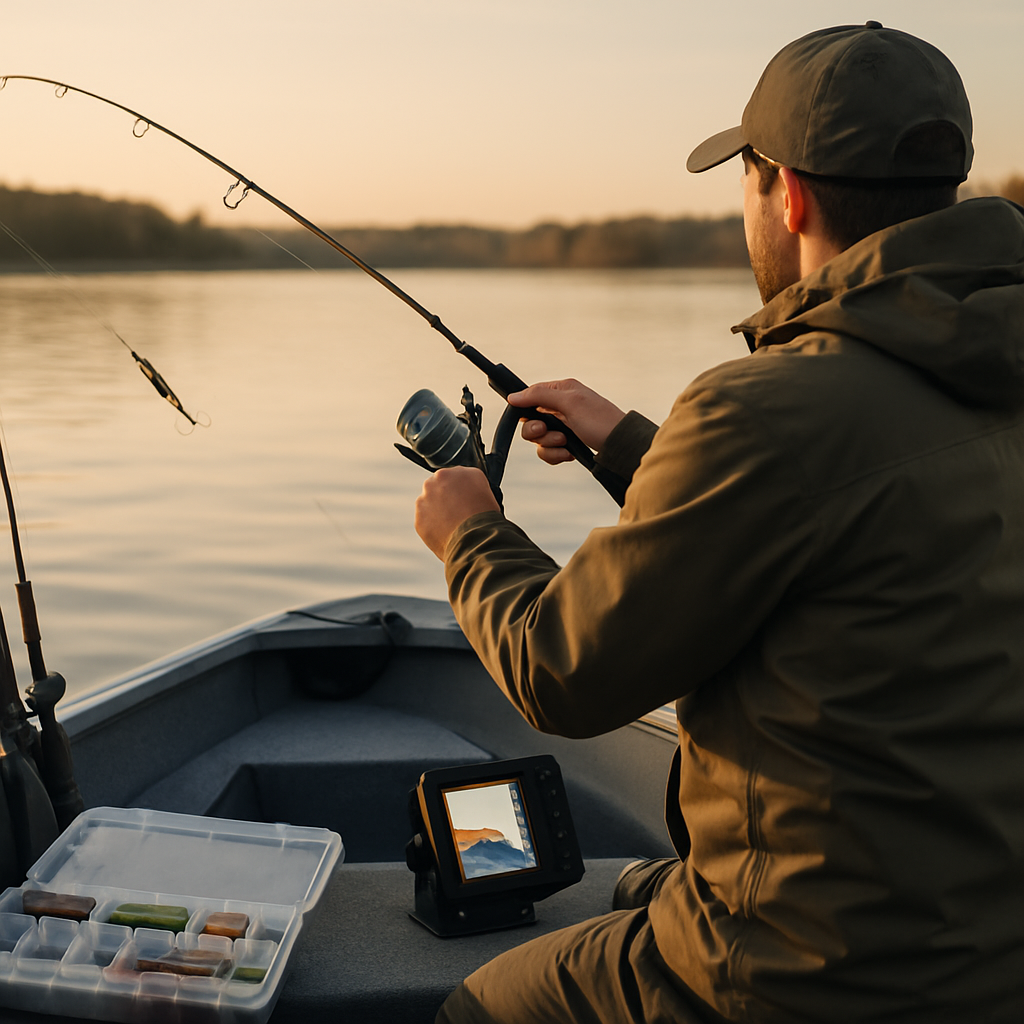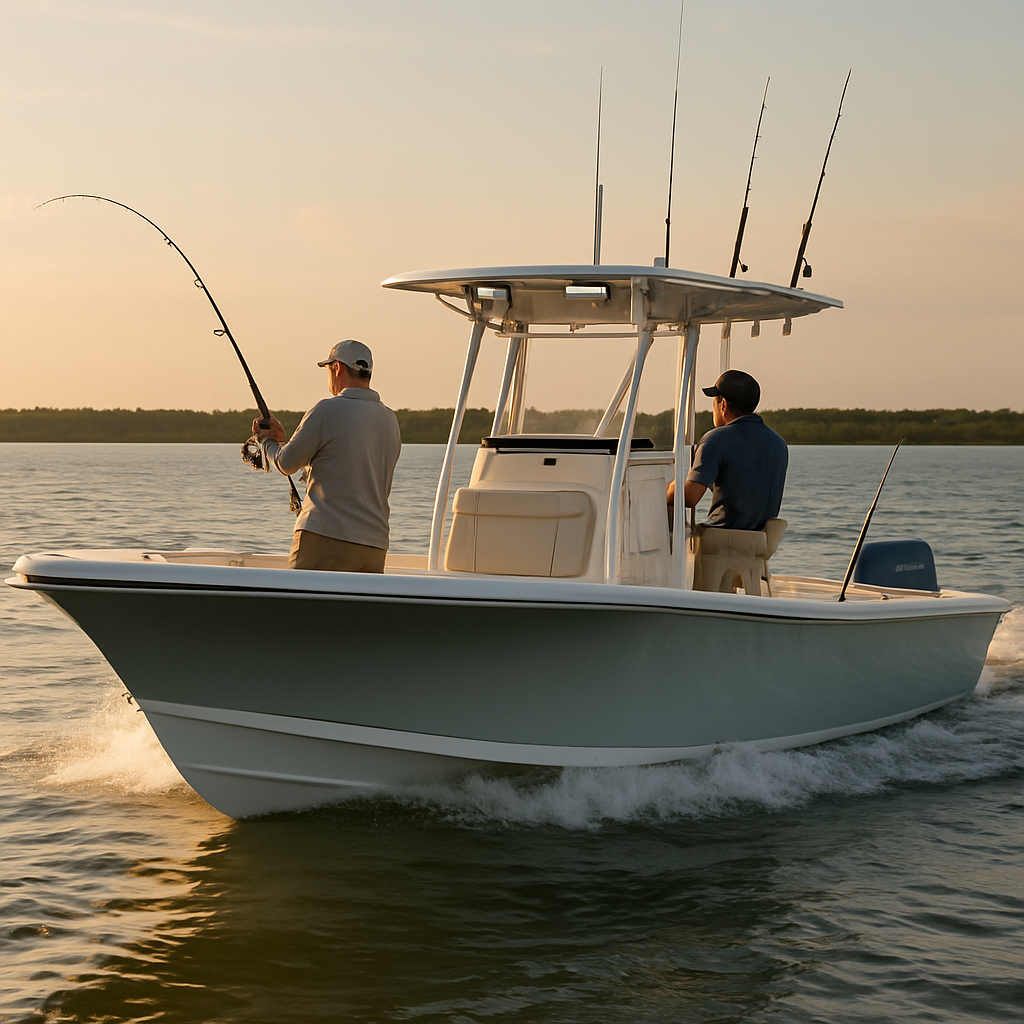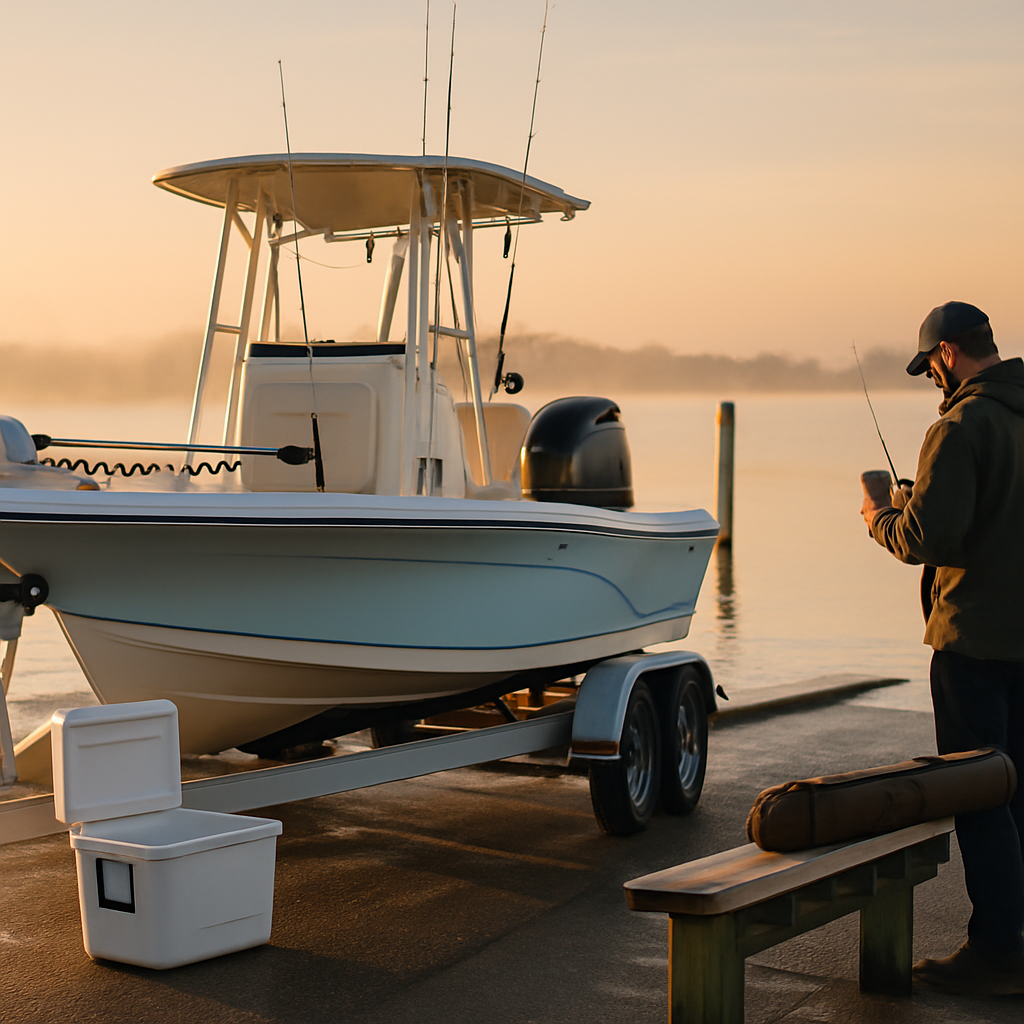
Imagine stepping off the trailer on a calm dawn, the smell of coffee and salt in the air, and knowing your boat is the exact tool you need to put fish in the cooler. That feeling isn’t luck — it’s the result of matching your needs to one of the Best Boats for Fishing. In this guide you’ll get clear, practical advice so you can stop guessing and start fishing smarter, whether you’re chasing bass on a glassy lake or heading offshore for billfish.
ISSU Wildfish Guide to the Best Boats for Fishing
Choosing the Best Boats for Fishing isn’t about the flashiest hull or the biggest outboard. It’s about matching where you fish, how you fish, and what keeps you safe and comfortable on the water. Before you fall in love with a model, ask yourself: where will I fish most, what species am I targeting, how many people will be on board, and what’s my true budget (including upkeep)? Answer these and you’ll narrow the field fast.
Attention: Why the right boat matters
A poor match equals frustration: too deep a draft for skinny flats, too little stability for a chop, or inadequate storage for all your gear. The right boat makes fishing easier — you’ll spot structure, get into skinny water, and stay comfortable all day. In short: the right boat helps you catch more fish and enjoy your time on the water.
Interest: What this guide gives you
This ISSU Wildfish piece breaks down the most common boat types by water condition, pinpoints the must-have features for anglers, compares budget and high-end choices, lists essential equipment, and gives a maintenance roadmap to keep your vessel running for years. Think of it as a decision map — clear, practical, and built around the Best Boats for Fishing.
Desire & Action: Ready to pick?
Read on, visualize your typical fishing day, and by the end you’ll know exactly which boat class deserves a demo. Then try before you buy — rent or test-drive models when you can. That’s the best way to convert desire into the right purchase.
Deciding between hull materials is one of the first real choices you’ll make, and it shapes everything from handling to maintenance and resale. If you want a practical comparison that walks through weight, durability, cost, corrosion resistance, and repairability, check out our dedicated breakdown on Aluminum vs Fiberglass Fishing Boats. That article helps you weigh trade-offs so you’re not surprised by operating or upkeep realities once you own the boat.
Still unsure which class of boat fits your fishing style? We map common angling needs to boat types so you can match function to form. You’ll find fish-and-water-specific guidance in our editorial piece titled Best Boat Types for Angling, which breaks down why some hulls outfish others in lakes, rivers, estuaries, and offshore waters. It’s a great next read if you want to narrow choices quickly.
If your plan includes frequent inshore or occasional offshore runs, center consoles deserve a close look for their versatility and deck space. Our focused review of Center Console Fishing Boats explains layout variations, engine configurations, and how modern consoles handle serious offshore work while remaining nimble for inshore trips — a good primer if you want a single boat that does it all.
For more resources, model reviews, and community tips beyond this single guide, visit the ISSU Wildfish homepage for ongoing coverage and practical how-to articles; the site is a hub for anglers seeking trusted advice, gear lists, and seasonal updates at issu-wildfish.org. You’ll find local insights and regional content that help translate general guidance into actionable, place-specific next steps.
Another decision many anglers wrestle with is where to fish and how that choice shapes boat needs: do you need hulls built for swell and seakindliness, or something optimized for skinny water and stealth? Our comparative feature on Offshore vs Inshore Fishing Boats lays out the real-world implications — from safety gear and engine redundancy to electronics and storage — so you know what to prioritize for your trips.
If comfort and space rank high for you, especially for family outings on calm lakes, pontoons are no longer just party platforms; many modern models are purpose-equipped for anglers. Our practical guide Pontoon Boats for Fishing examines how pontoons stack up for rod storage, livewells, stability, and trolling motor integration — a useful read if you want roomy, comfortable days without sacrificing fishing capability.
Top Boat Types for Fishing by Water Conditions
Freshwater Lakes: Bass Boats and Bowriders
If you spend most of your time fishing lakes for bass, walleye, or panfish, bass boats are engineered to win. They have shallow drafts, high-speed performance for getting between spots quickly, expansive casting decks, and integrated livewells. If you split time between fishing and family days, a bowrider or deck boat with fishing upgrades can be a practical alternative — a bit less purpose-built, but far more versatile for social outings.
Rivers and Tight Waterways: Jon Boats and Aluminum Skiffs
For skinny, brushy creeks or low-water rivers, the light, flat-bottomed jon boat or small aluminum skiff is your friend. They’re cheap to run, easy to pole or push with a push pole, and simple to maintain. If stealth matters (for trout or wary species), an inflatable kicker setup or high-pressure inflatable can also be surprisingly effective.
Estuaries and Bays: Bay Boats and Small Center Consoles
Bays and coastal estuaries demand stability and a bit of freeboard to handle wind chop. Bay boats offer a perfect blend of shallow-water capability with enough heft to handle a moderate sea. Small center consoles are excellent if you want full walk-around access and a boat you can comfortably take beyond the inlet on good days.
Flats and Shallow Water: Skiffs and Flats Boats
Flats fishing calls for ultra-shallow drafts and minimal wakes. Skiffs and flats boats — often paired with a poling platform and a jack plate or shallow-running lower unit — let you sneak into pocket water and cast to sight-fished reds, bonefish, and permit.
Offshore and Big Game: Offshore Center Consoles and Sportfishermen
Going big-game? You want a boat that eats waves, has redundant systems, and gives you room to fight a fish the size of a small car. Offshore center consoles with multiple outboards are common today for their power-to-weight and deck space. For extended trips and serious bluewater capability, traditional convertibles or express sportfishermen still reign.
Pontoons: Comfort with a Fishing Twist
Don’t sleep on fishing pontoons. Modern pontoons are designed with fishing-friendly layouts: rod holds, livewells, and trolling motor compatibility. If you fish calm lakes and value comfort and stability, a fishing pontoon gives you usable space and a gentle learning curve for new boaters.
Kayaks and Inflatable Boats: Stealth and Access
For solo anglers who want to reach skinny bays or river pockets far from a launch, fishing kayaks and high-quality inflatables are cost-effective, quiet, and maintainable. You’ll trade speed and carrying capacity for access and stealth, but the places you can reach may more than make up for that.
- Quick pick: bass boats for freshwater tournaments; flats skiffs for sight casting; center consoles for mixed inshore/offshore needs; jon boats for shallow rivers; pontoons for social fishing; kayaks/inflatables for stealth.
Key Features to Look for in a Fishing Boat
Hull Design and Stability
Hull shape determines where you can go and how comfortable you’ll be. A shallow-V or flat-bottom hull is great for skinny water, but it chops badly in open, windy conditions. Deep-V hulls cut through waves and are better offshore. Wider beams increase primary stability (standing still), which is crucial for casting and fighting fish.
Casting Decks and Layout
A usable casting deck means unobstructed movement and secure footing. Look for non-skid surfaces and easy access to rod storage and livewells. Think through how you’ll move from bow to stern when fighting a fish — tight, awkward layouts waste opportunities and make unnecessary noise.
Livewells, Baitwells, and Fish-Handling Systems
If you plan to keep or transport live fish, livewell capacity, aeration, and pump reliability matter. Tournament anglers often count gallons and circulation performance; casual anglers still benefit from simple, well-placed wells that are easy to clean.
Rod and Tackle Storage
Nothing ruins a cast faster than tripping over loose rods. Integrated rod lockers, accessible tackle drawers, and a rigging station decrease setup time and reduce clutter. Lockable compartments are a nice touch if theft is a concern.
Electronics and Power Integration
Modern anglers rely on fishfinders, GPS, autopilots, and communications gear. Pick boats with space and wiring provisions for the electronics you want. If you’re upgrading later, clean wiring runs and a robust power distribution panel save headaches.
Propulsion and Fuel Efficiency
Don’t oversize the motor or undersize the fuel tank. Propulsion must fit the hull’s design and typical payload. For offshore, redundancy (twin engines) adds safety. For inshore or freshwater, a single efficient outboard often saves money and reduces complexity.
Comfort and Safety
Good seating, shade, non-slip surfaces, secure handholds, and adequate storage for safety gear make long days pleasant. Safety features like bilge pump capacity, navigation lights, and accessible PFD storage should never be skipped.
Trailerability and Storage
If you trailer, check gross vehicle weights and your tow rig. A boat that’s hard to launch or store will get used less. Consider hulls and trailers that make frequent launching easy — that often keeps you on the water more.
Budget-Friendly vs High-End: Finding Your Best Boat for Fishing
Understanding the trade-offs
The Best Boats for Fishing come at many price points. Your budget will steer you toward features and longevity. But price alone doesn’t guarantee satisfaction — priorities do. A cheaper boat with the right hull and a solid engine can outperform an expensive one with the wrong setup.
Budget-Friendly Options
Aluminum jon boats, used bass boats, and small pre-owned center consoles are great entry points. Focus on hull integrity, engine health, and basic systems. You can gradually upgrade electronics and creature comforts. Buying used often gives better bang-for-buck but demands a careful inspection.
When High-End Makes Sense
Spend more when you’ll get tangible benefits: offshore racing to serious bluewater, tournament-level anglers who need integrated systems, or fishers who want long-term ownership with higher resale value. High-end boats often have better corrosion protection, superior layouts, and stronger warranties.
New vs Used
New boats deliver warranties and the latest tech but depreciate faster initially. Used boats are cheaper up-front and can be perfectly serviceable if maintained. If buying used, get a survey, check engine hours, and verify maintenance records. Don’t skip a sea trial.
Where to allocate your money
- Spend on a solid hull and reliable engine — these are core to safety and performance.
- Invest in essential electronics that enhance your fishing (GPS, fishfinder).
- Save on upholstery and optional comfort features that you can add later.
- Consider financing to get a boat that better matches your long-term needs without overstretching your budget.
Essential On-Board Equipment Every Angler Needs
Outfit your boat with a prioritized checklist so you’re prepared for common issues and ready to focus on fishing.
- Safety First: USCG-approved PFDs for everyone, throwable flotation, fire extinguisher, visual distress signals, and a horn. If you fish offshore, add an EPIRB or satellite messenger.
- Navigation & Communication: Chartplotter/GPS, VHF (preferably fixed with handheld backup), and local charts. For offshore ventures, a satellite or AIS system is smart.
- Fishfinder & Sonar: CHIRP sonar and mapping capabilities are game-changers for finding structure and bait. Side- and down-imaging add clarity around ledges and wrecks.
- Trolling Motor & Batteries: A dependable trolling motor with a quality battery bank (AGM or LiFePO4 if budget allows) lets you stealthily work spots all day.
- Anchoring System: Choose an anchor type suited to your typical bottom (fluke for sand, plow for rock/weed). Add a proper rode and consider an anchor winch or quick-deploy setup.
- Livewell & Bait Handling: Reliable pumps and aeration are essential. Carry a small cooler, gloves, and handling tools.
- Tool & Repair Kit: Basic tools, spare prop, fuses, fuel-line repair kit, and common fluids are often the difference between a quick fix and a tow home.
- First Aid: Pack a comprehensive kit and seasickness remedies.
- Comfort: Shade (Bimini or T-top), comfortable seating, freshwater washdown — small things that keep you on the water longer.
Matching equipment to how and where you fish will keep your setup streamlined and reduce unnecessary expense.
Maintenance and Longevity: Keeping Your Fishing Boat in Prime Condition
Daily and Pre-Trip Checks
Before every outing check fuel levels, battery state, bilge pump function, life jacket availability, and that your electronics boot up properly. Inspect the prop for fishing-line snags and test your kill switch. These few minutes can prevent a foul-weather bailout or a mid-day tow.
Post-Trip Habits
Rinse hulls and engines after saltwater use and drain livewells. Open compartments to air dry and wipe down surfaces. Removing fish blood and salt promptly reduces corrosion and odors. You’ll thank yourself in the spring.
Scheduled Maintenance
| Interval | Task | Notes |
|---|---|---|
| Before season / Annually | Engine service, impeller check, anode inspection | Follow manufacturer schedule and replace wear items |
| Every 50–100 hours | Oil change, spark plug check, fuel filter replacement | Outboards vary — consult manual |
| Monthly (active season) | Battery testing, bilge check, inspect hoses & clamps | Keep batteries clean and charged |
| After saltwater use | Rinse & flush engine, lubricate fittings, check for corrosion | Replace sacrificial anodes when needed |
Winterizing and Off-Season Storage
If you face freezing temperatures, winterizing is mandatory: stabilize fuels, fog or winterize the engine per manufacturer guidance, drain potable-water systems, and either remove batteries or use a maintainer. Covered, ventilated storage protects upholstery and electronics; shrink-wrap can trap moisture and cause mold unless ventilated.
Record Keeping
Keep a log with service dates, engine hours, and parts replaced. It’s helpful for troubleshooting and boosts resale value when you have a documented maintenance history.
Putting It All Together: Choosing Your Best Boats for Fishing
You now have a clear checklist: define where you fish, what you target, who’s aboard, and what you can afford. Use that to pick a class — flats skiff, center console, bass boat, pontoon, or kayak — then prioritize hull integrity, propulsion, and essential electronics. Demo several boats in your target class before buying. Practical time on the water beats glossy brochures every time.
Final checklist before buying
- Demo the boat in conditions similar to where you’ll fish.
- Inspect hull and transom for repairs or damage.
- Check engine hours and service history. Request maintenance records.
- Verify storage, trailer condition, and towing requirements.
- Consider hidden costs: insurance, storage, winterization, and maintenance.
Picking the Best Boats for Fishing is a mix of practical logic and a little heart — you’ll know when a boat feels right. Take your time, ask questions, and lean on demos. And if you want model-specific recommendations for your region, tell us where and what you fish — we’ll point you to the best fits and common pitfalls.
Frequently Asked Questions (FAQ)
What are the Best Boats for Fishing if I mostly fish freshwater lakes?
Du should look at bass boats and bowriders with fishing upgrades. Bass boats are purpose-built for freshwater angling — they have large casting decks, integrated livewells, and plenty of rod storage. If Du want a dual-purpose boat for family days too, a bowrider or deck boat with rod holders and a trolling motor gives versatility without sacrificing too much fishing function.
Should I choose aluminum or fiberglass for my fishing boat?
Du’ll want to weigh durability, weight, cost, and intended use. Aluminum is lighter, usually cheaper, and great for shallow or trailer-friendly boats; fiberglass typically provides a smoother ride and better offshore seakeeping with more styling options. For a deeper dive into pros and cons, our comparison on Aluminum vs Fiberglass Fishing Boats helps you match material to mission.
What’s the difference between inshore and offshore boats, and which do I need?
In short: offshore boats are built for rougher water, higher freeboard, and redundancy in systems; inshore boats prioritize shallow drafts and maneuverability around structure and flats. Du should pick based on where Du fish most — if Du split time between both, a center console can be a versatile compromise. Check our detailed guide on Offshore vs Inshore Fishing Boats to see real-world trade-offs.
Are center consoles really the best all-around choice?
Center consoles are extremely versatile, offering 360-degree access, big deck space, and modern electronics integration. If Du want one boat that can handle bay work, near-shore, and occasional offshore trips, a well-equipped center console is hard to beat. For layout and engine options, check our review at Center Console Fishing Boats.
Can pontoons be good fishing boats?
Absolutely — modern fishing pontoons are a surprising option if Du fish calm lakes and value space and comfort. They now come with fishing packages: rod holders, livewells, and trolling motor mounts. If Du prioritize family comfort and social fishing without giving up basic angling capabilities, pontoons are worth considering — see our guide on Pontoon Boats for Fishing for details.
How much should I budget for a reliable fishing boat?
It depends on size, materials, and whether Du buy new or used. Entry-level rigs (jon boats, used small consoles) start low, while high-end offshore center consoles and convertibles climb quickly. Importantly, budget for operation: fuel, insurance, trailer, storage, and maintenance. If funds are tight, prioritize hull integrity and engine condition — those are the long-term cost drivers.
What are the must-have features I shouldn’t skip?
Start with hull design suited to your waters, reliable propulsion, basic electronics (GPS & fishfinder), livewell or baitwell if you keep fish, and essential safety gear. Du’ll also want sufficient rod storage, non-slip decks, and a trolling motor for inshore work. Spend where it keeps Du safe and fishing effectively; add luxury creature comforts later.
Is it better to buy new or used?
Both have pros and cons. New boats come with warranties and the latest tech but depreciate faster early on. Used boats can be bargains if well maintained. Du should always get a survey on used boats and a sea trial; focus on engine hours, corrosion, and hull integrity. Documented maintenance history is a big plus at resale time.
How do I maintain my boat to keep it in top shape?
Routine care is the name of the game: rinse after saltwater use, flush engines, apply corrosion protection, keep batteries charged, and follow scheduled engine service intervals. Keep a log of maintenance and receipts — Du’ll avoid surprises and improve resale value. And don’t skimp on sacrificial anodes if Du fish saltwater.
Next Steps with ISSU Wildfish
Dive into ISSU Wildfish for model reviews, electronics build guides, and seasonal checklists. If Du’d like personalized help, share your typical fishing spots and budget, and we’ll recommend top contenders among the Best Boats for Fishing that match your needs. Get out there — the water’s waiting.