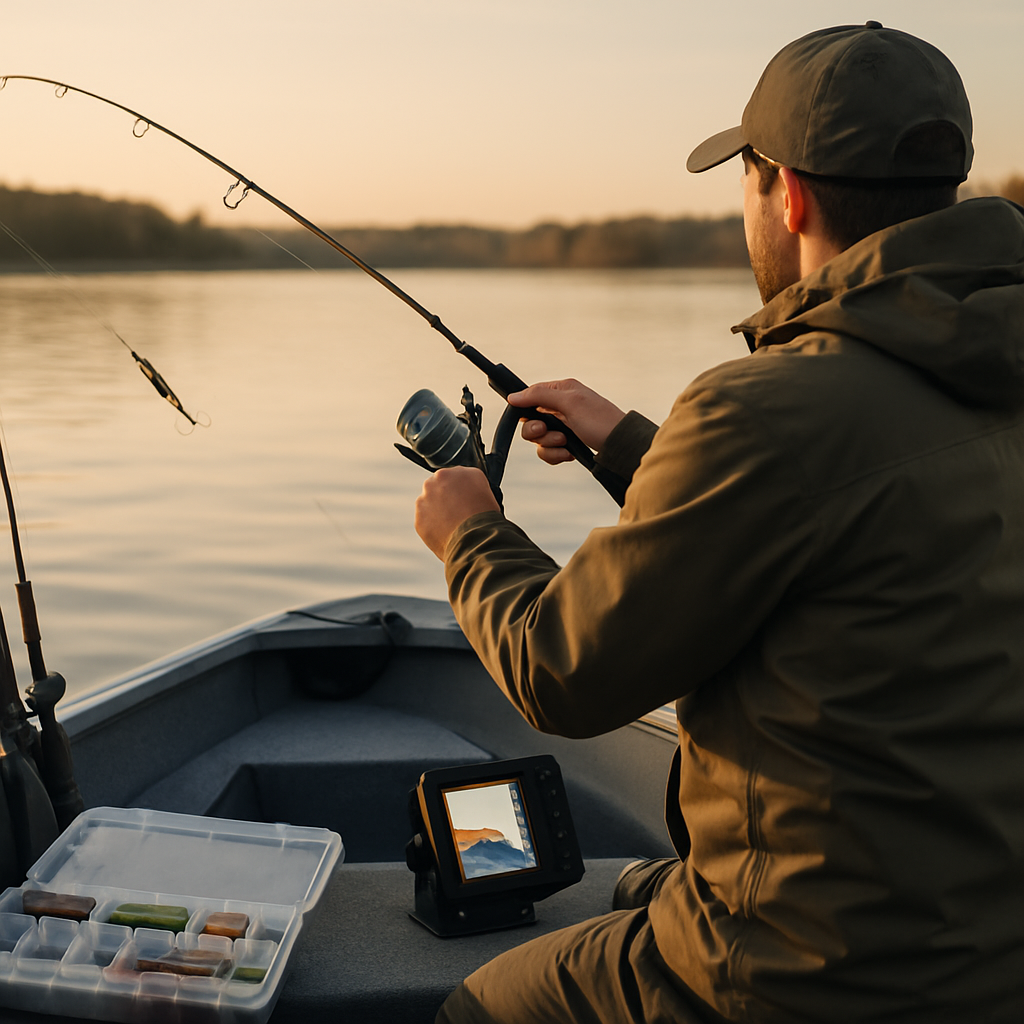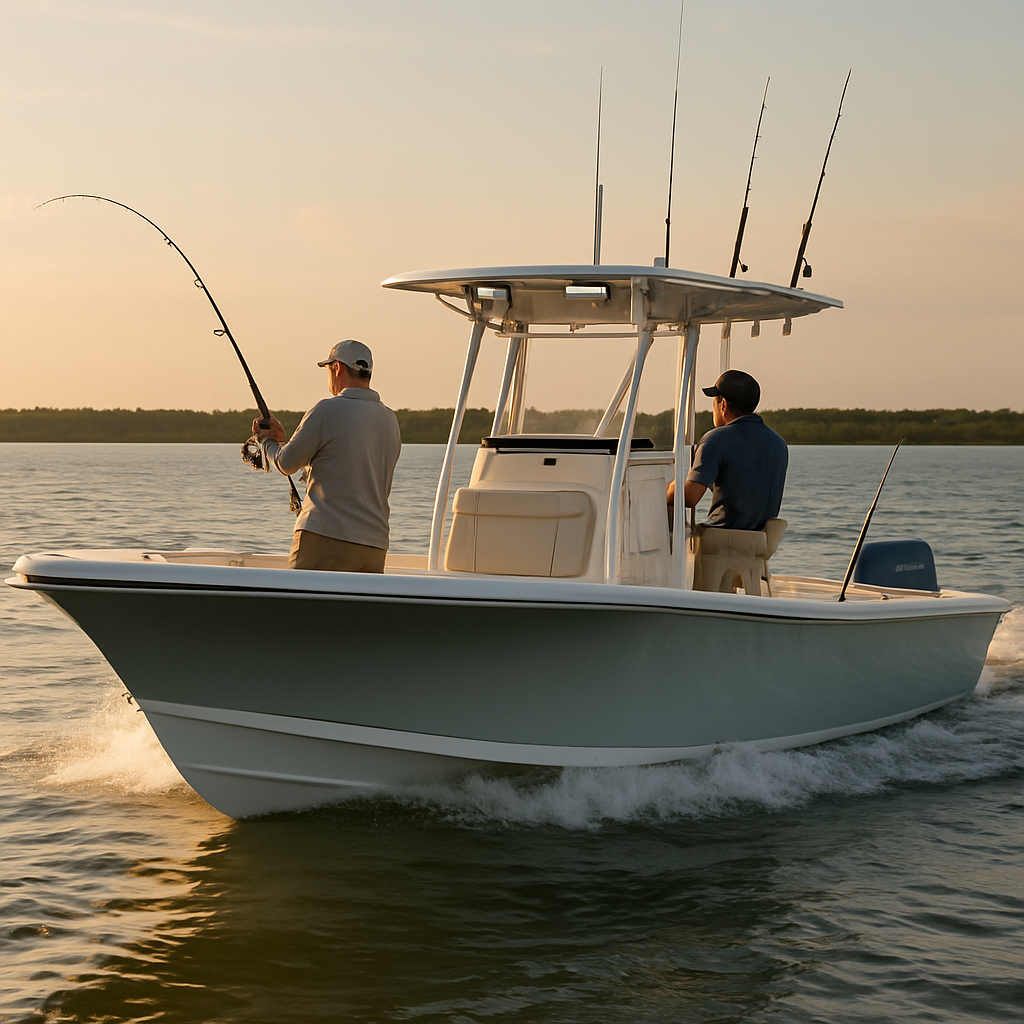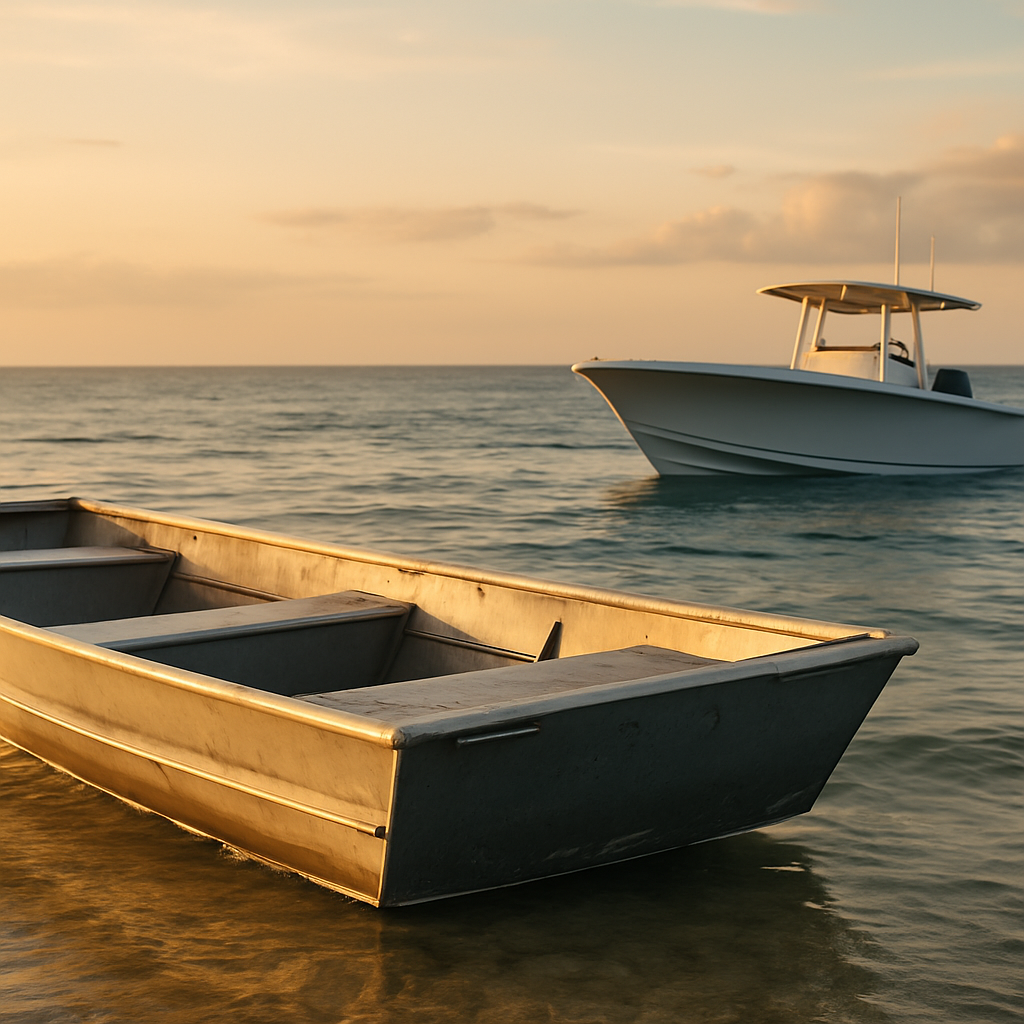
Deciding between Aluminum vs Fiberglass Fishing Boats can feel like choosing between a pickup truck and a luxury sedan—both get you where you need to go, but they do it very differently. In this guide you’ll get clear, practical advice so you can pick the boat that fits your waters, wallet and fishing style. No fluff. Just the facts, seasoned with a bit of experience and the occasional wink.
Quick Overview: Aluminum vs Fiberglass Fishing Boats
If you want the short version before diving in: aluminum boats are lightweight, trailer-friendly, and tough in shallow or rocky water. Fiberglass boats offer a smoother ride in rough seas, more creature comforts, and sleeker hull shapes for offshore performance. But the real answer—what’s best for you—depends on where you fish, how often you trailer, and how much comfort you want on board.
If you’re looking for quick, practical model recommendations or deeper dives into hull types, our site offers focused guides to help you decide. Check the curated list of top picks on Best Boats for Fishing to compare real-world options across budgets and conditions. For an in-depth explanation of which hull shapes and designs suit specific angling techniques, see Best Boat Types for Angling. And if a versatile, family-friendly layout appeals to you, our practical review of Center Console Fishing Boats breaks down why they’re so popular and what to look for when shopping one.
ISSU Wildfish Guide: Aluminum vs Fiberglass Fishing Boats – Weight and Handling for Different Water Conditions
Weight and handling are two of the most important practical differences between Aluminum vs Fiberglass Fishing Boats. The material affects not only how the boat feels, but where you can fish and how much maintenance you’ll do over time.
Weight differences and why they matter
Aluminum boats are lighter. That lightness changes a lot of things: they accelerate faster with smaller engines, are easier to launch from a ramp, and let you navigate shallow flats without fretting about scraping the keel. If you own a modest tow vehicle, aluminum will save you stress (and fuel).
Fiberglass boats, by contrast, carry more weight. That may sound like a downside, but the extra mass often yields a steadier, more planted ride—especially when the wind picks up and the seas get choppy. For longer offshore runs where comfort and stability matter, that heft translates into a calmer ride and less fatigue for everyone on board.
Handling in calm lakes, rivers, and open water
Here’s how each material behaves in typical fishing scenarios:
- Calm lakes and rivers: Aluminum shines. Nimble turning, quick planing and the ability to get into skinny backwaters make it a top choice for freshwater anglers chasing bass or walleye.
- Choppy coastal water and open seas: Fiberglass generally performs better. The deeper-V hulls and heavier weight slice through waves, reduce pounding, and keep you drier on longer runs.
- Estuaries and flats: Aluminum’s shallow draft is king—especially if you routinely chase fish in two feet of water or less.
ISSU Wildfish: Durability and Maintenance Compared – Aluminum vs Fiberglass Boats for Real-Life Fishing
When you fish a lot, you want a boat that takes the abuse and keeps going. Let’s talk real-life durability and what maintenance really looks like for Aluminum vs Fiberglass Fishing Boats.
Aluminum: rugged, repairable, and practical
Aluminum boats tolerate knocks and scrapes. You can ground a shallow aluminum skiff and walk away with a dent rather than a cracked hull. Welds can be reworked and dents hammered out. In freshwater, this makes aluminum near bulletproof.
Saltwater? You’ll need to be attentive. Galvanic and electrolytic corrosion are real risks when aluminum meets salty environments, especially if dissimilar metals aren’t isolated properly. But regular rinsing, sacrificial anodes, and periodic inspection keep aluminum boats healthy for decades.
Fiberglass: refined but repair-intensive
Fiberglass offers cosmetic appeal and complex hull shapes that aluminum can’t match. The downside? Impacts that aluminum brushes off can crack or delaminate fiberglass. Gelcoat chips and UV oxidation make appearance maintenance (waxing, polishing) more time-consuming.
Structural fiberglass repairs are common and well-supported by marine shops, but they can be pricey and labor-intensive. Osmotic blistering is another long-term issue on older fiberglass boats, though many modern builders have improved layups and barrier coats to mitigate this risk.
Which holds up better on the water?
If your fishing means frequent beaching, rocky inlets, or shallow flats, aluminum typically outlasts fiberglass with less drama. If you’re mostly offshore and want a refined hull that handles big seas with comfort, fiberglass will perform well—provided you stay on top of maintenance.
Cost of Ownership: Purchase, Upkeep, and Depreciation in Aluminum vs Fiberglass
Buying a boat is more than a sticker price. Plan for insurance, fuel, maintenance and resale. Let’s break down the costs so you know what you’re signing up for with Aluminum vs Fiberglass Fishing Boats.
Purchase price
In general, aluminum boats are cheaper up front for comparable lengths. Fiberglass costs more to build—more materials, molds, and cosmetic finishing—so expect higher entry prices on similar-sized models. That said, specialty aluminum builds (custom welds, complex consoles) can narrow the gap.
Operational costs: fuel and engine sizing
Lighter aluminum hulls can often hit planing speeds with smaller engines, saving fuel. Fiberglass boats may require larger engines to get the performance you want, which ups fuel and maintenance bills. Over a season of fishing, that difference adds up—especially if you do long runs offshore.
Maintenance, repairs and insurance
Routine maintenance on aluminum is straightforward: rinse after saltwater use, change sacrificial anodes, and check welds. Fiberglass requires regular waxing, gelcoat care, and vigilance for soft spots or blisters.
Insurance tends to track value more than material, so higher-end fiberglass models often carry higher premiums. Depreciation varies—fiberglass boats in certain segments (cabin cruisers, sportfish) can hold value well; aluminum tends to depreciate faster in the recreational market but maintains strong resale in utilitarian and freshwater niches.
Performance in Various Waters: How Aluminum and Fiberglass Boats Handle Choppy Seas and Calm Lakes
Performance isn’t just a material thing—it’s a hull-design thing. Still, material influences how a design behaves in different conditions. Below are practical comparisons for frequent fishing environments.
Calm lakes and rivers — where aluminum excels
In calm inland waters, you want quick acceleration, fuel efficiency and access to skinny spots. Aluminum delivers. The lightweight hull gets on plane fast and makes tight turns—handy when you’re chasing a school of bass or threading a narrow river channel.
Choppy seas and offshore runs — where fiberglass shines
If you’re running to offshore reefs or making long troll-to-drop runs, the smoother ride of a fiberglass deep-V hull reduces fatigue and keeps the crew comfortable. Fiberglass absorbs wave energy differently and often offers better noise and vibration isolation inside the hull.
Mixed-use anglers — making a compromise
Many anglers want the best of both worlds. If you fish both flats and nearshore, focus on hull form. Some heavy-gauge aluminum hulls are designed to soak up chop; some fiberglass hulls are built shallow to access more water. Test-ride both types in the conditions you fish most—that’s worth more than any spec sheet.
Choosing the Right Boat for Your Fishing Style: Pros and Cons of Aluminum and Fiberglass
You fish your way. Here are direct pros and cons to help match Aluminum vs Fiberglass Fishing Boats to your priorities.
Aluminum — Advantages
- Lightweight and trailer-friendly—perfect if you tow frequently.
- Shallow draft for flats, rivers and skinny water.
- Tolerant of impacts—ideal for rough launching conditions or rocky shorelines.
- Lower upfront cost for many families and weekend anglers.
Aluminum — Drawbacks
- Can corrode in saltwater if not managed properly.
- Rides can be noisier and less refined in heavy chop.
- Fewer luxury cabin options—practical over plush.
Fiberglass — Advantages
- Smoother ride, especially in rough water.
- More options for cabins, amenities and sleek styling.
- Perceived as premium—often stronger resale in recreational markets.
Fiberglass — Drawbacks
- Heavier; requires stronger tow vehicles and larger engines.
- Impact repairs can be costly and time-consuming.
- End-of-life disposal is more complex—fiberglass recycling lags behind metal.
Environmental Impact and Longevity: Sustainability Considerations for Aluminum and Fiberglass Boats
Increasingly, anglers care about sustainability. Let’s look at lifecycle impact: manufacturing, use, and disposal.
Aluminum: recyclable and long-lived
Aluminum scores big on recyclability. At end-of-life, aluminum hulls can be melted down and reused—an environmental advantage. Primary aluminum production is energy-intensive, but recycling vastly reduces that footprint. With good maintenance, aluminum boats can last for decades.
Fiberglass: durable but hard to recycle
Fiberglass hulls last a long time, but when they reach end-of-life they’re difficult to recycle and often end up in landfills or are repurposed. The gelcoat and resin manufacturing process is petroleum-based, adding to the environmental cost. That said, many builders are experimenting with greener resins and recycling programs; the industry is evolving, just not as fast as metal recycling.
Practical sustainability choices
If recyclability matters most to you, aluminum has the edge. If you plan to keep a boat for many decades and maintain it properly, both materials can be environmentally responsible through longevity—use less, maintain more, and replace parts rather than whole hulls when possible.
Side-by-Side Comparison Table
| Category | Aluminum | Fiberglass |
|---|---|---|
| Weight | Light — easy towing & shallow access | Heavy — more stable in seas |
| Ride comfort | Less refined in chop | Smoother, drier in rough water |
| Maintenance | Simple; watch corrosion in salt | Waxing & gelcoat care; costly structural repairs |
| Cost | Lower entry price | Higher initial cost; possible better resale |
| Environmental impact | Highly recyclable | Difficult to recycle; higher lifecycle waste |
Practical Buying Checklist: How to Decide
- Pin down your primary fishing grounds—are you chasing trout on mountain lakes or running to offshore wrecks?
- Set your total budget: purchase, engine, trailer, and annual upkeep. Don’t forget insurance and storage.
- Match your tow vehicle to the boat. If you’ve got a small SUV, an aluminum rig will likely be easier to handle.
- Think long-term: plan to keep the boat for years or trade up frequently?
- Decide comfort vs utility: do you want a cabin and creature comforts, or minimalism and access?
- Inspect used boats carefully: check aluminum welds and anodes or fiberglass for soft spots and osmosis.
- Always test-ride the hull in the waters you fish most. Specs are fine, but how it feels on the water is what counts.
Common Use Cases: Recommended Material by Fishing Style
- Bass & freshwater tournaments: Aluminum is a favorite for its trailering ease and shallow access. But fiberglass bass boats with advanced hulls are also competitive—test both.
- Inshore flats and estuary fishing: Aluminum skiffs or jon boats are hard to beat for stalking snook and redfish in skinny water.
- Nearshore reef fishing: Smaller fiberglass center consoles or beefy aluminum with the right deadrise work; fiberglass tends to be more comfortable in wind-driven chop.
- Offshore sportfishing: Fiberglass deep-V hulls are typically preferred for range, comfort and seakeeping on long runs.
FAQ — Frequently Asked Questions about Aluminum vs Fiberglass Fishing Boats
Q: Which is better for saltwater fishing—aluminum or fiberglass?
A: Both can work well in saltwater if you maintain them properly. Aluminum is tough and forgiving when you fish shallow or rocky areas, but you must manage galvanic corrosion with sacrificial anodes and regular rinsing. Fiberglass gives you a smoother ride offshore and fewer worries about electrolytic corrosion, but it can suffer impact damage and osmotic blisters if neglected. Choose aluminum for shallow, rough-in launches and fiberglass for comfort and longer offshore runs.
Q: Do aluminum boats rust?
A: No—aluminum doesn’t rust like steel. It can corrode, especially in saltwater environments, but corrosion on aluminum behaves differently (pitting and galvanic action). Preventive steps—rinsing, proper bonding, zinc anodes, and avoiding electrical paths between dissimilar metals—go a long way to keep an aluminum hull healthy.
Q: Are aluminum boats noisier than fiberglass?
A: Generally yes—aluminum transmits more hull noise and vibration than fiberglass. That said, modern engine mounts, insulation, and thoughtful installation of foam or other dampening materials can make an aluminum boat pretty quiet. If you prize silent running while trolling or chasing spooked fish, test for noise levels during a sea trial.
Q: How much cheaper is aluminum to buy and maintain?
A: Upfront, aluminum tends to be less expensive for comparable sizes and simple layouts. Maintenance can also be cheaper if you stick to freshwater or stay diligent in saltwater. However, very large or highly outfitted aluminum boats can approach fiberglass prices. Factor in engine size, trailer, and expected repairs—not just hull cost—when budgeting.
Q: How long do fiberglass boats last?
A: With good care, fiberglass boats can easily last 30 years or more. Longevity depends on quality of build, layup, barrier coats, and maintenance. Osmosis and blistering are concerns for older boats, but many modern builders use improved techniques to extend lifespan significantly.
Q: Can I trailer a fiberglass sportfish or center console?
A: Absolutely—but you need the right trailer and tow vehicle. Fiberglass boats are heavier, so make sure your truck or SUV has the towing capacity and that the trailer is sized correct for weight distribution. If you plan to trailer frequently, weigh the extra towing costs and complexity when comparing to aluminum options.
Q: Which material holds resale value better?
A: It depends on segment. High-end fiberglass sportfish and cabin boats often retain value well. Aluminum holds strong resale in utilitarian and freshwater markets, but may depreciate faster in recreational leisure segments. Condition, maintenance records, and market demand in your region matter more than material alone.
Q: How do I prevent galvanic corrosion on an aluminum boat?
A: Keep metal systems electrically bonded correctly, install and replace sacrificial anodes regularly, isolate dissimilar metals with dielectric fittings, and rinse the boat after saltwater use. Also check wiring and through-hulls for stray currents—many corrosion problems trace back to poor electrical isolation.
Q: If I fish both flats and nearshore, what should I choose?
A: Test-ride both. If extreme shallow access matters most, aluminum is the safe bet. If you want more comfort in choppy nearshore conditions and occasional longer runs, a fiberglass center console or a heavier aluminum hull with good deadrise could be the compromise. Your personal priorities—comfort vs. access—should guide the decision.
Q: Are fiberglass boats recyclable?
A: Unfortunately, fiberglass is hard to recycle compared to metals. Some programs salvage and repurpose hulls, and a few innovations are emerging, but most end-of-life fiberglass boats currently face limited recycling options. If recyclability is important to you, aluminum is the greener choice.
Practical Buying Checklist: How to Decide (Quick Recap)
- Pin down your primary fishing grounds—are you chasing trout on mountain lakes or running to offshore wrecks?
- Set your total budget: purchase, engine, trailer, and annual upkeep. Don’t forget insurance and storage.
- Match your tow vehicle to the boat. If you’ve got a small SUV, an aluminum rig will likely be easier to handle.
- Think long-term: plan to keep the boat for years or trade up frequently?
- Decide comfort vs utility: do you want a cabin and creature comforts, or minimalism and access?
- Inspect used boats carefully: check aluminum welds and anodes or fiberglass for soft spots and osmosis.
- Always test-ride the hull in the waters you fish most. Specs are fine, but how it feels on the water is what counts.
Conclusion: Match Material to Mission
There’s no single right answer to Aluminum vs Fiberglass Fishing Boats. If you prize shallow-water access, easy trailering, and rugged practicality, aluminum is likely your best bet. If you want offshore comfort, a smoother ride, and more onboard amenities, fiberglass makes more sense. The smartest move? List your priorities, test-ride both hull types in the water you fish most, and choose the boat that reduces friction—on the road and on the water.
If you want help narrowing options, ISSU Wildfish can compare models that match your budgets and fishing grounds. Tell us where you fish, how many people you usually bring, and whether you care more about comfort or shallow-water access. We’ll point you to the best Aluminum vs Fiberglass Fishing Boats for your needs—no hard sell, just straight-up advice.