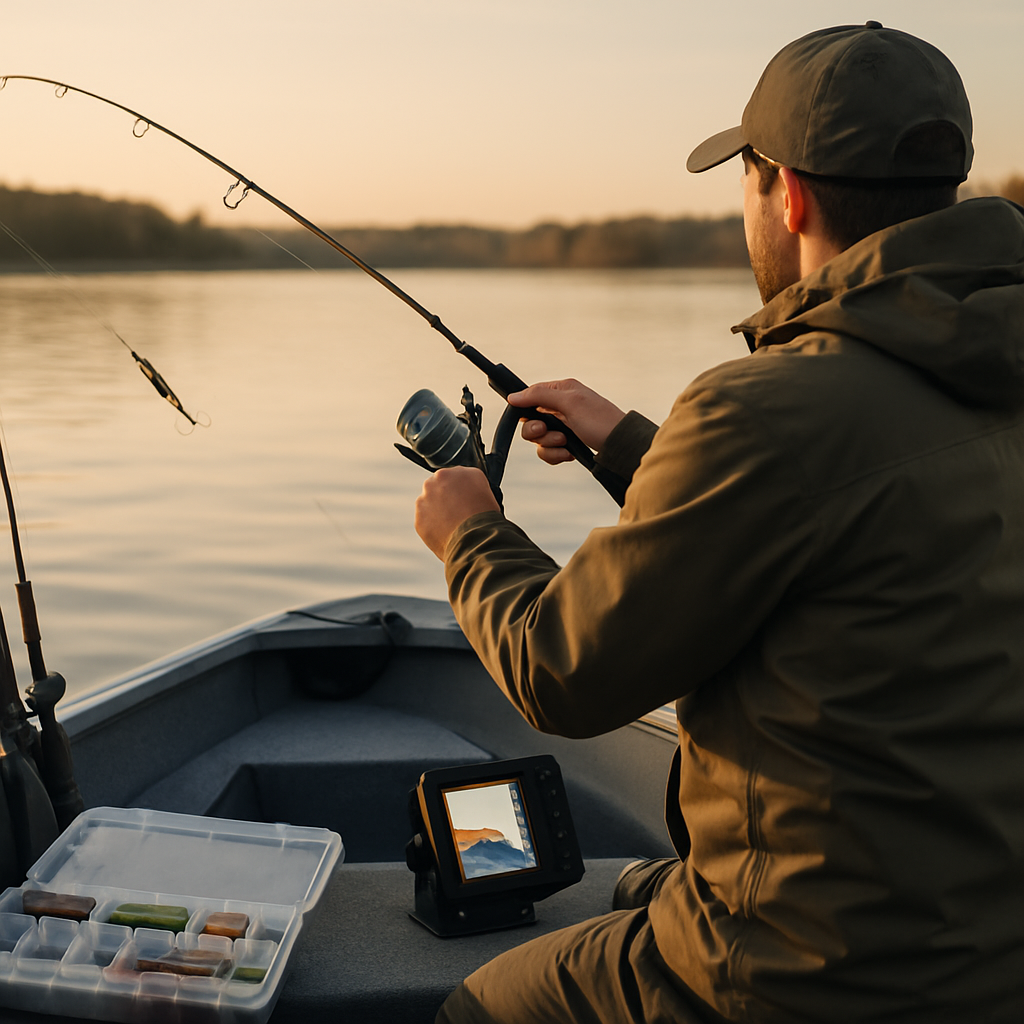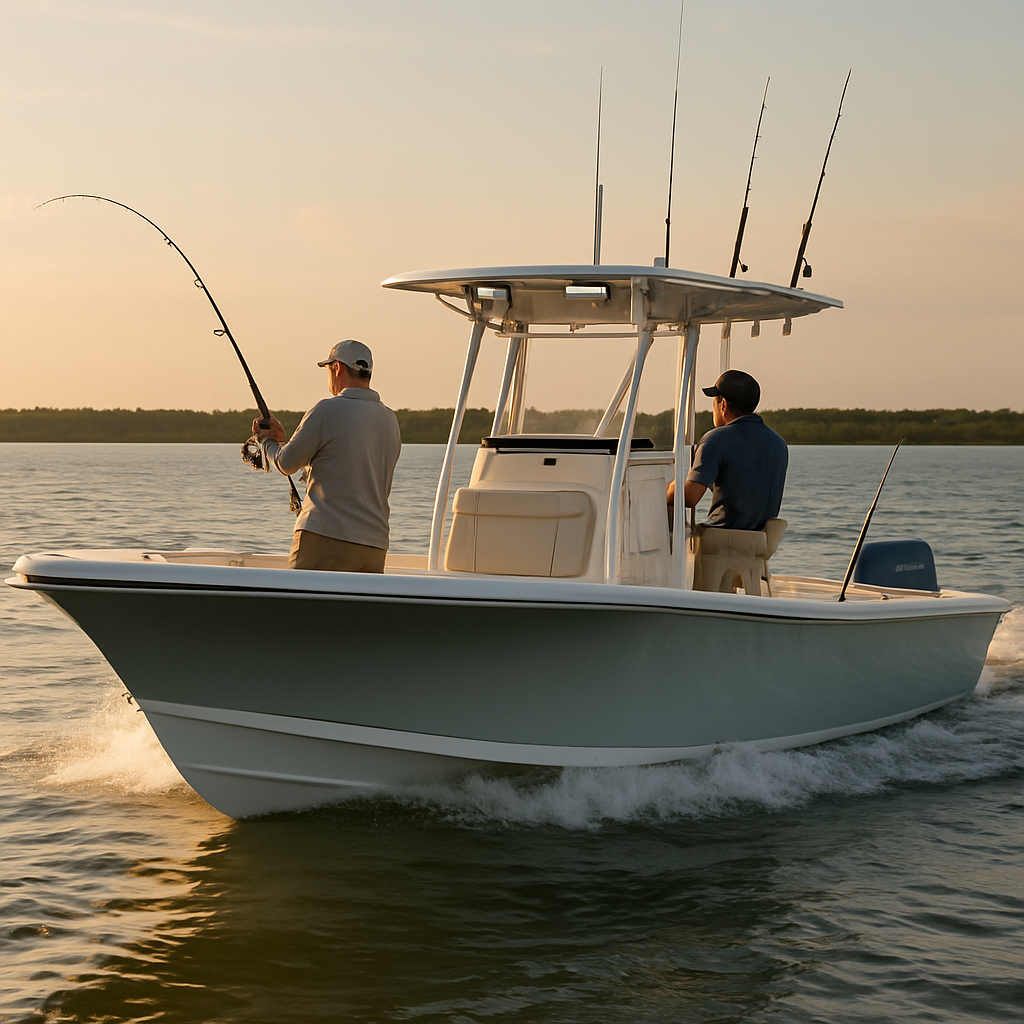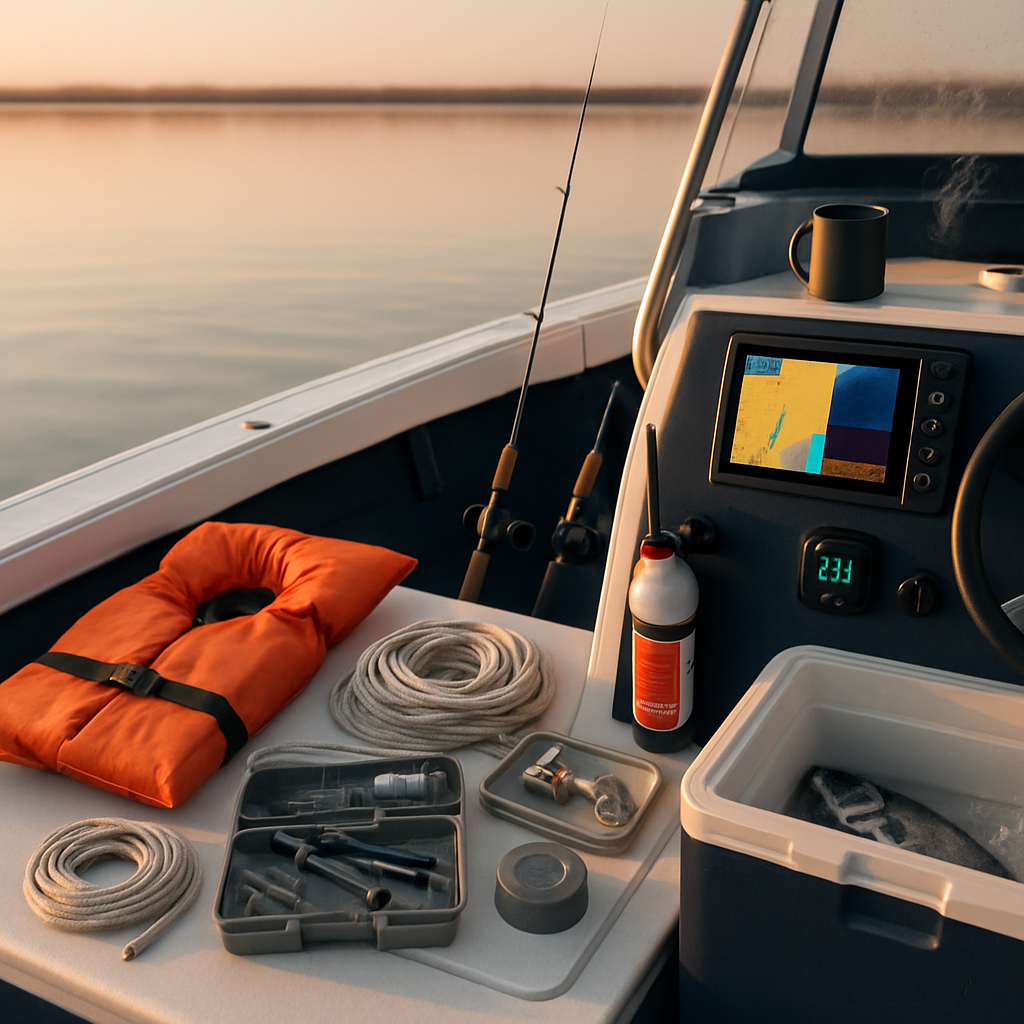
Picture this: Du are idling over a promising weedline at first light, water glassy, coffee hot, phone buzzing with weather alerts—and suddenly your gear decides to act up. Frustrating, right? That avoidable headache is exactly why prioritizing Essential Boat Equipment matters. In this guide Du’ll get clear, no-nonsense advice on what to pack, what to prioritize, and how to keep your boat running so Du spend more time fishing and less time fiddling with gear.
Why the Right Boat Equipment Matters
Fishing is equal parts patience, skill, and preparation. If Du show up with the wrong setup, Du’ll waste hours and miss bites. But the right Essential Boat Equipment turns a good day into a great one. It keeps Du safe, helps Du find fish faster, and makes the whole trip more efficient. Think of your boat as a mobile workshop: every tool and device should have a purpose. When Du optimize that toolbox for the species and water Du fish, Du gain confidence and flexibility—two priceless advantages on the water.
When weighing upgrades and purchases, it helps to read targeted guides: check ISSU Wildfish’s deep dives on choosing the right Anchor and Ground Tackle, and their practical notes on Essential Boat Electronics to match chartplotters and sonar to your needs. The main site, issu-wildfish.org, collects reviews and how-tos, while focused pages cover Reliable Trolling Motors and smart Rod Storage Solutions. Before Du leave the dock, run through the Safety Equipment Checklist—it’ll save Du time and worry when the weather or situation turns on a dime.
Essential Boat Equipment for Serious Anglers
Below are the must-have items every angler should consider. These are not optional extras—these are the core pieces of Essential Boat Equipment that create a baseline for safety, performance, and success.
- Anchor system: Match anchor type and size to boat and bottom conditions; always carry enough rode and a short chain leader for better holding.
- Bilge pumps and alarms: Primary automatic pump plus a manual or backup pump; a bilge alarm is cheap insurance.
- Livewell or insulated fish storage: Healthy bait and fish equal more action; opt for aeration and recirculation if Du fish long days.
- Comfort and safety underfoot: Non-slip decking and secure seating reduce accidents and fatigue—especially on long runs.
- Fishing-focused deck layout: Secure mounts for electronics, clear casting lanes, and integrated rod storage make life simpler.
- Spare tackle and backup rods: Breaks happen—carry backup reels and lines for quick swaps.
- Lines, docklines, and fenders: Good quality, correctly rated lines protect both Du and your boat when docking or anchoring.
Safety Gear You Should Never Leave Behind on Your Fishing Boat (ISSU Wildfish)
Safety isn’t glamorous, but it’s essential. Du can catch the fish of your life and still get into trouble fast if Du skimp on safety gear. Always plan like Du might need to rely on this equipment.
- Personal Flotation Devices (PFDs): One Coast Guard-approved PFD per person and a throwable device. Stow them where everyone can reach them—don’t let them be decorative.
- VHF radio: Fixed or handheld. Channel 16 and DSC are must-knows. Weather updates, safety calls, and coordination with other boaters all go through VHF.
- Visual distress signals: Flares, a signal mirror, and a bright flashlight or strobe for night work.
- Sound device: A whistle or horn—useful in fog or to get attention quickly.
- First aid kit: Stocked for common fishing injuries—cuts, hooks, sunburn, and basic trauma supplies.
- Fire extinguisher: Properly rated and inspected regularly.
- Emergency supplies: Water, energy snacks, thermal blankets, and a multi-tool.
- EPIRB/PLB for offshore trips: Life-saving when Du are beyond VHF range—register it and check batteries regularly.
Safety Checklist (Quick)
- PFDs: correct size and accessible
- VHF/Radio: battery charged and antenna secured
- Flares & Signals: check expiration dates
- First Aid: replenish after each trip
- Fire Extinguisher: inspected and within easy reach
- EPIRB/PLB: registration up to date
Navigation and Electronics for Fishing Boats: Insights from ISSU Wildfish
Electronics have changed how anglers operate. Whether Du are running alongshore, fishing reefs, or trolling offshore, the right electronics help Du find fish, avoid hazards, and get home safely. Let’s break down the critical pieces of your onboard electronic suite.
Chartplotters and GPS
A modern chartplotter is your digital map and memory bank. With quality charts and waypoint management, Du can mark productive areas, plan routes, and avoid hazards. Important features to look for:
- Readable display in bright sun
- Support for third-party charts and updates
- Waypoint and route management
- Network capability to integrate radar, sonar, and engine data
Fishfinders and Sonar
Good sonar is like having eyes underwater. CHIRP, down imaging, and side imaging each have benefits depending on where Du fish. If Du chase structure, choose high-resolution down/side imaging. If Du troll broad open water, a wide‑band CHIRP gives better target separation.
Radar, AIS, and Camera Systems
In fog, at night, or offshore, radar and AIS can be lifesavers. Cameras are fantastic for watching stern activity, livewells, or monitoring anglers when Du are busy:
- AIS improves collision awareness around large commercial traffic
- Radar scans for weather and targets beyond visual range
- Cameras add safety and convenience—keep them waterproof
Networking and Integration
Use NMEA 2000 or Ethernet to link devices so they talk to each other. Integration means your chartplotter can display sonar, radar, and engine data in one place—simpler and less cluttered than juggling individual screens. It also minimizes duplicate wiring and helps with diagnostics when things go wrong.
Power, Electrical, and Reliability Essentials for a Smooth Fishing Trip
Power is the silent backbone of your Essential Boat Equipment. Without reliable batteries and charging, electronics go dark, livewells stop, and engines might not start. Let’s make sure your power plan is solid.
Battery Systems and Management
There are choices: AGM, gel, and lithium are the main types anglers use today. Lithium batteries perform exceptionally—lightweight and high-capacity—but they require compatible chargers and management systems. If Du prefer simple maintenance, AGM batteries are robust and affordable.
- Size your battery bank for your longest expected draw (trolling motor + electronics + pumps).
- Install a battery monitor to track amp-hours and voltage—no more guessing.
- Use isolators or automatic switches to protect your starter battery from accessory drain.
Charging and Alternators
Charge smart: multi-stage chargers extend battery life and speed recovery between runs. If Du run a trolling motor or lots of electronics, upgrade your alternator to match the draw and consider a high-output charging system for rapid recharge.
Backup Power and Redundancy
Redundancy beats regret. Carry a portable jump starter, spare AGM battery, or a high-capacity power bank capable of running essentials. For multi-day or offshore trips, a portable generator can be a game changer.
Wiring, Fuses, and Corrosion Prevention
Use marine-grade wiring, heat-shrink terminations, and dielectric grease on connections. Label circuits clearly, and build a tidy, accessible fuse/ breaker panel. Regularly check for corrosion, especially in saltwater environments—small corrosion now becomes a major electrical fault later.
Onboard Storage, Rod Holders, and Tackle Organization for Fishing Boats
Organization reduces stress. Du want your hooks, pliers, and lures where Du can reach them without tripping over gear or rewiring your whole boat mid-bite. Think smart compartments and logical places for everything.
Rod Storage Solutions
Keep rods secure and accessible. Options depend on boat size and fishing style:
- Flush-mounted holders for trolling and stowage
- Vertical or horizontal locked racks in compartments for transport
- Quick-release holders at casting stations for rapid deployment
Tackle Boxes and Systems
Modular tackle boxes with labeled compartments save time. Keep separate boxes for terminal tackle, soft plastics, and spare jigs. Make a habit of restocking after every trip so Du never reach for a rig and find it empty.
Livewell, Cooler, and Dry Storage
Insulated coolers for fish, dedicated dry lockers for electronics, and lockable storage for valuables are non-negotiable. Secure heavy items to prevent shifting in rough seas—loose gear can hurt someone in a sudden turn.
Deck and Gunwale Organization
Small organizers—Velcro tool straps, magnetic holders, and molded trays—keep pliers, scissors, and hooks handy. Install cup holders and bins near seating but keep casting lanes clear.
Maintenance Tools and Quick-Repair Kits for ISSU Wildfish Readers
A little preparation goes a long way. When something breaks, a compact, well-stocked repair kit often gets Du back on the fish rather than heading to the dock.
| Item | Purpose | Tips |
|---|---|---|
| Multitool / Pliers | Hook removal, cutting braided line, crimping | Choose corrosion-resistant models and oil joints |
| Spare Prop & Prop Wrench | Replace damaged propellers quickly | Know your boat’s prop specs before Du leave |
| Spare Fuel Filter & Oil | Handle contamination and top off fluids | Store sealed and labeled containers |
| Electrical Repair Kit | Fuses, connectors, heat-shrink, spare wire | Include waterproof connectors and a fuse puller |
| Duct Tape & Hose Clamps | Temporary fixes for hoses, lines, and gear | Keep multiple clamp sizes and heavy-duty tape |
| Spare Kill Switch Lanyard | Engine safety and restart capability | Match the lanyard to your engine model |
Routine Maintenance to Minimize On-Water Failures
Make pre-trip checks and post-trip rinses part of your ritual. Here’s a simple routine Du can memorize:
- Inspect hoses, clamps, and fuel lines each week.
- Rinse saltwater from electronics and metal parts after each outing.
- Change engine oil and filters per manufacturer schedule.
- Test batteries and charging systems monthly—especially battery age and charge retention.
- Practice emergency procedures with your crew so everybody knows what to do if something goes wrong.
Putting It All Together: Tailor Your Kit to Your Fishing Style
No two anglers are identical, and your Essential Boat Equipment should reflect that. Below are typical setups to help Du prioritize:
Bass and Freshwater Anglers
Focus on lightweight, quick-access storage and a reliable fishfinder. A compact battery bank for trolling motors, a few spare rods, and a small tool kit usually cover it.
Inshore and Estuary Anglers
Inshore work demands corrosion-resistant gear, a good livewell, and a chartplotter with coastal detail. Redundancy for batteries and a handheld VHF are smart moves.
Offshore Anglers
Offshore trips require the most robust kit: EPIRB/PLB, comprehensive navigation (radar, AIS), extra fuel, large emergency kits, and heavy-duty anchors. Battery capacity and backup power are critical here.
Flats and Skiff Anglers
Shallow-draft props, stealthy storage, and a push-pole or poling platform matter here. Keep gear lightweight and accessible. PFDs that allow movement are essential for poling and sight-fishing.
ISSU Wildfish Quick Gear Checklist (Printable)
- Anchors & rode (sized correctly)
- PFDs & throwable device
- VHF radio & backup handheld
- Chartplotter + fishfinder
- Battery monitor & spare battery
- Fire extinguisher & comprehensive first aid kit
- Spare prop, tools, and electrical repair kit
- Livewell/cooler with aeration
- Rod holders and labeled tackle boxes
- EPIRB/PLB for offshore trips
FAQ — Common Questions from ISSU Wildfish Readers
Q: What is the absolute minimum Essential Boat Equipment Du should take on a day trip?
A: At minimum, carry PFDs for everyone, a working VHF radio, a GPS/chartplotter, a basic fishfinder, and a well-stocked first aid kit. Add a battery monitor and spare fuses. These items cover safety, navigation, and quick troubleshooting—so Du can stay out longer and safer.
Q: How many PFDs do I need and where should Du store them?
A: One Coast Guard-approved PFD per person plus a throwable device is mandatory in most regions. Store PFDs in accessible locations—under seats or in open lockers—so Du can put them on quickly. For kids or smaller anglers, use properly sized PFDs and practice wearing them before Du leave the dock.
Q: Should Du choose lithium batteries for your boat?
A: Lithium batteries offer high energy density and weight savings, which is great for long trolling sessions. But they require compatible chargers, a Battery Management System (BMS), and proper ventilation. If Du prefer lower upfront complexity, quality AGM batteries are reliable and more plug-and-play.
Q: How do Du choose the right fishfinder or sonar?
A: Match sonar type to what Du fish for: CHIRP is excellent for target separation in open water; down and side imaging help when Du chase structure. Look for clarity, screen visibility in sunlight, and a transducer that suits your hull and depth range. Integration with your chartplotter is a big plus.
Q: What anchor should Du use for different bottom types?
A: Anchor choice depends on bottom composition: fluke anchors work well in sand, plow anchors set in mixed bottoms, and mushroom anchors hold in soft mud for long-term mooring. Always size anchors to your boat and carry extra rode and a short chain for shock absorption and better holding.
Q: How often should Du update charts and electronics firmware?
A: Update charts and firmware at least once per season, or right before longer offshore trips. Chart updates correct navigation hazards and shoals; firmware updates often fix bugs and sometimes add features that improve reliability.
Q: What are the most commonly overlooked pieces of Essential Boat Equipment?
A: Spare fuses, a charged handheld VHF, a multi-tool, and an electrical repair kit are commonly overlooked. These small items solve many day-ruining problems quickly. Also, many anglers forget a proper bilge alarm—simple, inexpensive, and potentially trip-saving.
Q: How should Du maintain electronics in saltwater environments?
A: Rinse electronics and metal surfaces with fresh water after every trip, use corrosion inhibitors on connectors, and keep ventilation clear. Store sensitive gear in dry lockers and use desiccant packs for long-term storage. Regular inspection and cleaning prevent long-term failures.
Q: Is an EPIRB or PLB necessary for inshore trips?
A: For inshore day trips inside sight of land, a VHF radio and cellphone may suffice. For offshore trips beyond VHF range, an EPIRB or PLB is crucial. If Du often go far offshore, the peace of mind provided by an emergency beacon is well worth the investment.
Q: How can Du improve organization on a small boat?
A: Use stackable tackle boxes, labeled compartments, and vertical rod racks. Velcro straps and magnetic holders keep tools in place. Plan storage by frequency of use—quick-access items near casting stations, less-used gear in lockers. Regularly declutter to avoid tripping hazards and lost gear.
Q: What should Du include in a quick repair kit for the boat?
A: A compact kit should include a multitool, spare prop, spare fuel filter, fuses, waterproof connectors, hose clamps, duct tape, and a spare kill switch lanyard. Tailor the kit to your boat model and engines—small investments often save the trip.
Q: How can Du practice emergency procedures effectively?
A: Run through drills before the season: man-overboard recovery, fire response, and abandoning ship procedures. Practice using the VHF and EPIRB, and have everyone familiarize themselves with PFDs and emergency gear locations. Regular practice reduces panic and improves response when seconds matter.
Final Notes: Prioritize, Customize, Practice
As Du build your Essential Boat Equipment list, keep two principles front and center: redundancy and organization. Redundancy for critical systems like starting batteries, communication, and navigation prevents a small problem from becoming major. Organization saves time and keeps Du focused on fishing. Customize your kit for the type of water and species Du chase, and practice using emergency tools so they’re second nature when Du need them. And one last tip from folks who fish a lot: before every trip, do a quick “walk the boat” checklist—check PFDs, fuel, bilge, battery voltage, and your most-used tackle. That ten-minute habit prevents most day-ruining surprises.
Now go assemble your kit. Start small if Du have to, but start smart. Your next best day on the water is waiting—and with the right Essential Boat Equipment, Du’ll be ready for it. Tight lines and safe travels from ISSU Wildfish.