Catch More Fish with Reliable Trolling Motors: Why the Right Motor Changes Everything (Attention → Interest → Desire → Action)
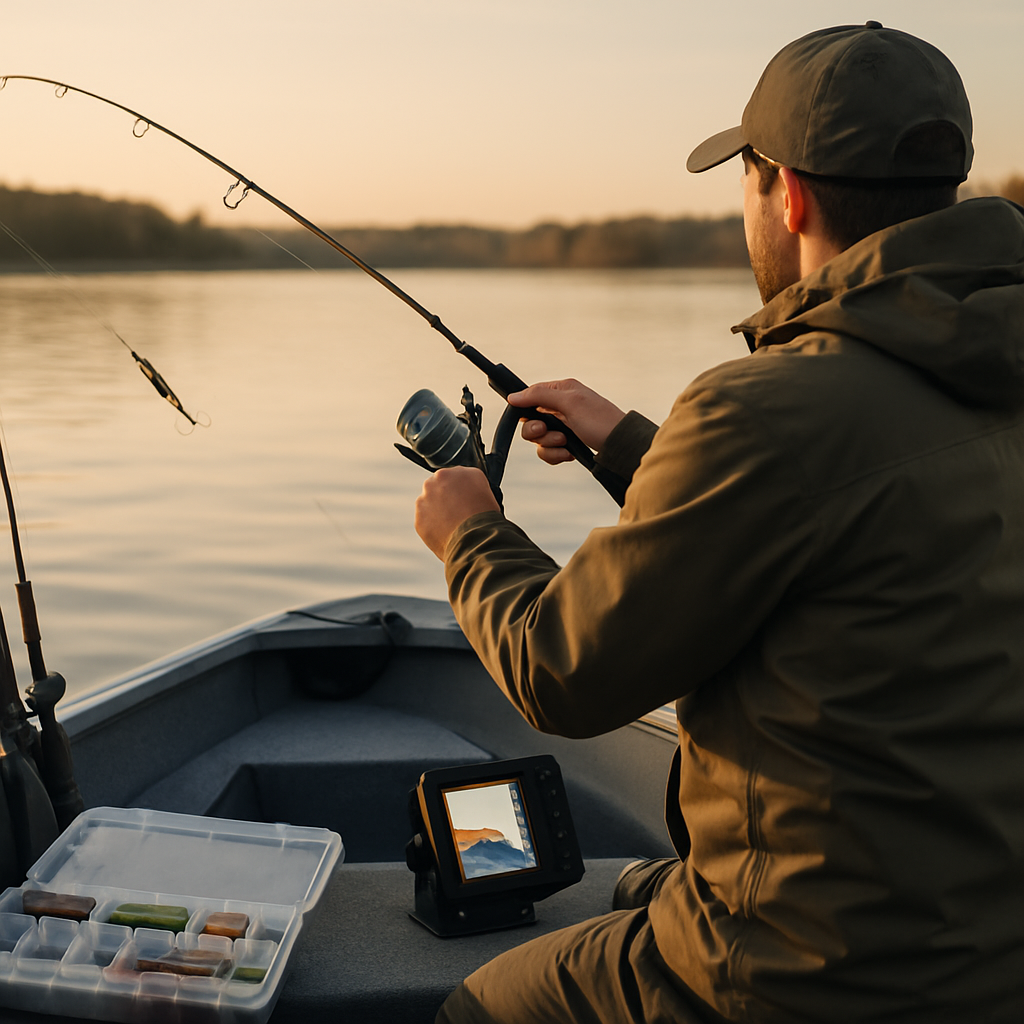
Picture this: you’re creeping up on a schooling bass in the calm quarter-light, line in hand, heart beating a little faster—only to have your boat drift out of position and spook the fish. Frustrating, right? Reliable trolling motors solve that exact problem. They give you control, stealth and the patience to wait for the perfect bite. If you want more consistent results and less guesswork on the water, this guide on Reliable Trolling Motors walks you through everything you need to know—so you can pick, use, and care for a motor that stays with you, season after season.
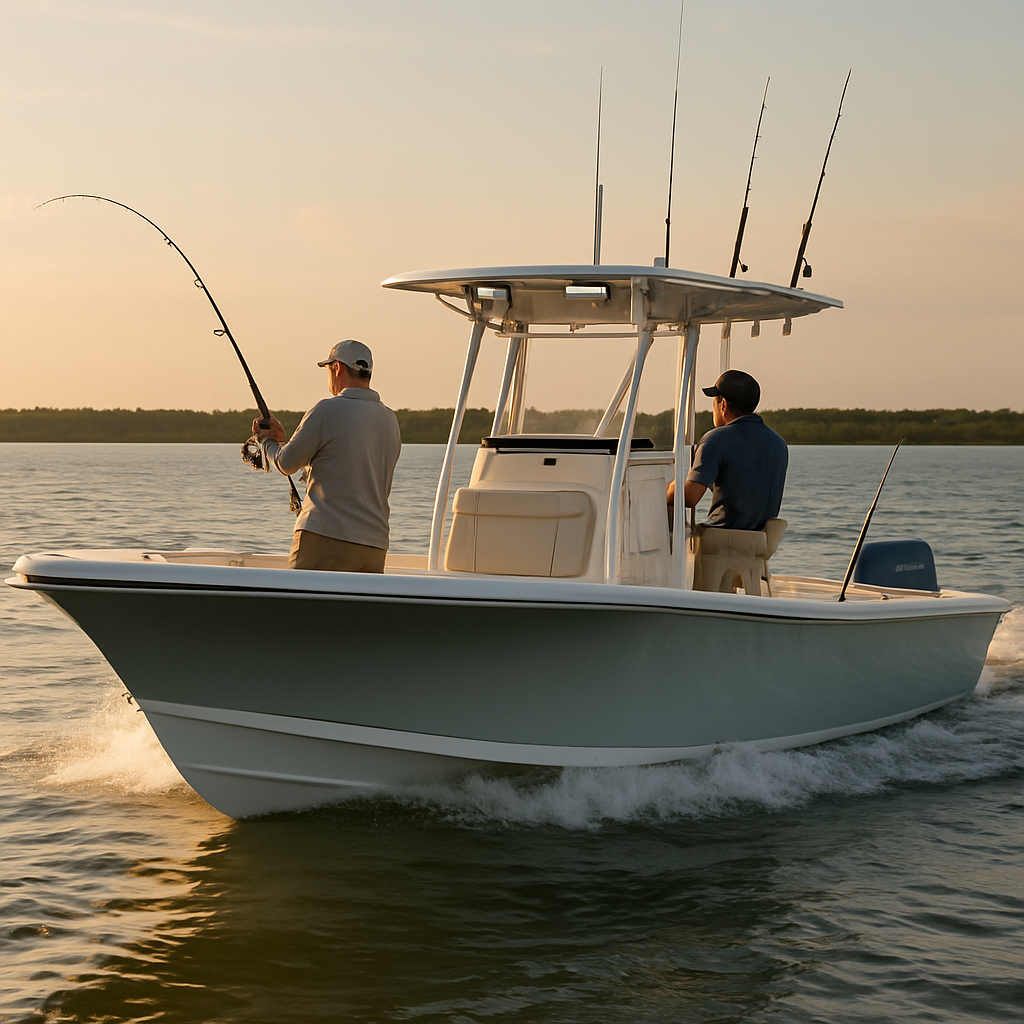
One thing to keep in mind is that a trolling motor is only as reliable as the rest of your boat’s setup; consider matching durable batteries, proper mounting, and safety gear before you finalize a purchase. Start by reviewing comprehensive lists like Essential Boat Equipment, then upgrade electronics using guides such as Essential Boat Electronics, and don’t forget specialized items like Anchor and Ground Tackle to lock onto structure when spot-lock fails; thinking of the whole system keeps your Reliable Trolling Motors working to their full potential.
Why Reliable Trolling Motors Matter for Precision Fishing
Let’s be plain: not all trolling motors are created equal. When you read “Reliable Trolling Motors,” think of consistency—not flash. A reliable motor performs predictably every time you switch it on. That predictability is huge. It affects how quietly you approach structure, how long you can hold a position in wind or current, and whether you make it back to the ramp without a stress-induced headache.
Why should you care? Because fishing is a game of subtle advantages. A steady motor keeps your presentation tight. Quiet, low-vibration motors reduce the chance of spooking wary fish. And efficient power use means you spend less time worrying about batteries and more time casting.
Ask yourself: do you want to rely on luck, or on gear that helps you control the outcome? Reliable Trolling Motors tip the balance toward control.
Real-world advantages of reliability
- Better station-keeping—so you can hold over a weed edge or rock pile without constant throttle fiddling.
- Stealthier approaches—quiet operation keeps fish feeding and unaware.
- Battery predictability—fewer surprises and more trips where you return with juice left.
- Less downtime—fewer mechanical failures mean more days on the water and fewer trips to the shop.
Choosing the Best Reliable Trolling Motor for Your Fishing Boat
Choosing a motor is where choices get real. You want a reliable fit for your boat and for how you fish. Think boat size, typical conditions, mounting style, and how hands-on you like to be. Below is a practical decision map to get you from unsure to confident.
Match thrust to boat size and load
Trolling motor thrust is listed in pounds. That number matters because it tells you how much push the motor provides. As a rule, larger boats and heavier loads need more thrust. But don’t be fooled—environment matters just as much as boat length. A 16-foot boat used on a windy reservoir might need as much thrust as an 18-foot boat on still water.
- Kayaks & small jon boats: 30–55 lbs
- Small aluminum fishing boats (14–16 ft): 40–55 lbs
- Medium bass boats (16–18 ft): 55–80 lbs
- Larger boats or heavy loads: 80–112+ lbs
If you fish where wind and current are common, plan to upsize thrust by 20–30% over the base recommendation. That extra margin buys you control during those “ugh” days when the wind kicks up mid-morning.
Mounting style: bow vs. transom
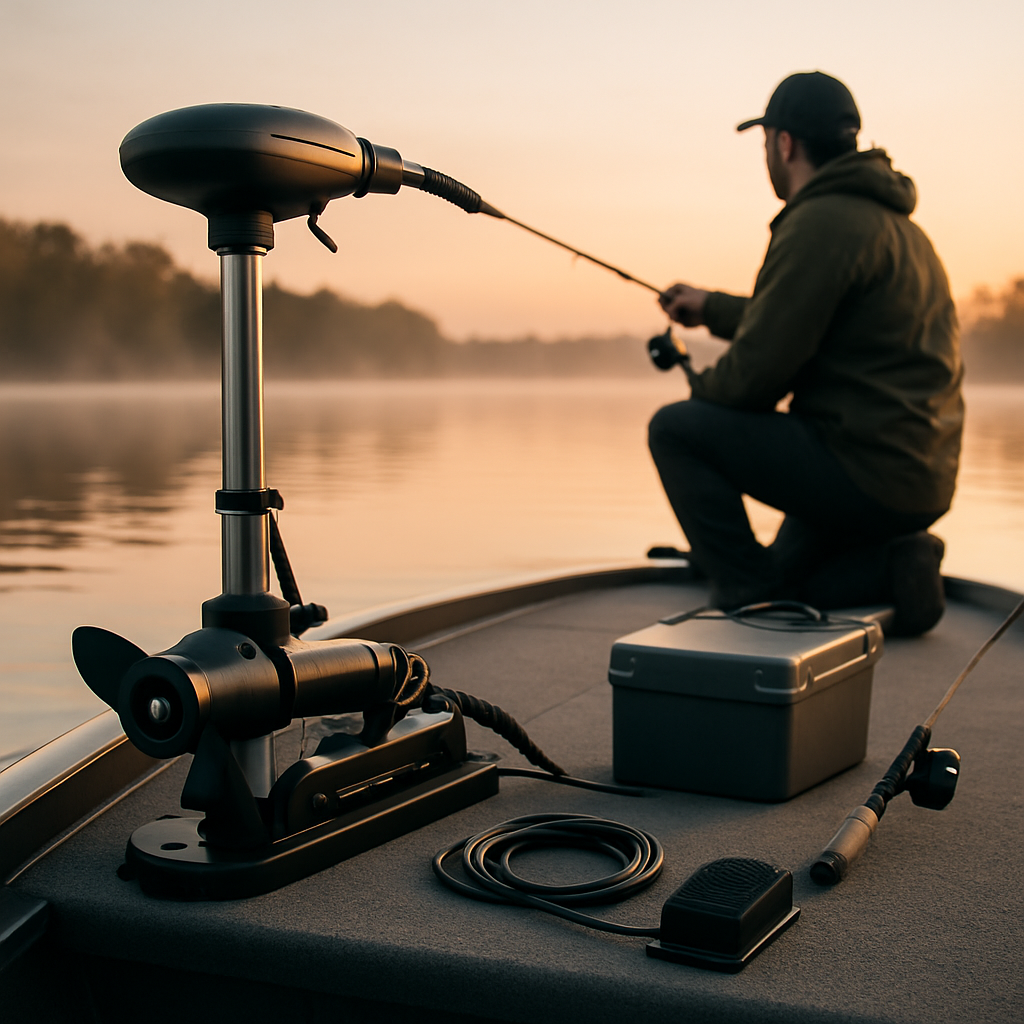
Bow-mounted motors are popular on bass boats for a reason: they deliver better directional control and pair well with foot pedals and GPS features like spot-lock. Transom-mounted motors are simpler and cheaper, and they work perfectly for smaller boats, kayaks, or as backup motors. Decide if you want hands-free precision (bow) or a lighter, simpler setup (transom).
Electric or gas: which way to go?
Electric motors are the go-to for most anglers. They’re quiet, low-maintenance, and integrate with modern electronics. Brushless electric motors, in particular, are both efficient and durable—qualities essential to reliability. Gas motors still have a role for very long-range or heavy commercial use, but for everyday freshwater and inshore saltwater fishing, electric Reliable Trolling Motors are the practical choice.
Controls: foot pedals, remotes, and autopilot
How hands-free do you want to be? Foot pedals are the standard for anglers who cast and operate a lot—once you try them, steering with your foot becomes second nature. Wireless remotes offer flexibility, while integrated autopilot and GPS spot-lock give you a digital anchor that holds position precisely for long drifts or when stalking a school.
Power planning: batteries and amp draw
All the reliability in the world won’t help if your batteries die. Deep-cycle marine batteries—AGM, GEL, or lithium—are the backbone of a dependable setup. Match battery amp-hour (Ah) capacity to your motor’s amp draw and plan for both trolling time and the power needs of electronics like fishfinders and livewells. If you’re weighing portability versus run-time, lithium batteries are lighter and deliver more discharge cycles, albeit at a higher cost.
Top Features to Look for in Reliable Trolling Motors
Not all features are created equal. Some directly affect day-to-day reliability, while others are nice-to-have bells and whistles. Here’s how to separate the must-haves from the fluff.
Brushless motor technology
Brushless motors have fewer moving parts that wear out, which means longer life and better efficiency. For anglers who want to minimize maintenance and maximize run time, this is a cornerstone feature of Reliable Trolling Motors.
Digital power management and smart controllers
Smart controllers modulate power draw, help prevent stalled motors, and can extend battery life by delivering only the power you need. On tough days, that can mean the difference between a full trip and being towed back to shore.
High-quality propellers and anti-cavitation design
A well-designed prop minimizes noise and cavitation, which not only keeps the motor efficient but also keeps fish calm. Replace a damaged prop early—small dents cause big vibrations.
Corrosion resistance and sealed electronics
If you fish in saltwater or humid climates, corrosion kills reliability faster than anything. Seek models with stainless or coated hardware, sealed control boxes, and sacrificial anodes where applicable. Rinsing after each saltwater day helps, but starting with corrosion-resistant design is smarter.
Spot-lock and GPS features
Spot-lock is a modern convenience that becomes indispensable when you’re fishing structure or sight-fishing. It holds your boat like a virtual anchor. For reliability, make sure the GPS module is robust and that the firmware gets periodic updates.
Redundancy and serviceability
Reliable Trolling Motors that are easy to service or that offer multiple control options (foot + remote + manual) reduce downtime. Motors designed with replaceable parts and accessible components save you from long trips to the dealer and keep you fishing.
Prioritizing features by fishing style
- Shoreline/precision bass: brushless motor + spot-lock + foot pedal.
- Windy reservoir fishing: higher thrust + durable shaft + lithium batteries.
- River/current work: continuous thrust + robust mount + prop protection.
- Inshore saltwater: sealed electronics + corrosion-resistant components.
- Kayak trips: lightweight transom motor + efficient power draw.
In-Depth Review: Reliable Trolling Motors for Different Water Conditions
Different water brings different challenges. Below I break down what Reliable Trolling Motors should bring to the table depending on where you fish. I’ll be practical—no overhyped promises—just clear guidance so you can match motor to environment.
Calm lakes and ponds
These are your stealth arenas. You’re often working short casts and fine presentations. Quiet operation and the ability to micro-adjust speed are your friends.
What to look for: low-amp draw at slow speeds, fine speed control, and spot-lock that holds position without bouncing you around. A 55–80 lb motor is common for most small to medium boats in these waters.
Windy open lakes and reservoirs
Wind means power. You’ll be battling surface push and variable gusts that can turn a promising spot into a nightmare within minutes.
What to look for: extra thrust—don’t skimp here—heavy-duty shafts, and efficient power management. If you plan all-day fishing in wind, lean toward higher-capacity batteries or lithium to keep weight down while preserving run time.
Rivers and strong current
Current is relentless and often unforgiving. You need sustained thrust and a motor mount that won’t fail under load.
What to look for: motors rated for continuous high-thrust operation, reinforced mounts, and a prop design that resists snagging. Spot-lock helps, but don’t rely exclusively on electronics—manual control redundancy is smart.
Inshore saltwater flats
Saltwater eats away at equipment if you let it. Plus, flats demand slow, precise control when sight-fishing for tailing species.
What to look for: sealed electronics, corrosion-resistant finishes, and options for shallow-water legs or prop protection. And rinse—then rinse again—after each outing. Your motor’s lifespan depends on it.
Kayak and small craft situations
Weight matters here. You need efficient power and a motor you can carry and mount yourself.
What to look for: light, compact motors with low amp draw and simple mounting hardware. Lithium batteries are ideal despite higher upfront costs because they significantly reduce the overall system weight.
| Water Condition | Key Traits | Recommended Thrust |
|---|---|---|
| Calm Lakes & Ponds | Quiet, precise low-speed control, spot-lock | 55–80 lbs |
| Windy Lakes & Reservoirs | High thrust, durable shaft, efficient power | 80–112+ lbs |
| Rivers & Current | Continuous thrust, rugged mount, redundancy | 80–112+ lbs |
| Inshore Saltwater | Corrosion protection, sealed electronics | 80–112+ lbs |
| Kayaks & Small Craft | Lightweight, low amp draw, portable | 30–55 lbs |
Maintenance and Tips to Keep Your Trolling Motor Ready for Action
You can buy the most reliable motor on the planet, but if you ignore maintenance, it won’t stay reliable. The good news? Routine care is straightforward. A little time each week or after a trip pays huge dividends.
Pre-trip checklist
- Quick prop inspection—look for fishing line wrapped around the shaft; that’s a common failure point.
- Check battery voltage and cable tightness. Loose or corroded connections cause voltage drop and poor performance.
- Test steering and controls before you launch—don’t discover a problem on the water.
- Confirm mounting bolts are tight and that the bracket shows no cracks or fatigue.
Post-trip care
- Rinse the motor with fresh water after saltwater outings; operate briefly to flush salt from internal passages.
- Dry and apply corrosion inhibitor to exposed contacts and fasteners.
- Remove the prop occasionally and lubricate the shaft splines to prevent seizing.
Seasonal and annual maintenance
At least once a year, take a deeper look. Inspect wiring harnesses, check seals, replace worn props, and—if your motor uses gearcase oil—service it on schedule. For motors with GPS and firmware, check for manufacturer updates. Those updates often fix small bugs and improve performance.
Battery care is motor care
Batteries are the quiet partner in your setup. Treat them well and the motor will behave. Keep batteries charged, avoid deep discharges, monitor state-of-charge on every trip, and maintain clean, tight terminal connections. If you store batteries for the off-season, give them a full charge first and maintain charge with a smart charger.
Troubleshooting common issues
- No power: check fuses, battery voltage, and inline connections.
- Intermittent control: inspect remote/foot pedal wiring for corrosion or loose plugs.
- Excessive vibration: inspect prop for dings and the shaft for bends.
- Poor spot-lock performance: ensure GPS antenna has a clear sky view and batteries are healthy.
FAQ — Frequently Asked Questions about Reliable Trolling Motors
How do I choose the right thrust for my boat?
You’ll want to match thrust to your boat length, weight, and the typical conditions you fish in. Start with basic guidelines—30–55 lbs for kayaks and jon boats, 40–55 lbs for small aluminum boats, 55–80 lbs for medium bass boats, and 80–112+ lbs for larger or heavily loaded boats—and then upsize by 20–30% if you fish in strong wind or current. Think about real-life scenarios: if you often run with two people, lots of gear, or on windy reservoirs, pick the next category up. If you’re unsure, tell a dealer your boat’s length, weight and where you fish and ask them to recommend thrust with a margin for power.
How long will a trolling motor run on a battery?
Runtime depends on the motor’s amp draw and your battery’s amp-hour (Ah) capacity. In practice, low-speed trolling might draw 5–15 amps while higher speeds can pull 30–60+ amps on bigger motors. Estimate runtime by dividing usable battery Ah (avoid full 100% discharge—use 50–80% of capacity depending on battery chemistry) by the motor’s amp draw. For example, a 100 Ah battery used at an average 20 A draw gives roughly 4 hours if you use 80% of the battery. Lithium batteries give you more usable capacity and lighter weight, so they often extend real-world runtime despite higher cost.
Are brushless trolling motors worth the extra money?
Yes—if you plan to use the motor often and want lower maintenance. Brushless motors run cooler, are more efficient, and have fewer wear parts than brushed motors, which translates to longer life and better battery economy. That said, if you fish occasionally and are on a tight budget, a quality brushed motor can still work; but for anglers who want Reliable Trolling Motors that keep performing season after season, brushless is usually the smarter investment.
Can I use an electric trolling motor in saltwater?
Absolutely, but choose a model rated for saltwater or with corrosion-resistant construction. Look for sealed electronics, stainless hardware, and protective coatings. Rinse the motor with fresh water after every saltwater trip and operate it briefly while rinsing to help flush salt from internal passages. Even with the best protection, routine inspections and sacrificial anode replacement (if applicable) are essential to maintain reliability.
What routine maintenance keeps my motor reliable?
Keep it simple: inspect and clear the prop of line or debris, check mounting bolts and cable connections, rinse after saltwater use, and periodically remove the prop to grease the shaft splines. Annually, inspect wiring and seals, change gearcase oil if applicable, and update firmware for GPS-equipped units. Small, regular tasks prevent most failures and are a better investment than emergency repairs after a breakdown.
How reliable is spot-lock / GPS anchoring?
Spot-lock is excellent for holding position over structure or while sight-fishing, but it depends on GPS signal and battery health. It’s very reliable in open sky conditions, but tree cover, bridges, or tight canyons can reduce performance. Treat spot-lock like a high-quality tool—trust it, but have manual control or a second operator ready if conditions degrade or if you need to get out of a tight spot quickly.
Which is better for me: bow mount or transom mount?
Choose a bow mount if you want hands-free steering, precision control, and integration with foot pedals and GPS features—ideal for serious bass anglers. Choose a transom mount for simplicity, portability, lower cost, or as a backup motor on bigger boats. If you fish a variety of waters and like to cast a lot, a bow mount often improves your setup; if you kayak or fish small boats, transom mounts are more practical.
AGM, GEL, or Lithium—what battery should I buy?
AGM and GEL are reliable, maintenance-free lead-acid options with lower upfront cost and good performance. Lithium (LiFePO4) batteries cost more but offer higher usable capacity, lighter weight, faster recharge, and many more cycles—great for anglers wanting longer run times and less weight in the boat. If weight and runtime are priorities, lithium is worth the investment; for occasional anglers or tight budgets, AGM is a sensible choice.
My motor suddenly loses power—what should I check first?
Start with the basics: battery voltage and connections (loose or corroded terminals are a common culprit), inline fuses, and the battery switch. Inspect the prop for debris and the shaft for bends. If controls act up, check foot pedal and remote cables for corrosion or loose plugs. If the motor overheats or makes strange noises, stop using it and have a pro inspect the gearcase or motor housing.
How can I stop fishing line from wrapping around my prop?
Line wrap is the number-one enemy of props. Inspect the prop before and after every trip, cut and remove any caught line immediately, and consider quick-release prop designs that make cleaning easier. Some anglers add prop protectors or use props with integrated anti-wrap features. If you fish heavy cover, carry a spare prop and a small tool kit so you can fix issues on the water without losing the day.
Bringing It All Together: Choosing and Caring for Reliable Trolling Motors
Reliable Trolling Motors are more than a purchase; they’re an investment in your on-water confidence. When you choose a motor, think long-term. Prioritize features like brushless motors, sealed electronics, smart power management, and serviceability. Match thrust to your boat and conditions, and plan your battery setup with real-world amp draw in mind.
Most importantly, treat your motor right. A little prevention—regular inspections, rinsing after saltwater, and proper battery care—keeps your motor running smoothly and prevents the sort of breakdowns that turn a great day into a slog. Fishing is already full of variables; Reliable Trolling Motors remove one major variable so you can focus on the one that matters: catching fish.
Quick action checklist you can use today
- Match thrust to your boat and increase it if you fish windy or current-heavy waters.
- Choose brushless motors with sealed electronics for long-term reliability.
- Invest in proper battery capacity and monitor state-of-charge routinely.
- Rinse, inspect, and lubricate—especially after saltwater trips.
- Keep firmware and software updated if your motor uses GPS/autopilot features.
If you want, you can drop a description of your boat, typical fishing conditions, and how you like to fish in the comments section of ISSU Wildfish, and we’ll suggest a Reliable Trolling Motor setup that fits your style. Tight lines, and may your next trip be the one you tell everyone about.