If you’ve ever leaned against a boat rail only to hear the sickening snap of a rod tip or spent ten minutes untangling a nest of lines before the sun even rose, you know the value of smart Rod Storage Solutions. This guide walks you through practical, tested options—from ready-made racks to clever DIY hacks—so you can protect your gear, free up deck space, and spend more time catching fish and less time babysitting your rods. Ready to tidy up your boat and keep those rods fighting-ready? Let’s get into it.
When you’re planning Rod Storage Solutions, don’t forget the gear that keeps the whole outing safe and functional: secure mooring starts with good Anchor and Ground Tackle, and a quick browse of the full list of Essential Boat Equipment will remind you what else supports a tidy, efficient deck. Also, stashing rods properly goes hand-in-hand with safety—check a Safety Equipment Checklist before launch so you’re not scrambling for lifejackets while rods are rolling around. Combining proper storage with the right complementary gear keeps both your kit and your crew in good shape.
Rod Storage Solutions for Fishing Boats: ISSU Wildfish’s Comprehensive Guide
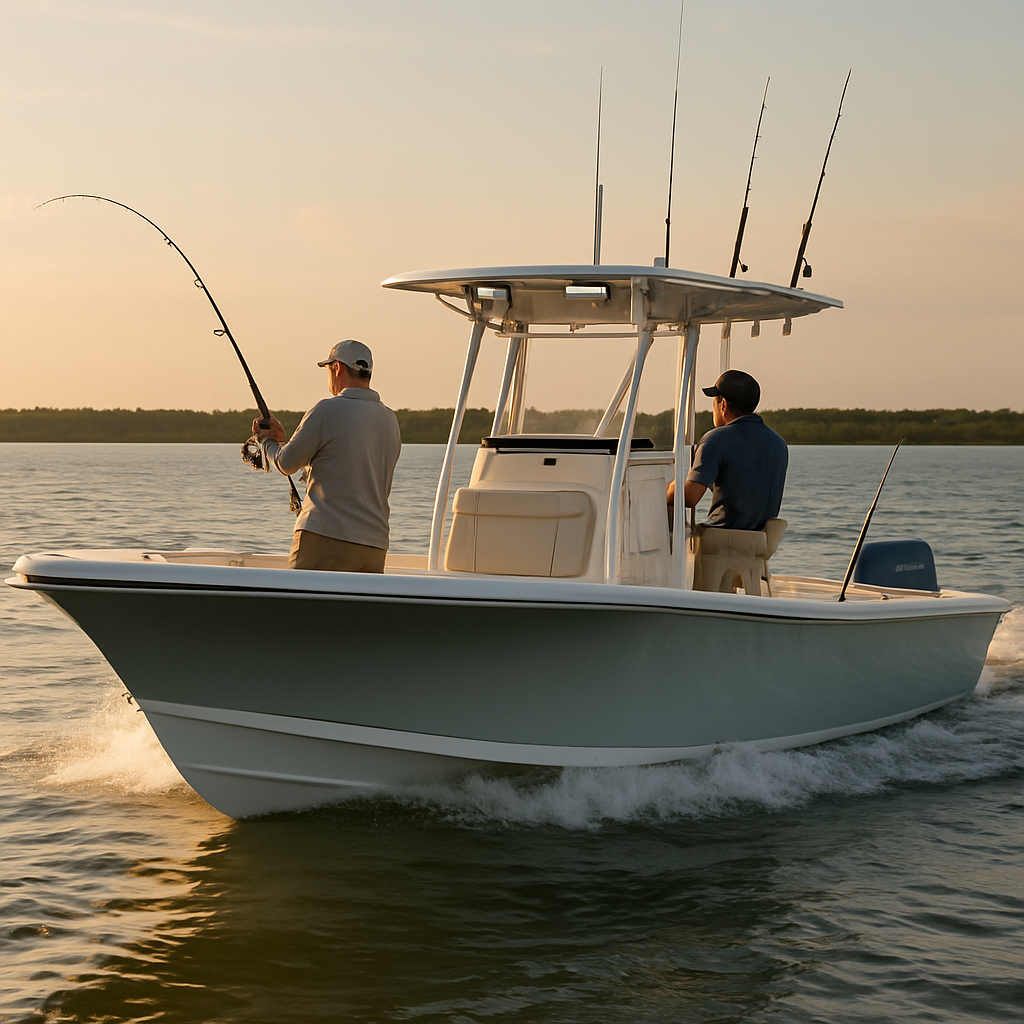
Rod Storage Solutions aren’t one-size-fits-all. The perfect setup depends on what you fish for, where you fish, and how you use your boat. Start by asking a few simple questions: How many rods do you carry? Do you fish offshore where waves and spray are constant? Or are you running flats and need quick access to a couple of rods? The answers shape your decisions—storage for a backcountry skiff looks very different from storage on a 30-foot center console.
Always evaluate three things first: space, accessibility, and protection.
- Space: Map your boat—under seats, behind consoles, overhead, along gunwales, or inside consoles. Measuring twice is key.
- Accessibility: Do you need rods within reach while fighting a fish? If so, gunwale or quick-release racks are best.
- Protection: For travel or overnight storage, closed lockers or tubes prevent UV damage and tip breakage.
Different Rod Storage Solutions include fixed racks, vertical lockers, overhead systems, portable tubes and cases, and custom DIY conversions. Each has pros and cons: fixed racks are fast to access; lockers offer security; tubes protect tips; DIY builds can maximize odd spaces. Think about future growth too—add a 10–25% capacity buffer so you’re not outgrowing your system in one season.
Best Rod Racks for Fishing Boats: Space-Saving Storage Tips
Choosing the best rack comes down to balancing space and ease of use. For most anglers, a mix of solutions works best: quick-access racks for the rods you use all day, and secure lockers for prized or spare outfits.
Top rack styles and when to use them
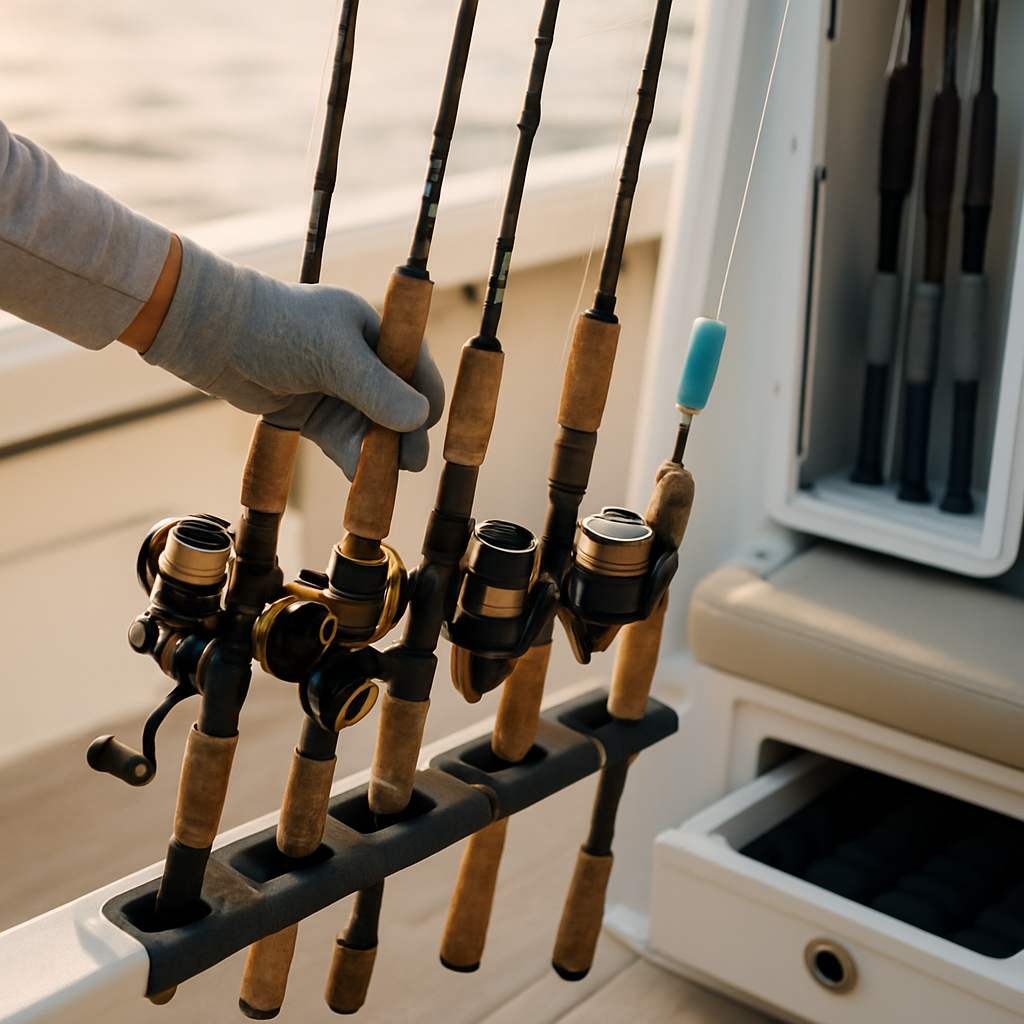
- Gunwale horizontal racks: Ideal for center consoles and bay boats. These keep rods handy and out of the way of the deck. Look for foam cradles or rubber saddles to prevent damage.
- Vertical lockers: Great for overnight trips and offshore runs. These protect rods during rough weather and are often lockable to deter theft.
- Overhead racks: Perfect if you need the deck clear for fighting big fish. They work best on boats with sufficient freeheadroom.
- Under-seat trays: A space-saver on small boats—great for storing extra rods or travel rods out of the way.
- Portable tubes and soft cases: Best when you travel or when sharing boats. They’re flexible and protect rods during transit.
Space-saving tips that actually help
- Group rods by use—keep topwater and light spinning rods in one area, heavy offshore outfits in another. This saves time when choosing gear.
- Offset tips and butts when storing vertically to cram more rods into a narrower space while keeping tips safe.
- Install quick-release straps or magnetic catches for fast access—especially when you’re adrenaline-fishing and every second counts.
- Label positions in multi-rod racks—simple masking tape and a marker help you grab the right rod blindfolded.
How to Organize Rods on Small Boats and Open-Water Vessels
Small boats and big boats demand different approaches. On a flats skiff, space is gold; on a larger offshore vessel, security and vibration resistance are paramount. Let’s run through both.
Small boat strategies (skiffs, jon boats, flats boats)
On small boats every inch counts. You want rods tucked away but accessible.
- Under-seat trays: Build a slide-out tray under the bench seat with foam channels. It keeps rods flat and out of the way—no tangles, no stepping on gear.
- Slim vertical pockets behind consoles: Use the vertical space behind the helm for thin, padded slots that hold rods upright and save floor space.
- Gunwale-mounted low-profile racks: These give quick access without taking usable deck width. Ideal for rods you’ll use often.
- Hinged fold-down racks: When not in use, these fold flat and stay out of the way—handy on boats used for multiple purposes.
Open-water vessel strategies (center consoles, bay boats, offshore boats)
For open-water fishing, think security and durability. The boat will move, spray will hit everything, and the stakes are higher when you lose a rod overboard.
- Locked vertical lockers: Install a secure locker with venting and drainage. It protects rods from theft and weather.
- Overhead aluminum racks: Use padded saddles and strong straps. Keep heavy rods low if possible to lower the center of gravity during rough seas.
- Console-integrated tubes: For fly rods and specialty rods, dedicate lockable tubes inside the console to keep them pristine.
- Use corrosion-resistant fittings: Marine-grade stainless or aluminum and proper sealants reduce maintenance headaches down the line.
Wall-Mounted Rod Racks and Vertical Storage Ideas for ISSU Wildfish Readers
Wall-mounted and vertical racks are brilliant when you need floor space. They work in cabins, garages, trailers—and inside consoles on many boats. Done right, they’ll protect tips and make your gear look organized enough to impress your fishing buddies.
Measurements and layout that matter
Spacing is practical: too close and guides rub; too far and you waste space. Here’s a simple guideline.
- 6–8 inches (15–20 cm) spacing is a good rule for most spinning and baitcasting rods.
- For heavy conventional rods or ones with bigger butts, allow 8–10 inches.
- Place lower supports 6–12 inches above the floor or seat top so reels clear obstacles when pulled out.
- Angle top supports 10–20° to help rods settle into place and to shed water away from reel seats.
Mounting and material tips
- Use backing plates or distribute load if you’re bolting into thin bulkheads—any concentrated force can rip mounts free in rough conditions.
- Choose UV-resistant plastics and closed-cell foam for contact points; they don’t absorb water and won’t rot.
- Line contact areas with soft rubber or foam to prevent abrasions and reduce clatter while cruising.
- Consider removable inserts for seasonal gear swaps—swap fly rod inserts for heavier offshore rod dividers when needed.
Portable Rod Storage: Cases, Bags, and Tackle Locker Conversions
Portable Rod Storage Solutions give you flexibility—handy when you’re renting a boat, flying, or just need to store rods outside the boat. There’s a spectrum from cheap and light to bombproof and bulky.
Case types and quick comparisons
| Type | Best for | Pros | Cons |
|---|---|---|---|
| Hard tube (PVC/composite) | Single heavy rods, travel | Crush-resistant, waterproof | Bulky, one rod per tube |
| Soft padded case | Multiple rods with reels | Lightweight, flexible, stores several rods | Less protection from crushing |
| Locking rod locker | Boat-integrated security | Secure, weatherproof, customizable | Requires installation space and cost |
| Tackle locker conversion | Versatile onboard storage | Customizable, uses existing space | Takes build time and reduces tackle storage |
How to convert a tackle locker into effective rod storage
Converting a locker is a favorite trick—simple, cheap, and efficient. Here’s a practical step-by-step plan:
- Measure the interior and plan for full rod length. Remember reel heights and include 2–3 inches for air circulation.
- Add foam dividers or PVC sleeves to separate rods. Closed-cell foam is best to avoid moisture retention.
- Drill a few small drainage holes and add a vent or desiccant pack to reduce condensation and mildew.
- Secure rods with Velcro straps or elastic bands so nothing rattles loose under way.
Result: A customized, secure compartment that’s perfect for travel rods, backup outfits, or specialty gear.
DIY Rod Storage Hacks for Boat Anglers
If you like tinkering, DIY Rod Storage Solutions can be tailored to weird spaces and oddball rod collections. Here are some projects that deliver big utility for little cost.
1) PVC vertical slot rack (fast and cheap)
Materials: 2–3″ PVC pipe, plywood backer, marine adhesive, foam sleeves. Cut PVC into 12–18″ segments, inset them into a plywood backer, and add foam around openings to protect tips. This gives you a modular, expandable slot rack that’s perfect for a cabin bulkhead or inside a console.
2) Pool noodle tip protectors (brilliantly simple)
Slice pool noodles lengthwise and slide them over rod tips or wrap trimmed sections around individual guides. Zip-tie or Velcro them in place. They’re cheap, buoyant, and do a great job preventing tip damage—especially during transport.
3) Under-seat slide-out rod tray (classy and functional)
Build a tray sized to the seat cavity using marine plywood and heavy-duty slide rails. Cut foam channels to cradle rods and add a latch to keep it closed. This hides gear out of sight, protects it from the elements, and makes rods instantly accessible when you need them.
4) Horizontal PVC gunwale rack with foam saddles
Mount small PVC or molded saddle pieces along the inside gunwale. Add foam pads where the blank rests and a top strap or bungee to secure the rod. This approach is lightweight, easy on the wallet, and surprisingly durable when mounted properly.
Maintenance, Security, and Best Practices
Having solid Rod Storage Solutions is one thing; maintaining them is another. A little care extends rod life dramatically and keeps your boat organized.
- Rinse rods and storage compartments with fresh water after salt trips. Let everything air-dry before long-term stowage.
- Lubricate reel moving parts lightly before storing if they’ll sit for months. Prevents corrosion and stiff drag systems.
- Check mounts, screws, and straps quarterly. Replace corroded hardware immediately—rods are heavy and a failure can be costly.
- Use locks or cable ties for high-value rods when leaving your boat unattended in busy marinas.
- Rotate rods out of long-term storage monthly if possible—this reduces flat spots and keeps line tensions even.
Frequently Asked Questions
Below are the commonly searched questions about Rod Storage Solutions that matter most to anglers and to ISSU Wildfish. Read through these quick answers to solve everyday storage headaches and make smarter gear choices.
How do I choose the best rod storage solution for my boat?
Start with a quick inventory: how many rods you carry, rod lengths, and which ones you use most. Consider the available spaces—gunwales, under seats, console interiors, overhead. If you fish offshore, prioritize locked vertical lockers and corrosion-resistant fittings; for inshore or flats fishing, low-profile horizontal racks or under-seat trays that give you instant access are usually best. Think about adding a small portable case for travel rods—you get flexibility without committing permanent space.
Can I store rods with reels attached?
Yes, you can store rods with reels attached, but be careful. Support the reel seat so the blank isn’t carrying the gear’s full weight, and make sure the line isn’t under tension. For short-term storage during a day trip it’s fine; for long-term storage, remove reels to prevent strain on the blank and to avoid corrosion. If you keep reels on, use padded foam channels or divider sleeves to protect guide rings and reel handles.
How much spacing should I leave between rods?
Plan for roughly 6–8 inches (15–20 cm) between spinning and baitcasting rods; increase to 8–10 inches for heavy conventional rods or those with oversized butts. If reels are attached, measure the widest point and add clearance so handles don’t interfere. Staggering tips and butts also lets you pack more rods into narrow racks while safeguarding tips from contact.
What materials resist saltwater and vibration best?
Marine-grade aluminum and 316 stainless steel are your go-to fastener and bracket choices because they resist corrosion. For contact points, UV-stabilized plastics and closed-cell foam work well—no water absorption and they buffer vibration. Avoid untreated wood on exterior mounts; if you use wood in a cabin or protected locker, seal it thoroughly with marine varnish.
How can I prevent rod tip damage in a crowded rack?
Use individual sleeves, foam tip protectors, or staggered storage to keep tips from colliding. For high-value rods, consider individual tubes or padded cases during transport. If you’re on a budget, pool noodles sliced and zip-tied over tips are cheap and incredibly effective. Regularly inspect guides and tips for nicks and replace protectors as they wear.
What’s the best way to store rods on a small boat?
Maximize vertical and under-seat space. Build a slim vertical pocket behind the console, use under-seat slide-out trays with foam channels, or mount low-profile gunwale racks for quick access. Folding or hinged racks that tuck away are great if you use the boat for other activities. Keep the rods you use most handy, and stow backups or travel rods in soft cases inside the console.
Are vertical lockers better than horizontal racks?
Neither is universally better—they serve different needs. Vertical lockers are superior for secure, overnight storage and protecting rods from weather and theft. Horizontal racks win for fast access during active fishing. The best approach is a mix: keep daily-use rods in quick-access horizontal racks and store spares or high-value rods in locked vertical lockers when you’re away from the dock.
How do I prevent rod theft or loss at the marina?
Locking rod lockers are the simplest deterrent. For rods kept in open racks, use thin cable locks or lockable straps that secure multiple rods to the boat. Label rods with a discreet ID and keep valuable rods in the console overnight. Insurance is another layer—document serial numbers and take photos of high-value gear for claims if needed.
Can I convert a tackle locker into rod storage, and how hard is it?
Absolutely—converting a tackle locker is one of the most practical upgrades. Add foam dividers or PVC sleeves, drill small drainage and vent holes, and secure rods with Velcro straps. It’s low-cost and customizable; just measure carefully for reel heights and add closed-cell foam to avoid moisture trapping. Expect a few hours of work and minimal tools.
What quick DIY fixes work great for protecting rods during transport?
Pool noodles for tip protection, soft padded cases for multiple rods, and wrapped cloth or foam for delicate guides are quick winners. For longer trips, PVC tubes for single rods give superior crush protection. Use zip ties or Velcro to bundle rods neatly so they don’t tangle, and label cases so you can grab the right outfit fast.
How should I care for rods in long-term storage?
Rinse rods with fresh water after salt exposure, dry completely, and remove reels for separate storage with a light lubricant on moving parts. Store rods in a climate-controlled area away from direct sunlight; if that’s not possible, use a breathable cover and rotate rods occasionally to avoid flat spots. Check guides, tips, and reel seats every few months and touch up any corrosion or wear.
How many rods should I plan to carry on a typical day trip?
For most day trips, plan on three to five rods: a light spinning rod for finesse, a medium for general use, a heavier setup for larger baits or structure, plus a topwater or dedicated jigging rod if you target specific species. Fewer rods mean less clutter and quicker decisions—only bring what you’ll actually use and stash the rest securely in a locker or case.
Final Recommendations from ISSU Wildfish
Rod Storage Solutions should be practical, durable, and matched to your fishing style. If you value quick access while casting, prioritize low-profile horizontal racks or gunwale mounts. If you spend nights offshore or leave gear aboard for long stretches, invest in lockable vertical lockers or console tubes. DIY options are fantastic for oddball spaces and budget builds, while portable cases are best for travel and shared rigs.
Start small: measure your boat, list the rods you need immediate access to, and decide which ones can be stowed away. Combining one or two fixed solutions with portable or locked storage gives the most flexibility. And remember—rod protection beats convenience if you only get one chance to land a trophy. Keep those blanks happy, secure your mounts, and get back to fishing.
If you want, I can suggest a shopping list for specific boat types (skiff, center-console, or bay boat) or sketch a simple DIY plan tuned to your measurements. Just tell me what you have and what you fish for—let’s make your Rod Storage Solutions work as hard as you do on the water.