Hook, Line, and Tech: How Essential Boat Electronics Turn Your Next Trip Into a Killer Catch
Introduction
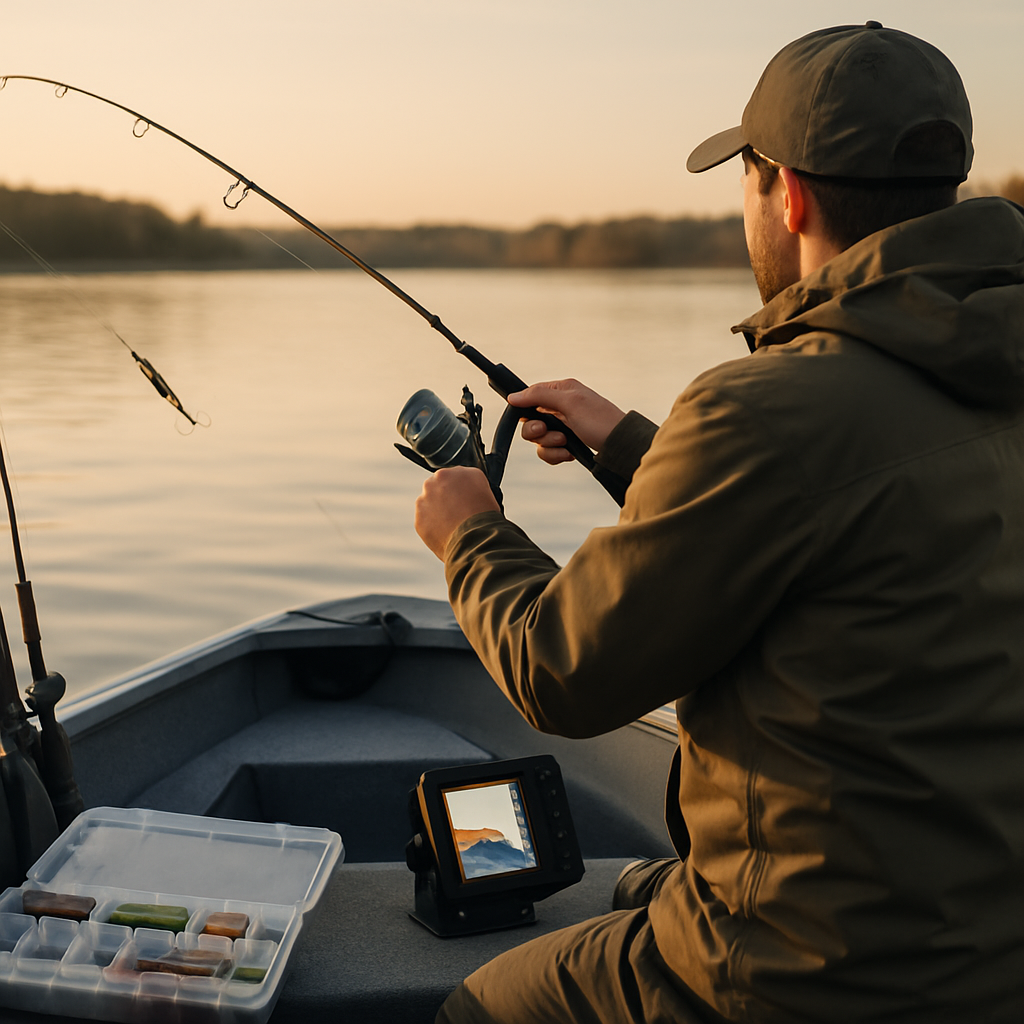
Du love being on the water. Du love the quiet, the feel of the rod in your hand, the anticipation when the little red bobber twitches. But let’s be honest: a lot of great days start with a bit of tech. Essential Boat Electronics aren’t about turning fishing into robots-and-screens; they’re about giving Du better information so Du can spend more time catching and less time guessing. This guide walks Du through what matters, why it matters, and how to make choices that fit your boat, budget, and favorite fishing spots.
Looking beyond individual gadgets can be helpful, and sometimes Du want a full roundup that covers everything from anchors to zippers—figuratively speaking. If Du’re building your outfit for the water, take a look at our comprehensive Essential Boat Equipment overview, which ties electronics into storage, safety, and small upgrades that make life easier on the boat. This broader perspective helps Du see how your sonar or chartplotter fits into the whole setup.
Trolling motors often get overlooked when anglers focus on sonar and displays, but they’re the silent workhorses that keep Du in the strike zone. If Du depend on quiet, precise positioning, check the recommendations for Reliable Trolling Motors and how they pair with battery systems and shallow-water transducers. Choosing the right motor can reduce battery strain and improve how your electronics perform during long days on the water.
Safety is non-negotiable, and packing the right emergency gear goes hand-in-hand with your electronic systems. Before Du leave the dock, review a simple Safety Equipment Checklist to make sure your VHF, PLB, life jackets, and spare fuses are all in order. Combining electronic redundancy with a physical checklist dramatically raises your chances of handling unexpected situations without a lot of stress.
Navigation and Communication Essentials for Fishing Boats
Getting lost is no fun. Running into trouble is worse. Navigation and communication electronics are the foundation of safe, confident trips. They keep Du on course, warn Du about hazards, and let Du call for help when Du need it. These are the devices Du’ll thank yourself for when the fog rolls in or Du’re racing back from a long run.
GPS and Chartplotters
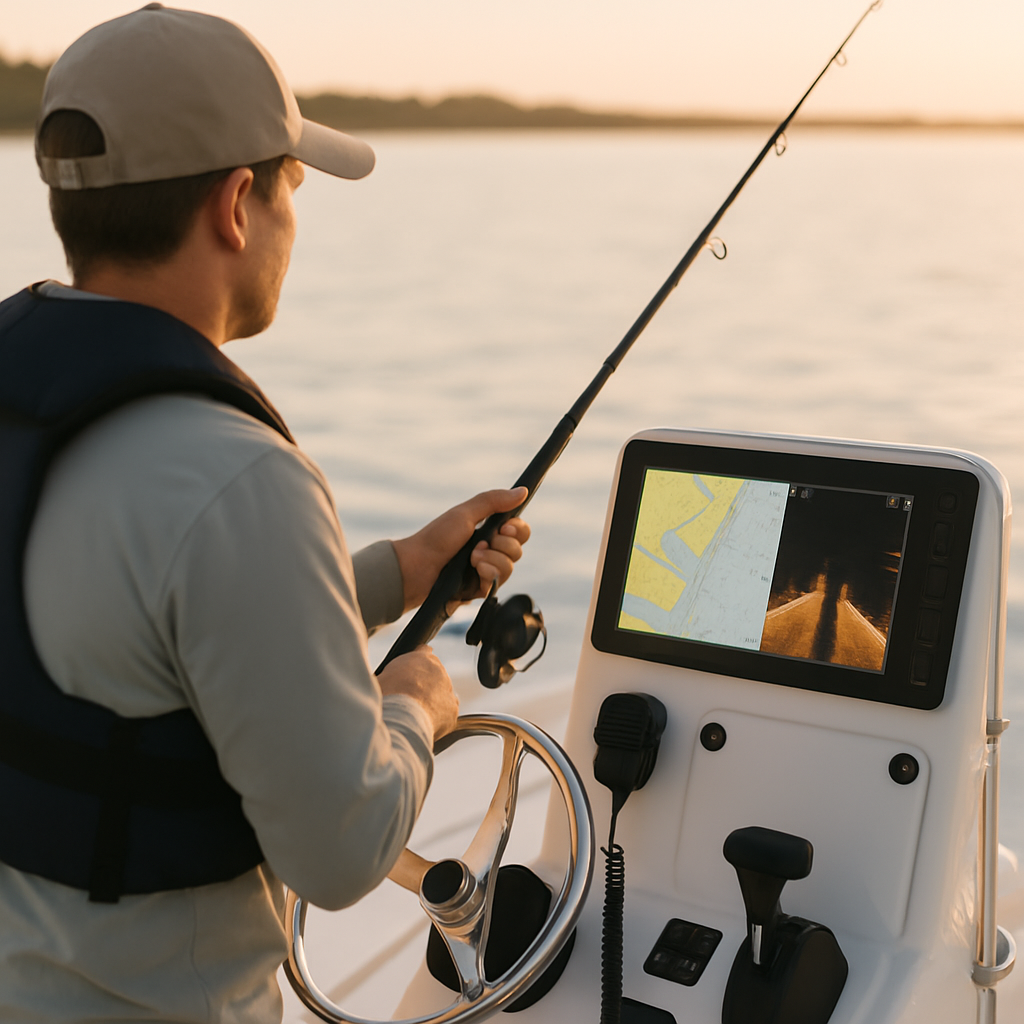
A modern chartplotter is the cockpit brain. It shows your position, stores waypoints, traces routes, and often integrates sonar and radar. When shopping, prioritize a unit with high sensitivity (quick satellite fixes), good screen brightness for sunny days, and support for detailed charts. If Du like split-screen views—sonar on one side, charts on the other—go for a 9” or larger display.
VHF Radio and Communication
VHF radios are the maritime equivalent of a lifeline. For most anglers, a fixed-mount VHF with DSC (Digital Selective Calling) will cover your needs. DSC lets Du send your GPS position with an emergency call—crucial offshore. Keep a waterproof handheld VHF as a backup. Want to go farther off the grid? Add a satellite messenger or PLB for two-way texting and SOS signaling.
Backup & Redundancy
Here’s a little secret: electronics fail. Batteries die. An update bricked a device. Always carry redundancy. A handheld GPS, a paper chart (yes, paper), a magnetic compass, and a backup radio are cheap insurance. For offshore trips, a PLB or satellite communicator isn’t optional—it’s peace of mind.
Choosing the Right Fish Finder and GPS for Your Setup
Fish finders and GPS units are the most-used gadgets on many boats. They show Du fish, structure, and how to get back to the hot spot. But there’s no one-size-fits-all. Pick gear that matches how Du fish: shallow lake bass, inshore flats, or bluewater offshore runs.
Key Fish Finder Technologies
Not all sonar is created equal. Here’s what to look for:
- CHIRP Sonar: Sweeps a band of frequencies for better target separation. Du’ll see clearer arches and less clutter.
- Down Imaging: High-resolution pictures below your boat—great for locating fish-holding structure.
- Side Imaging: Scans wide areas to the sides, useful for spotting ledges and baitfish without driving over them.
- Live/Real-Time Sonar: Gives real-time movement—gold for jigging, spotting bait, or seeing how fish react to your bait.
Screen Size and Resolution
If Du split-screen a lot, go big. A cluttered 7″ display becomes hard to read. Brightness and pixel density matter in direct sun. But don’t overdo it; larger screens cost more and can dominate a small console. Balance your dash space with functionality.
Integration and Networking
A single display that shows sonar, radar, AIS, engine data, and autopilot control is convenient. NMEA 2000 and Ethernet networking let devices share data seamlessly. If Du plan to expand over time—add radar, AIS, or a second display—buy a platform that supports networking from the start.
Selecting Based on Fishing Type
Your fishing style should drive the choice. Here’s a quick breakdown:
- Bass/Inshore: High-res side and down imaging, quick refresh rates.
- Offshore: Deep-water CHIRP with low-frequency capability, plus live sonar if Du target moving pelagics.
- Small lakes/ice: Portable, sensitive 2D units with accurate depth readings.
Power Management: Batteries, Inverters, and Safety on the Water
Du can have the best gadgets in the world, but if your power system is a mess, Du’ll be stranded with a dark screen. Good power planning makes the gear reliable and the day less stressful. Let’s break it down.
Batteries: Types and Sizing
Battery tech has improved a lot. Options include flooded lead-acid, AGM, and lithium (LiFePO4). Each has pros and cons:
- Flooded Lead-Acid (FLA): Cheap but heavy and maintenance-heavy.
- AGM: Maintenance-free, good deep-cycle performance for trolling motors and electronics.
- Lithium (LiFePO4): Lightweight, long-lasting, deep discharge friendly—best performance but higher upfront cost.
Size your battery bank by calculating total amp-hour draw: sonar, GPS, livewell pumps, lights, and trolling motors. Always add a 20–30% safety margin—unexpectedly long runs and heavy use happen more than Du’d think.
Charging and Battery Management
Smart chargers and correct alternator setups matter. A battery isolator or automatic charging relay (ACR) protects your starting battery from being drained by house loads. If Du use lithium, use DC-to-DC chargers or alternator regulators designed for lithium profiles—mixing chargers can damage batteries and shorten lifespans.
Inverters and Alternators
Want to run AC chargers for camera batteries or a kettle (yes, some anglers do)? Use an inverter sized for your peak load; a 300–2000 W range covers most boating needs. For repeated heavy charging, a large output alternator and smart charging setup are essential to keep batteries healthy.
Safety: Fuses, Breakers, and Wiring
Marine electrical safety isn’t optional. Use properly rated fuses or circuit breakers, marine-grade wire, and corrosion-resistant terminals. Keep wiring tidy, labeled, and protected. Install a battery shutoff switch and ensure essential systems like bilge pumps are on dedicated circuits.
Marine Radar, AIS, and Other Electronics for Safe, Successful Trips
Beyond GPS and sonar, several other systems boost safety and situational awareness—especially if Du fish in busy channels, at night, or in fog. They also help Du find feeding areas and avoid nasty surprises.
Marine Radar
Modern radars are lighter, draw less power, and offer better close-range detection than older units. Use radar for night runs, fog, and spotting rain squalls. If Du often run in low visibility, radar is worth the investment.
AIS (Automatic Identification System)
AIS shows nearby vessels’ positions, speed, and direction. For anglers working near shipping lanes or ferry routes, AIS is a game changer. Integrate AIS into your chartplotter to get CPA (closest point of approach) alerts and avoid collisions.
Autopilot and Engine Integration
An autopilot can hold a course while Du tweak tackle or nap for five minutes—especially useful during long troll sessions. When paired with engine data, autopilot systems can optimize fuel use and provide diagnostics. Not glamorous, but incredibly handy.
Weather and Satellite Services
Real-time weather updates can be lifesaving. Chartplotter-integrated weather, NEXRAD overlays, and marine forecasts help Du avoid thunderstorms or heavy seas. Offshore, a satellite communicator like inReach gives two-way messaging and SOS—sometimes the difference between a long night and rescue.
Saltwater vs Freshwater Electronics: What ISSU Wildfish Recommends
Saltwater is harder on gear. The same unit that lives forever on your lake boat might corrode quickly on a center console running offshore. Here’s how to tailor choices to the environment.
Construction and Corrosion Resistance
For saltwater, choose sealed units with high IP ratings (IPX7 or IP67). Look for gold-plated or tinned contacts, stainless hardware, and marine-grade connectors. Use dielectric grease on exposed connections and consider sacrificial anodes to protect through-hull fittings.
Transducer Selection and Mounting
Saltwater often means deeper water and rougher seas. Select transducers rated for deep CHIRP and consider thru-hull mounts for cleaner readings at speed. On small freshwater boats, transom or transducer-in-hull mounts tuned for shallow angles work better.
Power Demands and Battery Choices
Offshore trips typically require more power—radar, large displays, and refrigeration add up. LiFePO4 batteries with high-output alternators are a smart choice for heavy users. For casual freshwater anglers, quality AGM or FLA batteries will often do the job if managed properly.
Recommended Protective Practices
- Rinse gear with fresh water after saltwater trips.
- Cover and shade displays to prevent UV damage.
- Seal and protect unused ports with girth or plastic caps.
- Inspect connections frequently for green corrosion or pitting.
Recommended Electronics Packages by Boat Type
Here’s a simple way to think about gear packages so Du don’t overbuy or underspec.
Small Bass/Skiff (14–18 ft)
- 7–9″ combo chartplotter + CHIRP with down imaging
- Handheld VHF and lightweight battery setup
- Small lithium or AGM for trolling motor
- Portable sonar options for easy storage and sharing between boats
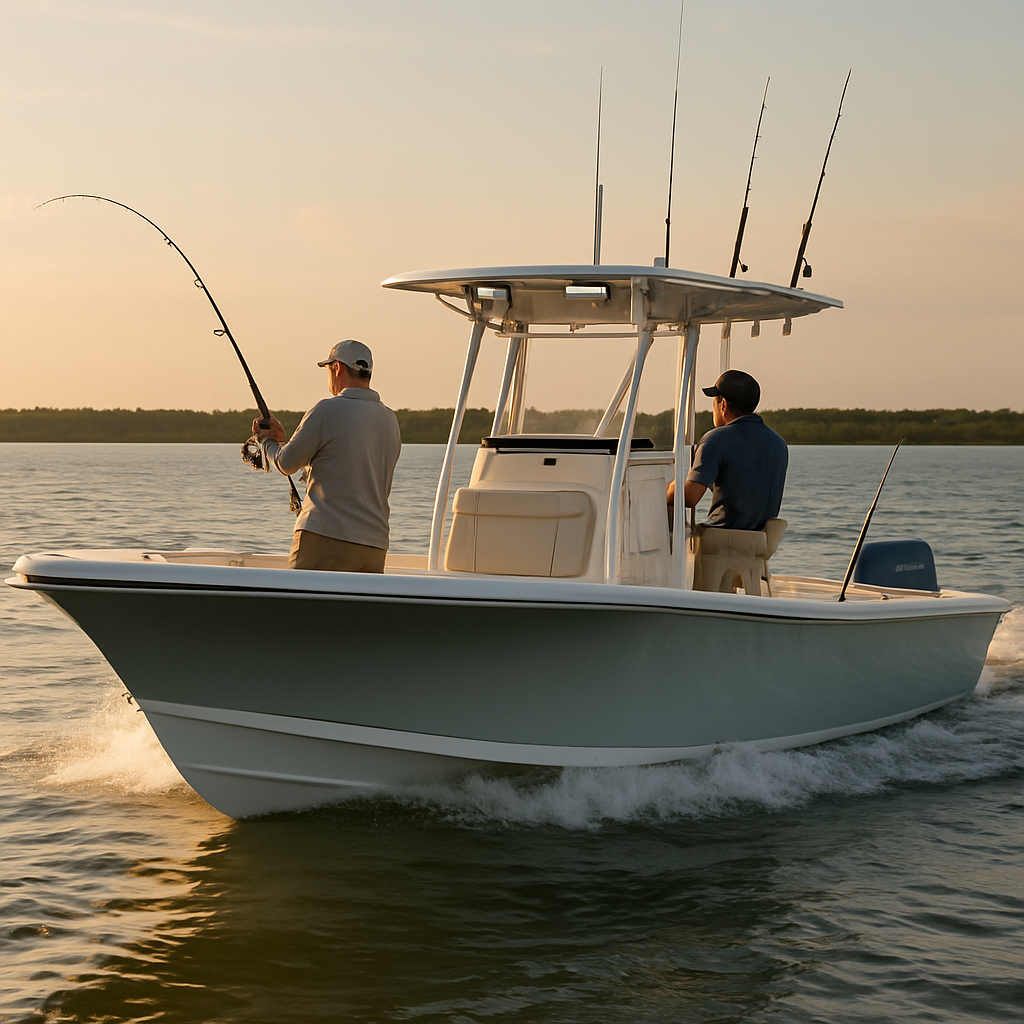
Center Console Inshore (18–26 ft)
- 9–12″ networked chartplotter with side and down imaging
- Fixed VHF with DSC and AIS receiver/transponder
- Dual battery setup with ACR and smart charging
- Optional compact radar for night and fog
Offshore Sportfisher (26+ ft)
- Large multi-display network, advanced radar, and live sonar
- AIS transponder, satellite communicator, and robust autopilot
- LiFePO4 battery bank, DC-DC charger, high-output alternator
- Redundant systems for safety and long-range reliability
Installation and Maintenance Best Practices
Good gear poorly installed behaves like bad gear. Du want clean installs, protected connectors, and a system Du understand. Do it right once and Du’ll avoid headaches later.
Mounting and Ventilation
Place displays where line of sight is natural and glare is minimal. Flush installations look tidy but need ventilation—overheating shortens electronics’ lives. Use marine-rated sealants and gaskets to keep water out.
Wiring and Connectors
Run power cables separately from signal wires when possible to avoid interference. Use appropriate wire gauge—undersized wire equals voltage drop and performance loss. Label both ends of every cable. Trust me: Du’ll save time when troubleshooting.
Firmware and Software Updates
Manufacturers push updates that fix bugs and improve performance. Back up settings and waypoints, then update before leaving on a major trip. Don’t update mid-trip unless Du love surprises.
Seasonal Care
At season’s end, clean connectors, check battery water levels (if applicable), and run a full systems check. For saltwater boats, rinse exposed gear and reapply protective grease to contacts.
Quick Checklist: Essential Electronics and Accessories
- Chartplotter with GPS and adequate screen size
- Fish finder with CHIRP and down/side imaging
- Fixed VHF with DSC and a waterproof handheld backup
- Reliable battery bank, isolator/ACR, and smart charging
- Battery switch, properly rated fuses, and marine-grade wiring
- Transducer(s) matched to boat and fishing depth
- AIS receiver/transponder for busy or commercial waters
- Radar for offshore or low-visibility navigation
- Emergency comms: PLB, satellite messenger, or inReach
- Spare fuses, spare cables, basic tools, and a wiring diagram
Comparison Table: Feature Priorities by Fishing Style
| Fishing Style | Top Electronics | Power Recommendation |
|---|---|---|
| Bass / Inshore | Side & Down Imaging, Portable GPS | Single AGM or small lithium |
| Flats / Shallow Water | High-res side imaging, shallow transducer | Dual battery with ACR |
| Offshore | Radar, AIS, Live Sonar, Multi-display | Large LiFePO4 bank, DC-DC charger |
Common Mistakes to Avoid
- Under-sizing your battery bank—assume worst-case draw.
- Mixing battery chemistries on the same bank (never mix lithium with lead-acid).
- Using cheap connectors or ignoring corrosion protection.
- Failing to update charts and firmware—outdated maps can get Du into trouble.
- Skipping redundancy for safety-critical devices.
Conclusion
Essential Boat Electronics transform how Du fish. They don’t replace skill, instinct, or patience—but they give Du an edge. Start with a reliable chartplotter and good sonar, build a solid power system, and add safety and situational-awareness tools as your needs grow. Take care of your gear, and it will take care of Du. Go fishing smarter—spend less time guessing and more time reeling in memories.
FAQ: Common Questions About Essential Boat Electronics
Q: What exactly are “Essential Boat Electronics” for anglers?
Essential Boat Electronics are the core devices that help Du navigate, locate fish, and stay safe on the water. They typically include a chartplotter/GPS, fish finder with CHIRP and imaging, VHF radio, a reliable battery/charging system, and basic safety electronics like AIS and radar when appropriate. These tools work together so Du can spend more time fishing and less time guessing about where the fish or hazards are.
Q: Do Du need radar on a small fishing boat?
Radar isn’t necessary for every small boat, especially if Du fish only in clear daylight on calm inland waters. However, if Du often run at night, in fog, or travel through busy channels, compact solid-state radar adds a layer of safety that can be invaluable. Radar helps Du spot other boats, landmasses, and storm cells beyond visual range.
Q: How do Du choose the right fish finder?
Match features to your fishing style. For shallow inshore and bass fishing, prioritize high-resolution side and down imaging and fast refresh rates. For offshore deep-water work, look for CHIRP capabilities with lower frequencies and live sonar options. Also consider screen size, network compatibility (NMEA 2000/Ethernet), and transducer type—these influence performance more than brand alone.
Q: What’s the best battery type for boating electronics and trolling motors?
Lithium (LiFePO4) batteries offer the best performance in terms of weight, cycle life, and usable capacity, and they recharge faster—but they cost more up front. AGM batteries are a solid middle ground for many anglers who want maintenance-free operation without the high price. Flooded lead-acid is the cheapest but needs maintenance and is heavier. Consider Du’s usage patterns and budget when deciding.
Q: Can Du install fish finders and electronics yourself?
Yes, many anglers install basic combo units and transom-mounted transducers themselves. However, thru-hull transducers, complex NMEA networks, radar mounts, and lithium battery systems often benefit from professional installation to ensure proper placement, wiring, and waterproof seals. If Du have decent DIY skills and follow manufacturer instructions carefully, a lot can be done at home.
Q: How should Du protect electronics in saltwater environments?
Saltwater is corrosive. Use sealed, marine-rated electronics with high IP ratings, apply dielectric grease to exposed contacts, rinse gear with fresh water after trips, and use tinned or gold-plated connectors. Cover displays when not in use and inspect connections regularly. Small, consistent maintenance prevents a lot of premature failures.
Q: How much should Du budget for a reliable electronics setup?
Costs vary widely. A basic, solid setup for a small bass boat (7–9″ combo, VHF, basic battery) might run a few hundred to a couple thousand dollars. A fully networked offshore rig with large displays, radar, AIS, satellite comms, and LiFePO4 batteries can range from several thousand to tens of thousands. Plan around Du’s priorities: start with essentials and add features as needed.
Q: What safety electronics should Du never skip?
At minimum: a VHF radio (fixed with DSC and a handheld backup), a reliable GPS/chartplotter, properly sized batteries with an isolator or ACR, and a PLB or satellite communicator for offshore trips. AIS and radar are invaluable in busy or low-visibility conditions. Combine electronics with physical safety gear—life jackets, flares, and a well-practiced emergency plan.
Q: How often should Du update charts and firmware?
Update charts and firmware at least annually, and before any major trip. Manufacturers issue updates for accuracy, new features, and bug fixes. Always back up settings and waypoints before updating, and avoid updating right before a big outing unless necessary.
Q: Which electronics does ISSU Wildfish recommend for beginners?
ISSU Wildfish recommends starting with a reliable chartplotter/GPS and a CHIRP-enabled fish finder with down imaging. Add a fixed VHF (with a handheld backup) and a solid battery setup with an ACR. From there, consider a trolling motor matched to your boat and, eventually, AIS or compact radar if Du expand operations or fish in busy waters.